









What's Happening?
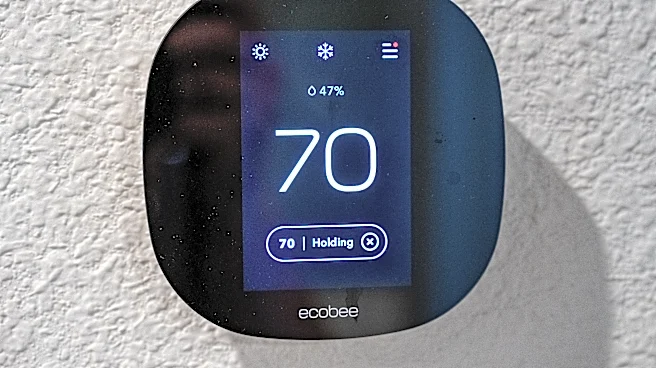
IMPACT Community Action Partnership, a nonprofit organization in central Iowa, is facing challenges in providing emergency cooling assistance as the heat index reaches triple digits. The organization aims to support low-income individuals and families
by offering resources such as food and housing assistance, but the demand for cooling aid has surged due to extreme temperatures. Federal funding for these services is dwindling, exacerbating the situation. In response, IMPACT has partnered with the Des Moines Fire Department to request donations of air conditioners and fans, which can be dropped off at any of the 11 fire stations in the Des Moines metro area. Paula Arkema, IMPACT's Health and Energy Coordinator, highlighted the increasing demand for assistance as the cost of living rises, making it difficult for many to afford basic cooling equipment.
Why It's Important?
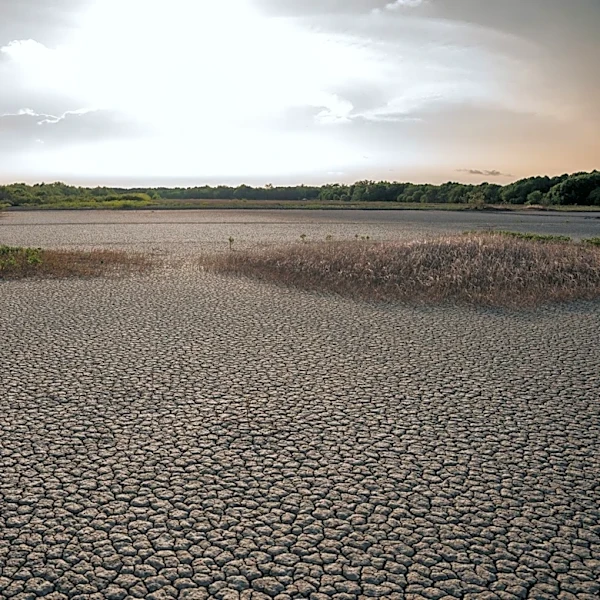
The situation underscores the vulnerability of low-income populations during extreme weather conditions, particularly as climate change leads to more frequent and severe heatwaves. The lack of adequate cooling resources can pose serious health risks, including heat-related illnesses and even death. This issue also highlights the broader challenge of resource allocation and the need for sustainable funding to support essential services for disadvantaged communities. The partnership between IMPACT and the Des Moines Fire Department exemplifies community efforts to address these urgent needs, but it also points to the limitations of relying on donations and temporary solutions.
What's Next?
IMPACT plans to continue monitoring the situation and may direct individuals to local cooling centers if donations fall short. The extreme heat warning in central Iowa is expected to persist through the end of the week, necessitating ongoing efforts to provide relief. The organization will likely need to explore additional partnerships and funding sources to sustain its services in the long term. The situation may also prompt discussions among policymakers and community leaders about the need for more robust infrastructure and support systems to protect vulnerable populations from the impacts of climate change.