




What's Happening?
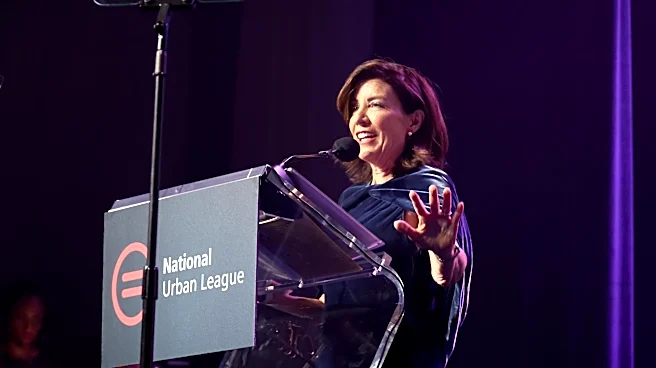
The Urban Civil Rights Museum in Harlem is set to open, aiming to be more than just a historical repository. According to Marc H. Morial, President and CEO of the National Urban League, the museum's primary purpose is not merely to preserve history but
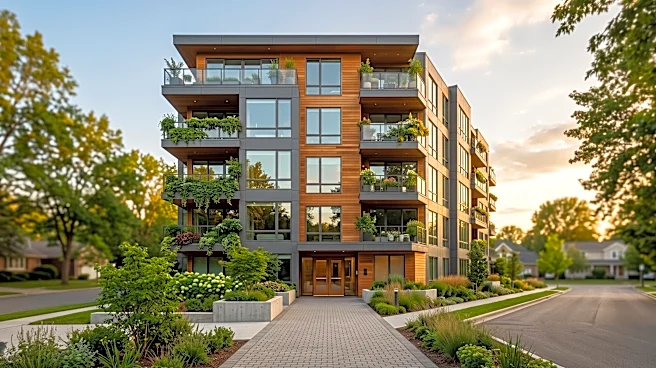
to serve as a bridge between generations and a catalyst for civic engagement. It is designed to inspire a new generation of citizens to strengthen democracy and advance justice. The museum is part of the Urban League Empowerment Center, a development that combines historical preservation with opportunities for the community. This center also includes affordable housing, community organizations, retail businesses, and the National Urban League's headquarters. The museum seeks to remind visitors that ordinary people have always been the driving force behind extraordinary change, encouraging them to become creators of the American story rather than just spectators.
Why It's Important?
This initiative holds significant importance for U.S. society, particularly in fostering civic participation and addressing ongoing social justice issues. By framing the civil rights movement as an unfinished process, the museum challenges the notion that these struggles are confined to the past. It aims to connect historical lessons with contemporary challenges, such as economic opportunity, affordable housing, quality education, and democratic participation. This approach can empower individuals, especially young people, to engage actively in their communities and advocate for change. The integration of the museum within the Urban League Empowerment Center, which includes affordable housing and community resources, underscores the belief that civil rights are intrinsically linked to tangible opportunities and community well-being. This holistic approach can serve as a model for other communities seeking to combine cultural preservation with social and economic development.
What's Next?
The opening of the Urban Civil Rights Museum is expected to draw visitors and engage the community in discussions about civil rights and civic responsibility. The museum's focus on inspiring action suggests that it will likely host educational programs, workshops, and events aimed at fostering civic engagement among diverse audiences. Potential reactions from political leaders, businesses, and civil society groups could include partnerships to expand the museum's reach or replicate its model in other areas. The museum's role as a catalyst for civic engagement implies ongoing efforts to connect historical narratives with current social and political issues, encouraging visitors to participate in voting, advocacy, and community organizing. The success of this model could influence how other cultural institutions approach historical preservation and community development.
Beyond the Headlines
The Urban Civil Rights Museum in Harlem represents a profound shift in how historical institutions can engage with contemporary society. By explicitly stating that the struggle for civil rights is not over, the museum challenges a common perception that these issues are resolved. This perspective encourages a critical examination of current societal structures and inequalities. The museum's location in Harlem, a historical center of Black political thought and cultural innovation, adds another layer of significance, connecting its mission directly to a legacy of activism and community building. The integration of the museum with affordable housing and economic development within the Empowerment Center highlights the interconnectedness of civil rights with economic justice and social equity. This approach suggests a long-term vision where cultural institutions are not just places of reflection but active agents in shaping a more just and equitable future, addressing ethical and cultural dimensions of ongoing struggles for equality.