



What's Happening?
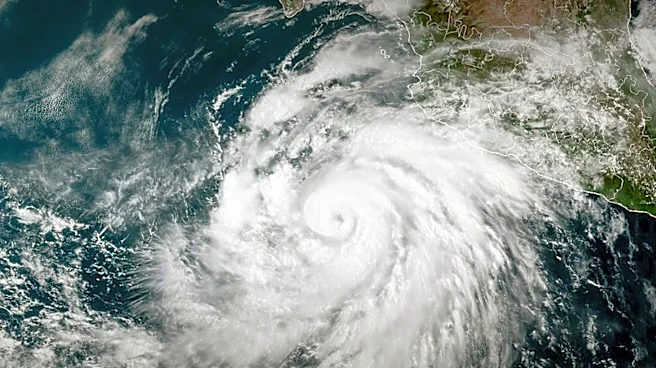
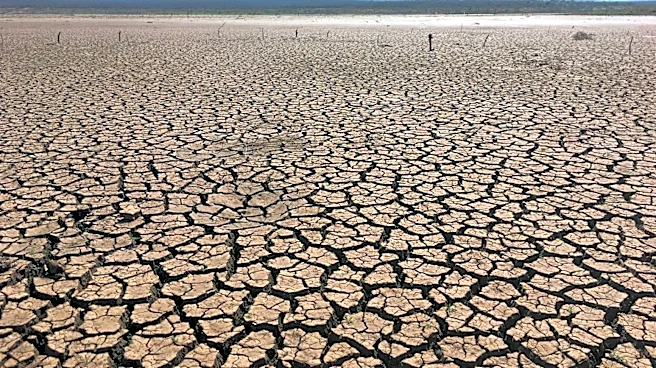
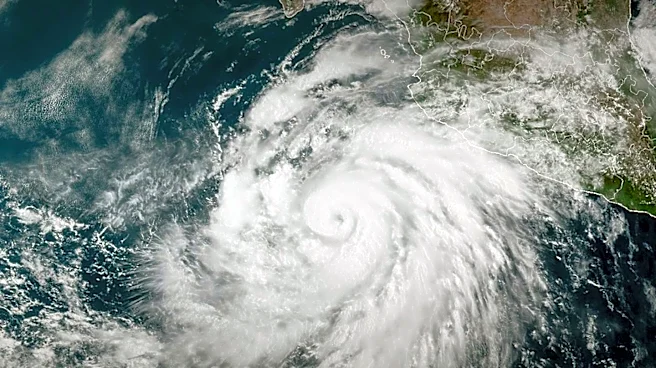
A potentially record-breaking El Niño event is raising alarms about global food security. Scientists predict this El Niño could be the strongest on record, with a 90% probability of surpassing the devastating 1877 event. This phenomenon is expected to
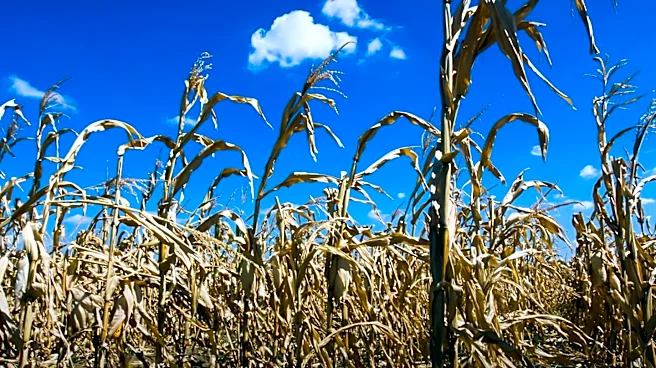
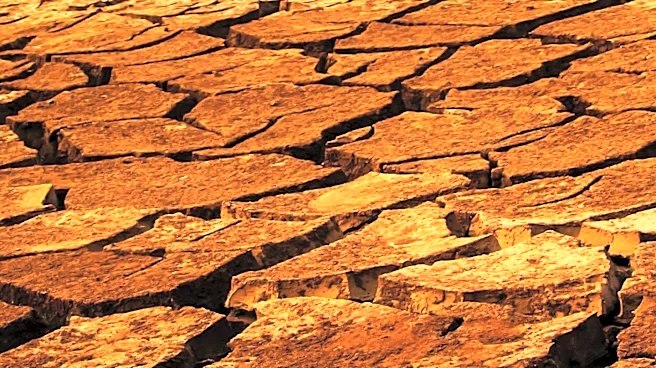
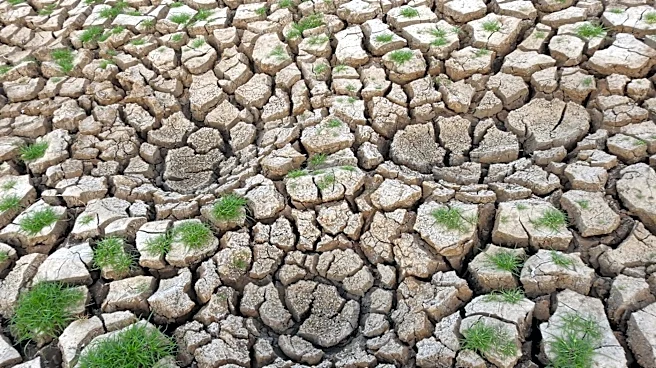
exacerbate droughts, food shortages, and geopolitical tensions worldwide. The 1877 El Niño led to severe droughts and famines, causing over 50 million deaths. Modern conflicts and economic shocks have already reversed the century-long decline in global starvation deaths, and the current global aid system is facing unprecedented cuts, further complicating the situation.
Why It's Important?
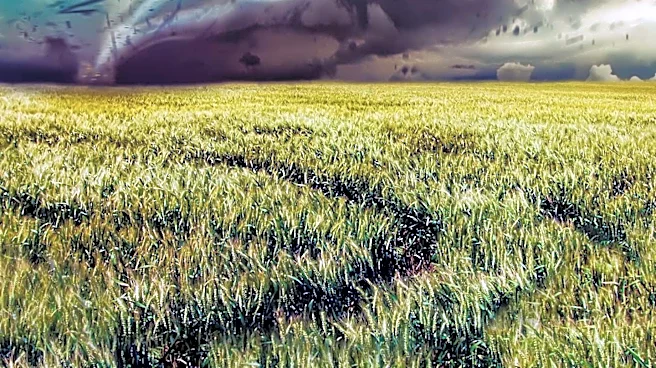
The potential impact of this El Niño is significant, as it could severely disrupt agricultural production and food supply chains. Countries already facing high food insecurity and disease risks may experience amplified challenges. The reduction in global aid, including cuts to USAid, could lead to millions of additional deaths by 2030. The El Niño event acts as a 'threat multiplier,' worsening existing geopolitical instability and resource competition. This could lead to increased food inflation and diplomatic tensions, particularly in regions heavily reliant on imports.
What's Next?
As the El Niño event progresses, monitoring and response efforts will be crucial. Governments and international organizations may need to enhance early warning systems and disaster preparedness to mitigate the impacts. The global community will likely focus on strengthening food security measures and addressing the underlying causes of vulnerability, such as climate change and conflict. The situation calls for coordinated international efforts to support affected regions and prevent a large-scale humanitarian crisis.