





What's Happening?
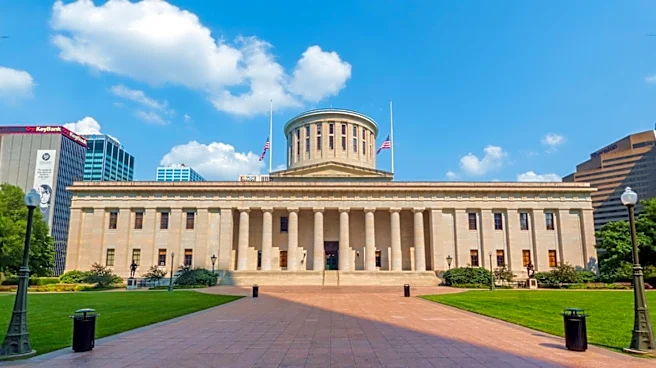
Ohio State Representatives Tristan Rader (D) and David Thomas (R) have introduced bipartisan legislation, the Ohio Power Outage Relief Act, aimed at compensating customers of electric utility companies, such as FirstEnergy, for qualifying prolonged and repeated
power outages. This initiative follows a series of significant outages in Lakewood, Ohio, particularly during the summer, which left many residents without power for extended periods. The proposed bill mandates automatic residential bill credits of $50 or the customer's monthly utility charge, whichever is greater, once an outage meets specific criteria. An additional credit of the same amount would apply for each subsequent 24 hours without service. The legislation defines prolonged outages as those lasting over 16 hours under normal conditions, 36 hours under 'gray-sky' conditions, or 72 hours during catastrophic events. Customers would also qualify for compensation after six sustained interruptions within a 12-month period. Furthermore, the bill includes provisions for reimbursing customers for spoiled food and medication, with self-certified losses up to $250 and documented losses up to $600, and potentially more for refrigerated prescription medication. The Public Utilities Commission of Ohio (PUCO) and various elected officials have attributed the blame for these outages directly to FirstEnergy.
Why It's Important?
This proposed legislation is significant as it seeks to shift the financial burden of power outages from consumers to utility companies, holding them accountable for service disruptions. Currently, residents like Lucas Yousko in Lakewood have resorted to purchasing generators due to frequent outages, incurring additional costs and potential safety risks if not installed correctly. The bill's provision preventing utility companies from passing the cost of credits and reimbursements onto customers is crucial, aiming to ensure that companies absorb these expenses rather than recouping them through rate hikes. This could incentivize utility providers like FirstEnergy, which reportedly made over a billion dollars in profits last year, to invest more in grid reliability and maintenance. The bipartisan nature of the bill suggests a broad recognition of the problem and a collective desire to protect consumers. If passed, it could set a precedent for other states facing similar issues with utility performance and customer compensation, potentially influencing industry standards for service reliability and accountability across the U.S. The measure also highlights the growing strain on the electrical grid and the need for robust infrastructure to handle increasing demand and extreme weather events.
What's Next?
The Ohio Power Outage Relief Act has not yet been assigned an Ohio House number or referred to a committee, indicating it is in the early stages of the legislative process. The next steps will involve committee hearings, where lawmakers will debate the bill's provisions, potentially amend it, and gather input from stakeholders, including utility companies, consumer advocacy groups, and the Public Utilities Commission of Ohio. FirstEnergy has been contacted for comment on the proposed legislation, and their response will be a key factor in the public and legislative discourse. If the bill progresses, it will need to pass both chambers of the Ohio General Assembly and be signed into law by the Governor. The implementation of such a law would require utility companies to establish clear processes for tracking outages, issuing credits, and processing reimbursement claims, potentially leading to operational adjustments and increased oversight from regulatory bodies like the PUCO. The ultimate goal, according to supporters, is to compel utility companies to invest a portion of their profits into improving infrastructure and ensuring consistent power delivery.
Beyond the Headlines
Beyond the immediate financial relief for consumers, this legislation touches upon deeper issues concerning the social contract between utility providers and the public they serve. The repeated power outages, particularly during extreme weather, underscore vulnerabilities in critical infrastructure and raise questions about the long-term resilience of the U.S. electrical grid. The increased reliance on personal generators, as seen in Lakewood, highlights a growing distrust in utility services and places an additional burden on households, including safety concerns related to improper installation and carbon monoxide poisoning. This bill could spark a broader conversation about energy policy, infrastructure investment, and regulatory oversight, especially in the context of climate change and increasing energy demands. It also brings to light the ethical responsibility of profitable corporations to provide reliable essential services, rather than prioritizing shareholder returns over customer well-being. The outcome of this bill could influence how states balance consumer protection with the financial interests of utility companies, potentially leading to more stringent regulations and greater accountability across the energy sector.