


What's Happening?
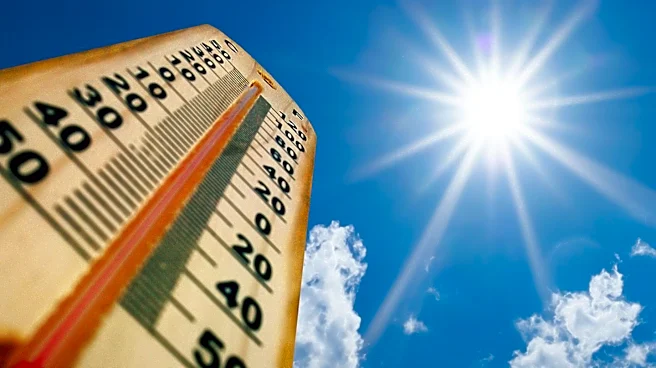
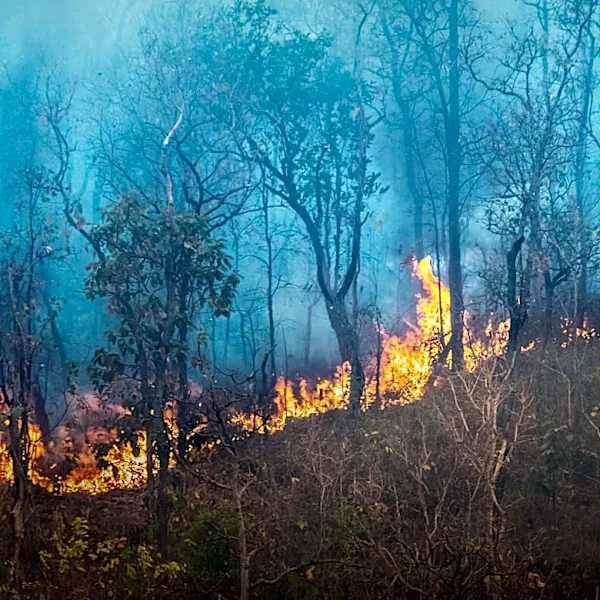
Western Europe recorded its hottest June on record in 2026, with temperatures driven by unprecedented sea surface heat. The heatwave extended into July, affecting large parts of Europe and fueling wildfires in France and the Iberian Peninsula. In Barcelona,
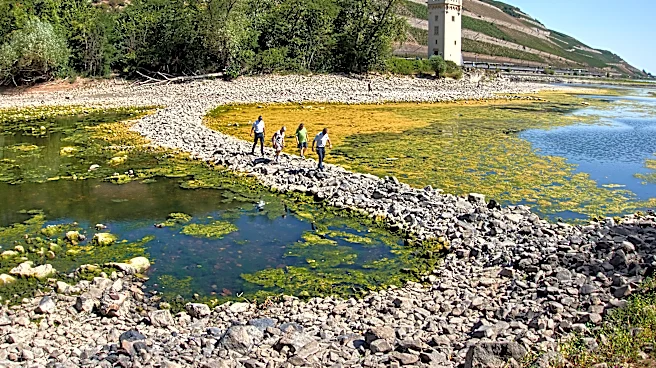
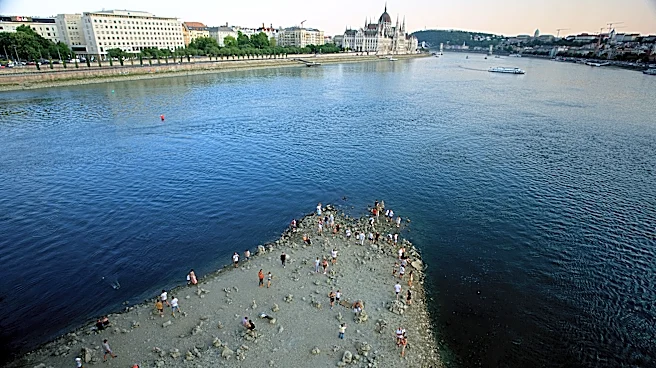
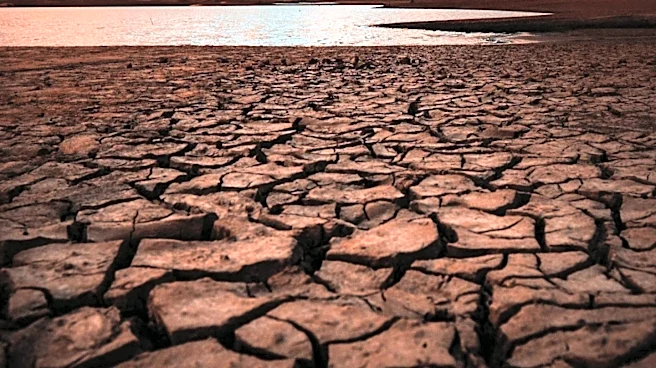
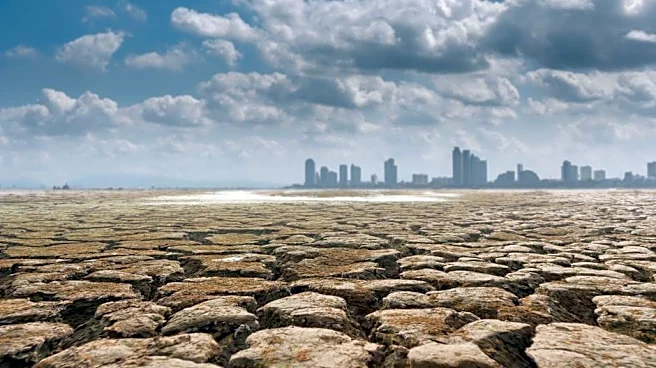
temperatures reached 40.5°C, the highest in over a century. France issued heat alerts due to heightened wildfire risks linked to drought and low humidity. The World Meteorological Organization (WMO) reports that Europe is warming faster than the global average, with a 2°C increase over the past 50 years. The heatwave has exacerbated drought conditions, increasing wildfire risks and impacting public health, with heat-related deaths reported.
Why It's Important?
The record-breaking heatwave in Western Europe underscores the urgent need for climate change adaptation and mitigation. The extreme temperatures and resulting drought conditions pose significant risks to public health, agriculture, and ecosystems. The increased frequency and intensity of heatwaves are consistent with scientific projections of climate change impacts. The situation highlights the importance of strengthening early warning systems and heat action plans to protect vulnerable populations. The United Nations has called for greater international cooperation to address the growing threat of extreme heat, emphasizing the need for comprehensive climate policies and actions to mitigate future risks.
What's Next?
In response to the heatwave, the WMO, in collaboration with the World Health Organization and other partners, is enhancing early warning systems and heat action plans. These efforts aim to protect vulnerable populations from the adverse effects of extreme heat. The international community is urged to increase cooperation and implement effective climate change adaptation and mitigation strategies. As Europe continues to experience rapid warming, the focus will be on developing resilient infrastructure, improving public health responses, and ensuring sustainable water and energy resources to cope with future climate challenges.