





What's Happening?
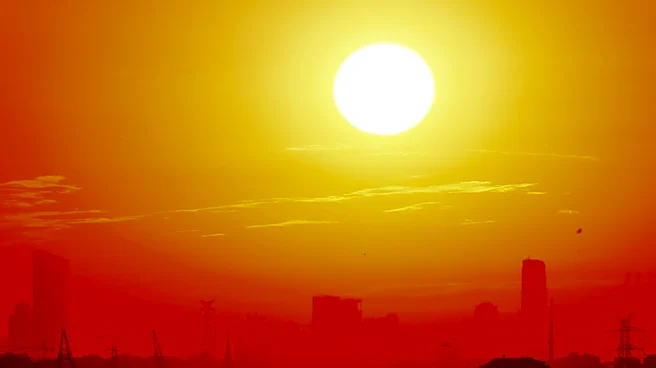
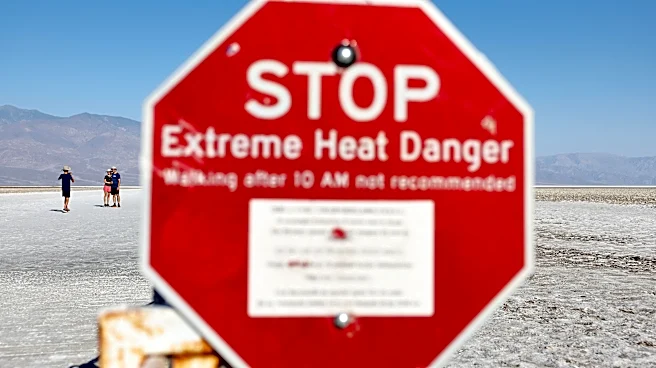
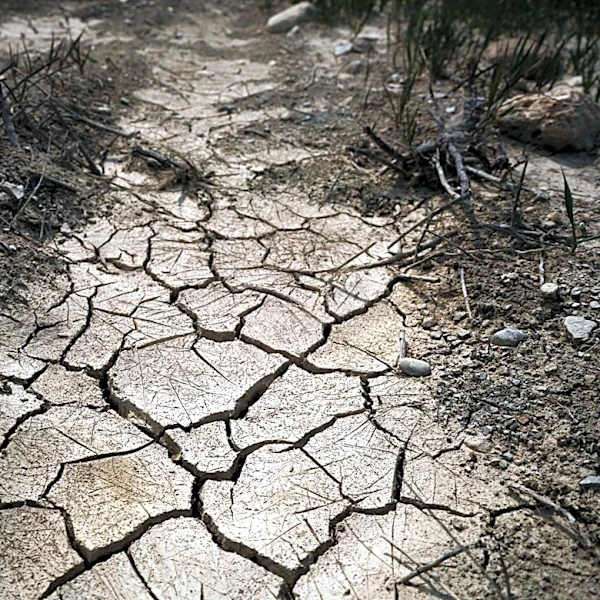
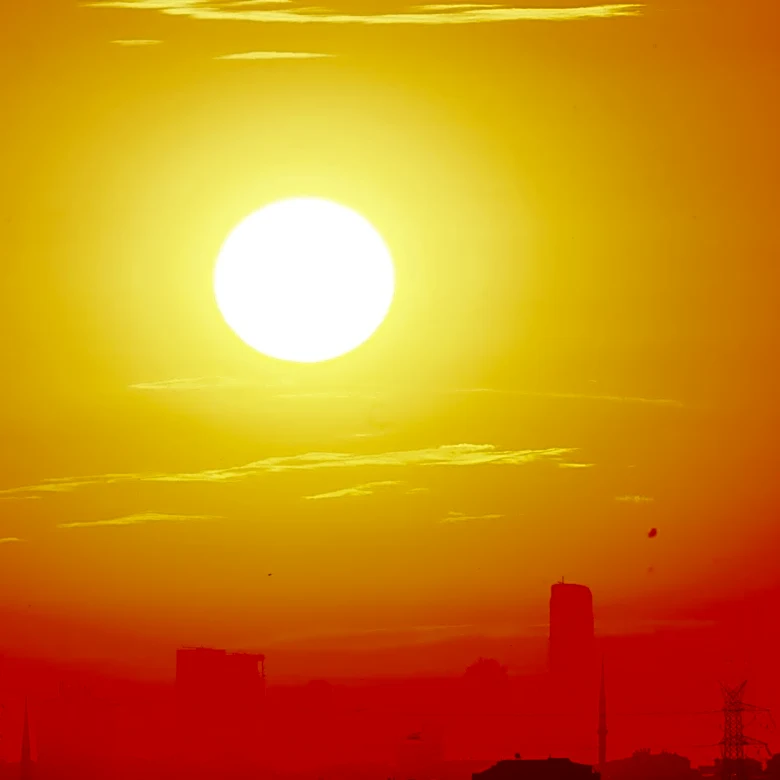
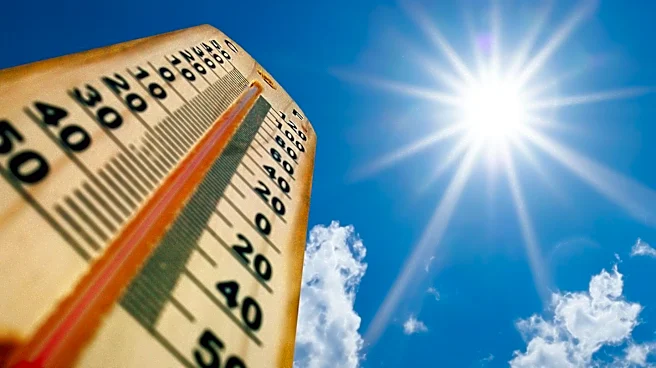
A severe heat wave is affecting the central and eastern United States, with temperatures expected to reach up to 105 degrees Fahrenheit. The National Weather Service has warned of potential daily, monthly, and all-time record temperatures, posing a significant
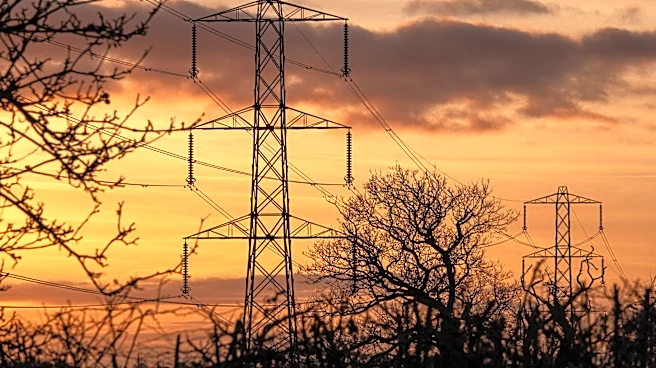
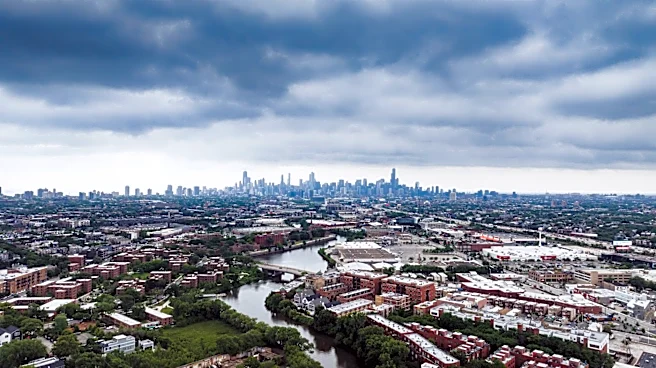
risk of heat-related illnesses, especially for vulnerable populations. The heat wave is putting immense pressure on power grids, with electricity prices surging due to increased demand for air conditioning. In New England, spot electricity prices have jumped over 243%, while New York City has seen a 101% increase. The heat is also causing travel disruptions, with Amtrak and New Jersey Transit warning of potential delays and cancellations due to the impact on equipment. The Illinois Department of Transportation has cautioned drivers about possible pavement failures. The heat wave coincides with the busy July 4 travel period, potentially forcing many to alter their plans.
Why It's Important?
The ongoing heat wave highlights the vulnerabilities in the U.S. power infrastructure, as extreme temperatures increase the demand for electricity, leading to higher prices and potential grid failures. This situation underscores the broader implications of climate change, which is expected to increase the frequency and intensity of such extreme weather events. The economic impact is significant, affecting both the energy sector and the travel industry during a peak holiday period. Vulnerable populations, particularly those without adequate cooling, face heightened health risks. The situation calls for urgent attention to climate resilience and infrastructure adaptation to mitigate future risks.
What's Next?
As the heat wave continues, authorities are likely to implement measures to manage electricity demand and prevent grid overloads. Public advisories may be issued to encourage energy conservation, such as setting air conditioners to higher temperatures and reducing the use of non-essential appliances. The travel industry may need to adjust schedules and provide accommodations for affected passengers. In the long term, this event may prompt discussions on enhancing infrastructure resilience and accelerating the transition to renewable energy sources to address climate change impacts.