





What's Happening?
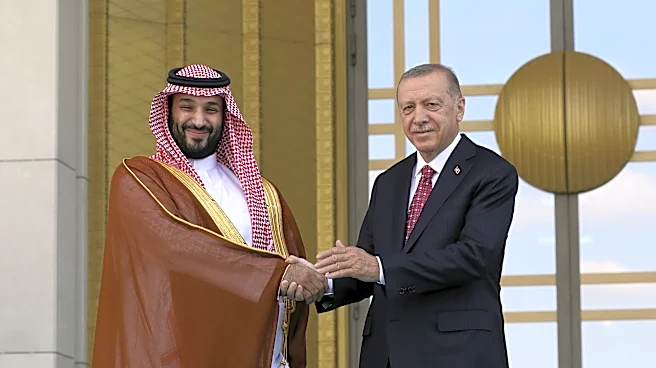
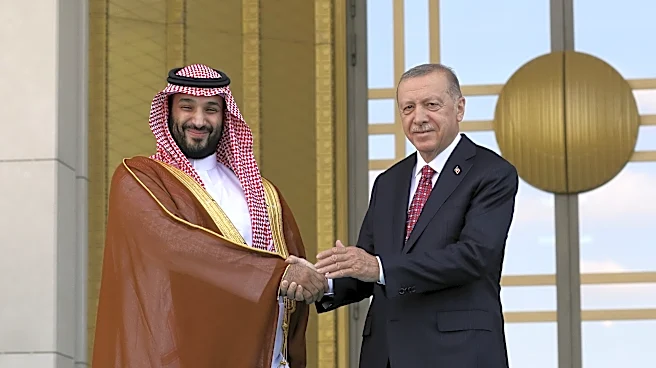
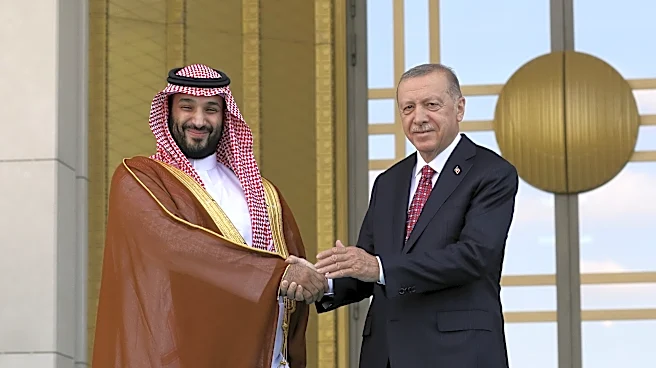
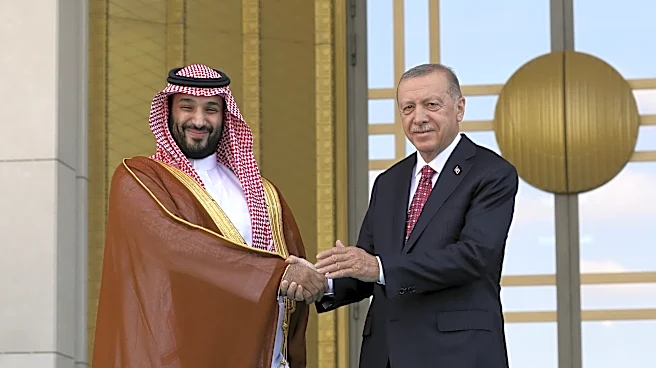
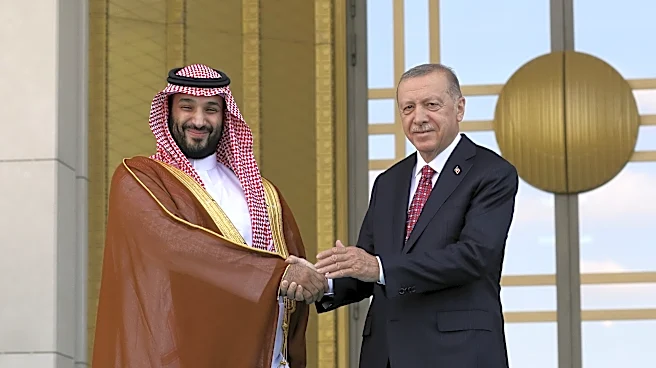
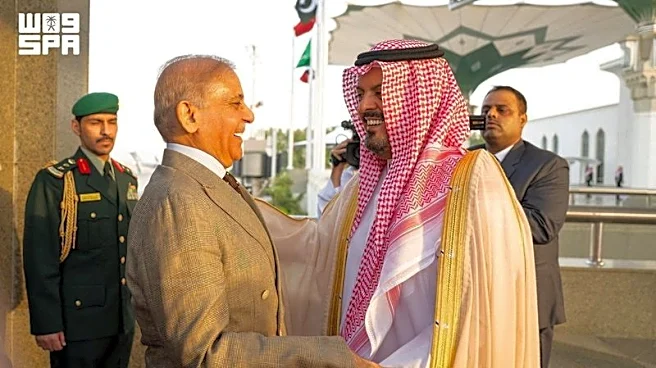
Saudi Arabia, Turkey, and Pakistan have signed a significant defense pact in Mecca, aiming to enhance regional security cooperation. This agreement, signed by Saudi Crown Prince Mohammed bin Salman, Turkish President Recep Tayyip Erdogan, and Pakistani
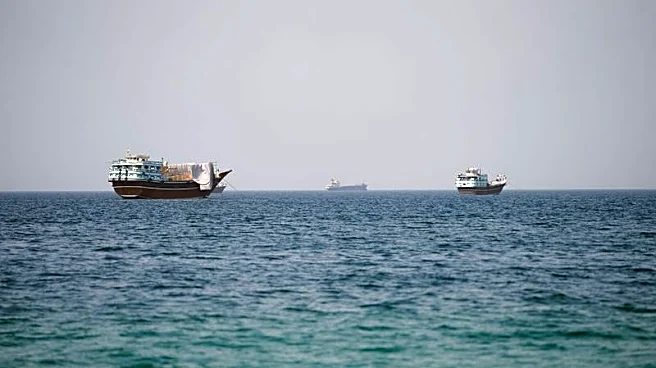
Prime Minister Shehbaz Sharif, establishes a mutual defense framework among the three nations. The pact is seen as a response to the escalating conflict with Iranian-backed Houthi rebels in Yemen, who have been targeting Saudi Arabia with missile and drone attacks. The agreement reflects a shift towards regional powers taking more responsibility for their security, as American deterrence in the region is perceived to have weakened. The pact is not intended to form a military axis or sectarian bloc but is purely defensive, with the potential for other regional states to join in the future.
Why It's Important?
The defense pact between Saudi Arabia, Turkey, and Pakistan marks a significant shift in the Middle East's security dynamics. As Iran continues to pose a threat through its support of Houthi rebels and other regional proxies, this agreement represents a strategic move by these countries to bolster their collective security. The pact could potentially reshape the regional order by reducing reliance on the United States for security and encouraging regional solutions to regional problems. This development is crucial for Saudi Arabia, which has faced increased attacks on its energy infrastructure, threatening its economic stability. The involvement of Turkey, a NATO member, and Pakistan, the only nuclear-armed Islamic nation, adds substantial military weight to the alliance, potentially deterring further aggression from Iran.
What's Next?
The newly formed alliance is expected to lead to increased military cooperation among the three countries, including joint exercises and defense technology sharing. Turkey and Pakistan are already collaborating on drone development, and Saudi Arabia has signed procurement deals with Turkish defense companies. The pact may also prompt other regional powers to consider joining the alliance, further strengthening its deterrent capability. However, the agreement's effectiveness will depend on the countries' ability to coordinate their military responses and manage their diplomatic relations with Iran. The pact's success could encourage similar regional security arrangements, potentially leading to a more multipolar security landscape in the Middle East.