




What's Happening?
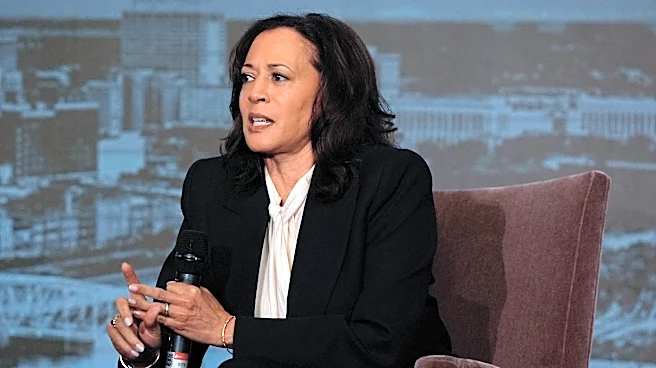
Senator Amy Klobuchar is actively collaborating with Republican senators on a bipartisan legislative initiative focused on artificial intelligence (AI) safety. This proposed bill aims to address and reduce the potentially catastrophic risks associated
with advanced AI models. The legislation, currently under negotiation and not yet formally introduced, would mandate that developers of powerful AI models conduct assessments and report on serious risks. Furthermore, it would require these developers to implement measures to prevent potential harm. A key aspect of the proposal is the potential expansion of federal government authority, allowing it to test AI models and intervene if significant safety concerns are identified and not adequately addressed by developers. This collaborative effort underscores a growing recognition among lawmakers of the need for regulatory frameworks to manage the rapid advancements and inherent risks of AI technology.
Why It's Important?
The development of a bipartisan AI safety bill is crucial for the United States as it seeks to navigate the complex landscape of emerging technologies. The potential for catastrophic risks from advanced AI models, as highlighted by Senator Klobuchar's initiative, could impact national security, economic stability, and societal well-being. By requiring developers to assess and report risks, the legislation aims to foster greater transparency and accountability within the AI industry. Granting the federal government more authority to test models and intervene could establish a critical oversight mechanism, preventing the unchecked deployment of potentially dangerous AI systems. This proactive approach could safeguard critical infrastructure, protect consumer data, and mitigate the spread of misinformation or autonomous systems with unintended consequences. The bipartisan nature of the effort suggests a broad consensus on the urgency of addressing AI safety, which could lead to more robust and enduring policy solutions.
What's Next?
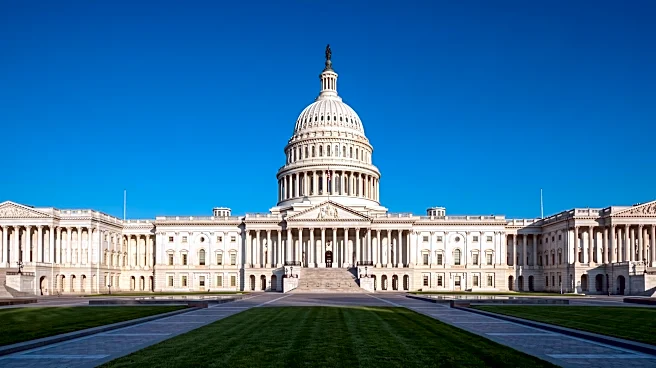
The immediate next step for this initiative involves continued negotiations between Senator Klobuchar and her Republican counterparts to finalize the details of the AI safety bill. Once negotiations are complete, the legislation will be formally introduced in Congress. Following its introduction, the bill will undergo the standard legislative process, including committee hearings, potential amendments, and votes in both the Senate and the House of Representatives. Stakeholders, including AI developers, technology companies, civil liberties advocates, and national security experts, are expected to closely monitor and engage with the legislative process, offering input and lobbying for their respective interests. The outcome of these negotiations and the subsequent legislative journey will determine the scope and enforcement power of federal oversight over AI development and deployment in the United States.
Beyond the Headlines
Beyond the immediate regulatory implications, this bipartisan push for AI safety legislation reflects a broader societal reckoning with the ethical and existential questions posed by advanced artificial intelligence. The emphasis on 'catastrophic risks' suggests a recognition that AI is not merely a technological advancement but a transformative force with profound implications for human control and autonomy. This legislative effort could set a precedent for how governments worldwide approach AI governance, potentially influencing international standards and collaborations. It also highlights the ongoing tension between fostering innovation and ensuring public safety, a balance that will define the future of technological progress. The bill's focus on federal intervention could also spark debates about the appropriate level of government involvement in regulating rapidly evolving technologies and the potential for stifling innovation versus preventing harm.