






What's Happening?
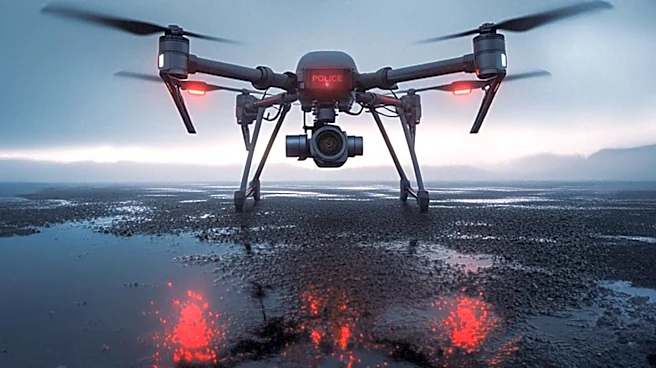
The St. Louis Metropolitan Police Department (SLMPD) is set to launch its drone program this week, with six drones ready for deployment. Police Chief Tracy announced that these drones are designed for first responders and situational awareness, providing
an aerial view to the Real Time Crime Center and potentially arriving at scenes before officers. The St. Louis Board of Police Commissioners will vote on Wednesday to establish special orders governing the Aerial Response Unit's operations. These orders explicitly prohibit random surveillance and flying through neighborhoods solely to search for criminal activity. The drones are intended to assist in various emergencies, including incidents involving missing persons, shootings, robberies, burglaries, pursuits, armed suspects, and support for firefighters. Chief Tracy confirmed that the drones will not carry weaponry. Eight certified operators are prepared to operate the drones as early as Friday, with plans to hire more in the future. The department is also developing a transparency portal on its website to keep residents informed about the program's rollout.
Why It's Important?
The introduction of police drones in St. Louis marks a significant advancement in law enforcement technology and response capabilities. The ability of drones to provide immediate aerial views and information to the Real Time Crime Center could drastically improve response times and situational awareness for officers on the ground. This enhanced information flow is crucial in high-stakes situations, potentially leading to more effective and safer resolutions for both law enforcement and the public. The explicit prohibition of random surveillance and discriminatory targeting, as outlined in the proposed special orders, is vital for addressing privacy concerns and maintaining public trust. However, the implementation of such technology also raises ongoing debates about the balance between public safety and civil liberties, particularly regarding surveillance and data collection. The success and public acceptance of this program will likely depend on the SLMPD's adherence to its stated limitations and its commitment to transparency.
What's Next?
The St. Louis Board of Police Commissioners is scheduled to vote on Wednesday on the special orders that will govern the operation of the Aerial Response Unit. If approved, the drones could be operational as early as Friday. The SLMPD plans to launch a transparency portal on its website, which will allow residents to monitor the program's rollout and operations. This portal is expected to provide details on who can operate the drones, where they can be deployed, how recordings are handled, and how operations will be reviewed. The department also intends to hire more certified drone operators in the future to expand the program's capacity. The ongoing implementation will likely involve continuous evaluation of the drones' effectiveness in various scenarios and public feedback regarding their use and impact on community privacy.
Beyond the Headlines
The deployment of police drones in St. Louis represents a broader trend in modern policing, where technology is increasingly integrated to enhance operational efficiency and safety. Beyond the immediate benefits of improved response times and situational awareness, this development highlights the evolving legal and ethical landscape surrounding surveillance technologies. The emphasis on clear limits, such as the prohibition of indiscriminate surveillance and discriminatory targeting, underscores the critical need for robust policy frameworks to govern the use of such powerful tools. The requirement for a warrant when legally necessary, even with drone deployment, reinforces existing legal protections. This initiative could serve as a model for other urban police departments considering similar programs, demonstrating how to balance technological advancement with civil liberties. The transparency portal is a crucial element, aiming to foster public trust and accountability in an area often fraught with privacy concerns.