





What's Happening?
Jacobs Philippines is seeking a Principal Transmission Line Engineer with extensive experience in transmission line engineering. The role requires expertise in various aspects, including transmission line design, structures, foundations, conductor systems,
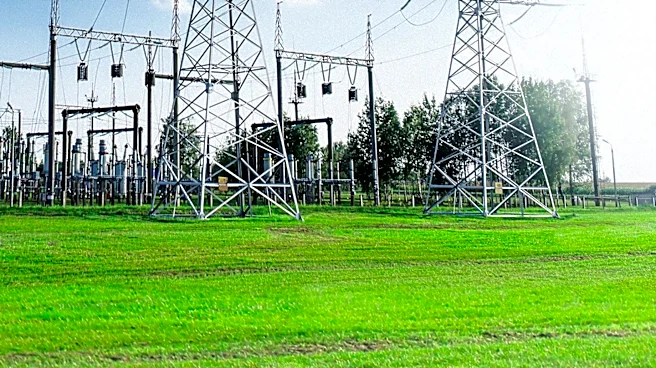
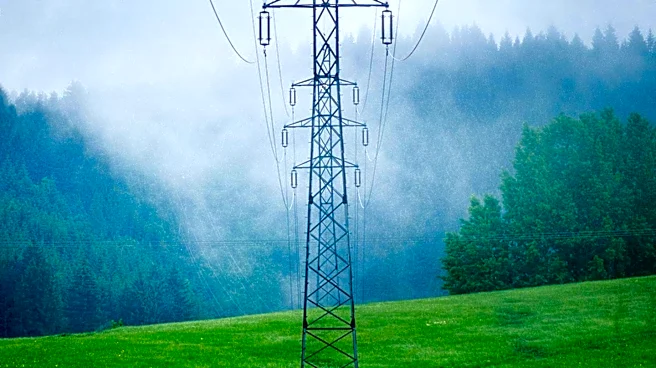
and line components. The Principal Engineer will be responsible for leading the design of overhead transmission lines, which includes steel lattice towers, tubular pole structures, foundations, and associated line components. Key duties involve directing engineering analyses such as sag and tension calculations, conductor clearance assessments, line optimization studies, and complex loading assessments. The position also entails providing technical oversight and approval of designs, technical specifications, engineering reports, and project documentation. The successful candidate will utilize and oversee the application of industry tools like PLS-CADD, PLS-POLE, and PLS-TOWER, and lead contractor and consultant reviews, project scope management, and business development activities.
Why It's Important?
The recruitment of a Principal Transmission Line Engineer by Jacobs Philippines underscores the global demand for high-level expertise in power infrastructure, which has direct implications for the U.S. energy sector. While the position is based in the Philippines, the skills and experience sought are universally critical for complex transmission projects, many of which are part of global initiatives or influence international best practices that are adopted in the U.S. The extensive experience required in design, structures, foundations, and conductor systems is vital for ensuring the reliability and efficiency of high-voltage transmission lines, which are the backbone of any modern economy. The ability to lead complex analyses and utilize advanced software tools is essential for addressing the challenges of grid modernization and integrating diverse energy sources. This role contributes to the global pool of engineering talent that supports critical infrastructure development worldwide, including projects that may directly or indirectly impact U.S. energy security and technological advancements.
What's Next?
The continuous demand for highly experienced transmission line engineers, as evidenced by Jacobs Philippines' search, indicates a global trend towards significant investment in power infrastructure. This suggests that similar roles and projects will continue to emerge in the U.S. as the nation strives to upgrade its grid and meet growing energy demands. The emphasis on advanced software tools like PLS-CADD, PLS-POLE, and PLS-TOWER highlights the increasing reliance on sophisticated digital solutions in engineering design. Future developments will likely involve further integration of these tools with other technologies, such as AI and machine learning, to optimize design processes and enhance project efficiency. The leadership provided by principal engineers will be crucial in driving innovation, ensuring compliance with evolving standards, and mentoring the next generation of engineers to tackle complex infrastructure challenges globally and within the U.S.
Beyond the Headlines
The search for a Principal Transmission Line Engineer reflects a broader global commitment to sustainable development and energy transition. Beyond the technical requirements, this role carries significant ethical responsibilities, particularly in ensuring that large-scale infrastructure projects are environmentally sound and socially equitable. Legally, such projects must navigate a complex international and national regulatory landscape, including environmental impact assessments and land use policies. Culturally, the development of major transmission lines can have profound impacts on local communities, requiring careful stakeholder engagement and consideration of indigenous rights or traditional land uses. The long-term implications include the creation of more resilient and interconnected global energy grids, which can facilitate cross-border energy trade, enhance energy security, and accelerate the transition to renewable energy sources, ultimately benefiting economies and societies worldwide, including the U.S.