



What's Happening?
The Sanibel City Council has unanimously voted to allocate funding for the Sanibel-Captiva Conservation Foundation's (SCCF) Coastal Wildlife Program and a new coyote population study. This decision, made on July 21, 2026, is part of the city's fiscal
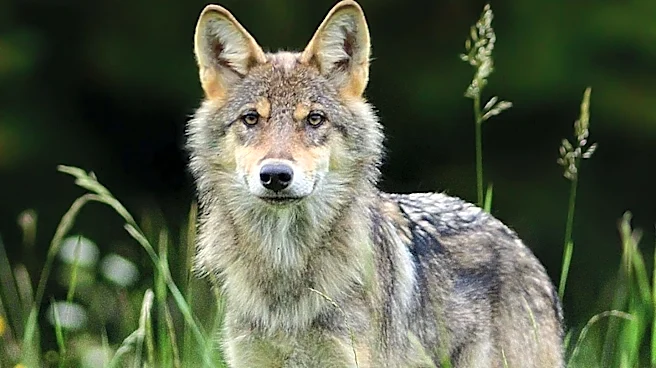
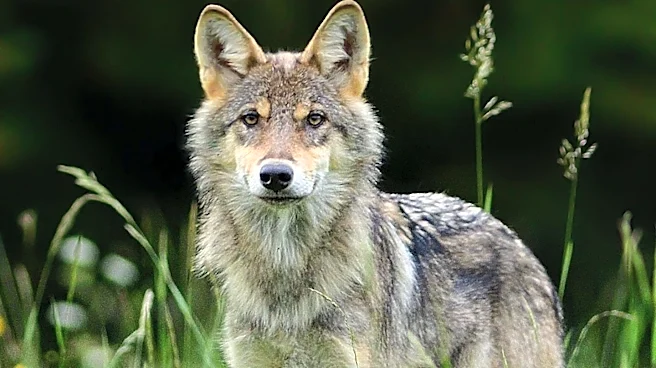
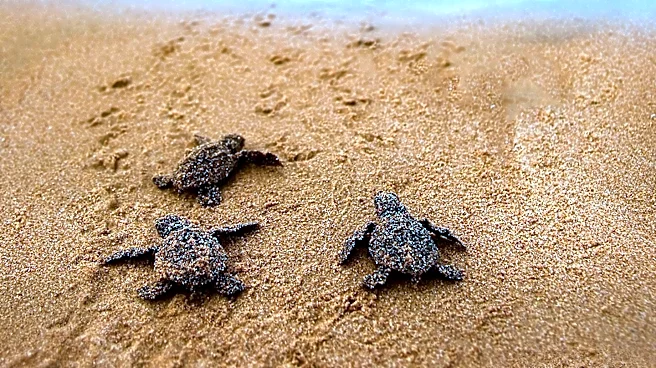
year 2027 budget and aims to enhance the protection of nesting sea turtles and shorebirds while gaining a better understanding of the coyote population on Sanibel Island. The funding decision follows months of deliberation and collaboration with the Sanibel Coyote Working Group, which includes SCCF. The group has been monitoring the impact of coyotes on loggerhead sea turtle nests, a federally threatened species. The council's decision also includes a comprehensive study on coyote population, spatial ecology, and genetics, with proposals due in mid-August and potential fieldwork starting in October.
Why It's Important?
This funding is crucial for the continued conservation efforts on Sanibel Island, particularly in protecting endangered species like the loggerhead sea turtles. The increased depredation rates on sea turtle and shorebird nests highlight the urgent need for effective management strategies. The coyote study will provide valuable data to inform non-lethal management strategies, ensuring the safety of both wildlife and the local community. The council's decision reflects Sanibel's identity as a conservation-focused community and underscores the importance of collaborative efforts between local government, conservation organizations, and the community in addressing environmental challenges.
What's Next?
With the request for proposals for the coyote study now live, SCCF and city staff will review submissions and conduct interviews through September. Fieldwork is expected to begin in October. Additionally, a public reporting tool, SanibelCoyote.com, has been launched to allow residents to report coyote sightings and access information on coexisting with the island's coyote population. SCCF will continue monitoring nests for the remainder of the 2026 season and plans to return to the council after the season ends to discuss findings and next steps, including potential workshops on mitigation strategies for 2027.