









What's Happening?
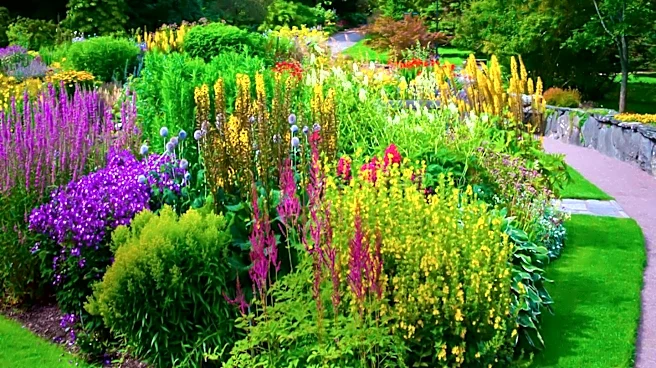
Lynn O’Shaughnessy of Howell, Michigan, has developed a 100-foot-wide Circle Garden, inspired by an aerial view of a lavender labyrinth. Her gardening approach emphasizes native plants and the creation of habitats for pollinators. The garden, which began
taking shape in 2019, is registered on Homegrown National Park’s Biodiversity Map, an initiative that tracks native plantings and efforts to restore biodiversity across the country. O’Shaughnessy's garden features a central 12-point geometric pattern and is almost entirely populated with Michigan native plants, many of which she grew from seed. Notable plant species include clustered mountain mint, spotted Joe-Pye weed, giant coneflower, black-eyed Susans, anise hyssop, cardinal flower, purple coneflower, false sunflower, swamp rose mallow, obedient plant, and Northern blazing star, all chosen for their ecological benefits and aesthetic appeal. The garden has been observed to attract a diverse range of pollinators, including 11 monarchs feeding on Northern blazing star simultaneously, as well as various bees, flies, wasps, and hummingbird moths.
Why It's Important?
This initiative highlights the growing importance of native plant gardening in the U.S. for ecological restoration and biodiversity. By focusing on native species, O’Shaughnessy's garden provides crucial habitat and food sources for local pollinators, which are vital for ecosystem health and agricultural productivity. The registration of her garden on the Homegrown National Park’s Biodiversity Map underscores a broader national movement to encourage individual contributions to environmental conservation. Such projects demonstrate how localized efforts can collectively contribute to larger ecological goals, addressing issues like pollinator decline and habitat loss. The success of this garden serves as a practical model for other homeowners and communities looking to implement sustainable landscaping practices, promoting a shift away from conventional ornamental gardens towards more ecologically functional green spaces. This approach not only supports wildlife but also often requires less maintenance and water once established, offering long-term environmental and economic benefits.
What's Next?
The continued growth and visibility of gardens like O’Shaughnessy's are likely to inspire more individuals and communities to adopt native plant gardening practices. As awareness of pollinator decline and the importance of biodiversity increases, there may be a greater push for local and state-level initiatives supporting native landscaping. Educational outreach, potentially through organizations like Homegrown National Park, could expand, offering resources and guidance for those interested in creating their own pollinator-friendly gardens. Furthermore, the success stories from these gardens could influence urban planning and public land management, encouraging the integration of native plant species in parks, public spaces, and roadside verges. This trend could also lead to increased demand for native plant nurseries and specialized horticultural knowledge, fostering economic opportunities within the green industry. The ongoing documentation and sharing of these gardens' progress will be crucial in demonstrating their long-term ecological impact.
Beyond the Headlines
Beyond its immediate ecological benefits, O’Shaughnessy's Circle Garden embodies a deeper cultural shift towards reconnecting with nature and understanding local ecosystems. It challenges conventional aesthetic norms in gardening, promoting a beauty that is intrinsically linked to ecological function and regional identity. This movement fosters a sense of environmental stewardship and community engagement, as gardeners share their experiences and knowledge. The act of cultivating native plants can also serve as a form of citizen science, with individuals observing and documenting the wildlife attracted to their gardens, contributing to broader ecological data. Ethically, such gardens highlight our responsibility to support local biodiversity and mitigate human impact on natural habitats. Culturally, they represent a return to practices that honor the indigenous flora and fauna of a region, moving away from non-native, often resource-intensive, landscaping. This shift could ultimately lead to more resilient and sustainable urban and suburban landscapes across the U.S.