









What's Happening?
U.S. state unemployment systems have largely transitioned to digitized platforms, allowing claimants to track their benefit status online. This shift aims to streamline the process, moving away from paper-based or phone-heavy verification methods. Claimants
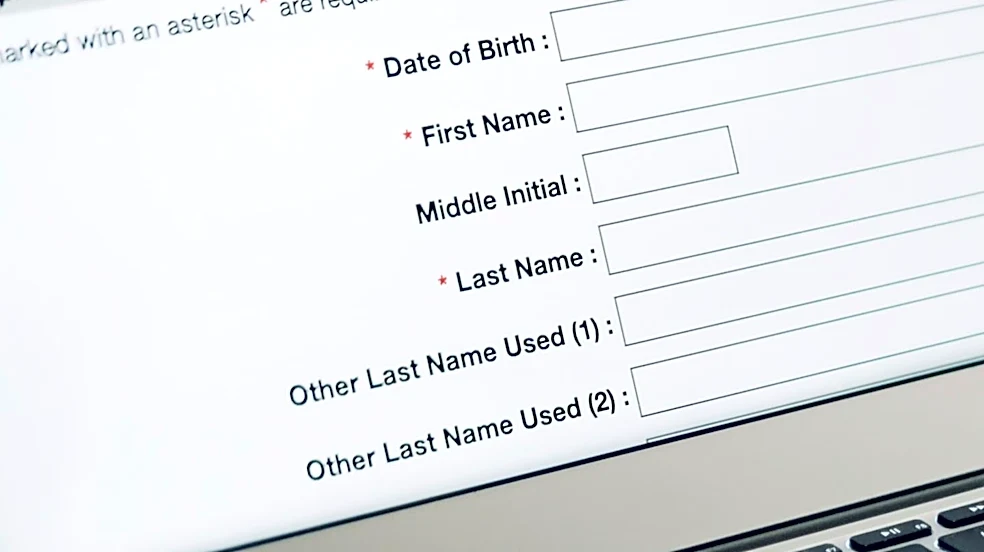
can access their status through official state labor department websites, which typically require a secure login with multi-factor authentication. These portals provide detailed information on claim summaries, payment histories, and weekly certification statuses. A critical aspect of these digitized systems is identity verification, which is essential for confirming eligibility and preventing fraud. Common status indicators like 'Pending,' 'Disqualified,' or 'Ineligible' are used, with 'Pending' often indicating ongoing identity and employment history verification. The systems also facilitate troubleshooting payment delays, often caused by 'Fact-Finding' requests or banking information mismatches.
Why It's Important?
The digitization of unemployment systems is crucial for millions of Americans who rely on these benefits during periods of joblessness. It enhances transparency and accessibility, allowing claimants to proactively monitor their accounts and address potential issues before they lead to financial hardship. The emphasis on identity verification within these systems is vital for protecting taxpayer money and preventing widespread fraud, which has been a significant concern in recent years. For U.S. states, these digital platforms improve administrative efficiency, reduce processing backlogs, and provide better data for policy-making. However, the reliance on online portals also highlights the need for digital literacy and equitable access to technology, ensuring that all eligible individuals can navigate the system effectively. The integrity of these systems directly impacts the financial stability of individuals and the overall economic health of communities.
What's Next?
State unemployment systems will likely continue to evolve, with ongoing improvements in user interface, mobile accessibility, and integration of advanced security features. The focus on robust identity verification is expected to intensify, potentially incorporating more sophisticated biometric or AI-driven solutions to combat increasingly complex fraud schemes. There will be a continued effort to educate claimants on how to use official portals and avoid third-party scams. States may also explore further automation of appeals processes and clearer communication for status updates. The balance between security, user-friendliness, and equitable access will remain a key challenge. Furthermore, the data collected through these digitized systems could inform future labor market policies and economic support programs, providing real-time insights into unemployment trends and claimant needs.
Beyond the Headlines
The digitization of unemployment status tracking, while offering efficiency, also brings to light deeper societal issues related to digital equity and privacy. For individuals without reliable internet access or digital literacy, navigating these online systems can be a significant barrier, potentially delaying or denying crucial benefits. The extensive collection of personal data for identity verification, while necessary for fraud prevention, raises concerns about data security, potential breaches, and the long-term implications of government agencies holding such sensitive information. The shift also underscores the increasing reliance on technology for essential public services, prompting questions about the government's role in ensuring universal access and support for its digital platforms. This transformation is not just about technology; it's about redefining the social contract in a digital age, ensuring that public services remain accessible, secure, and equitable for all citizens.