





What's Happening?
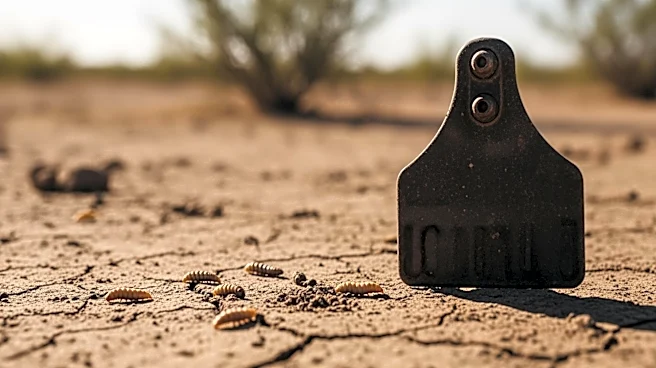
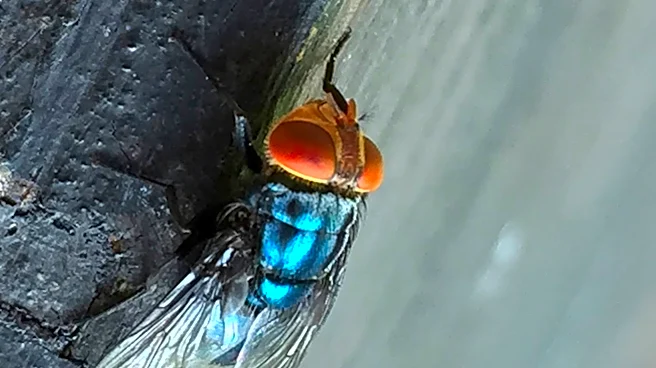
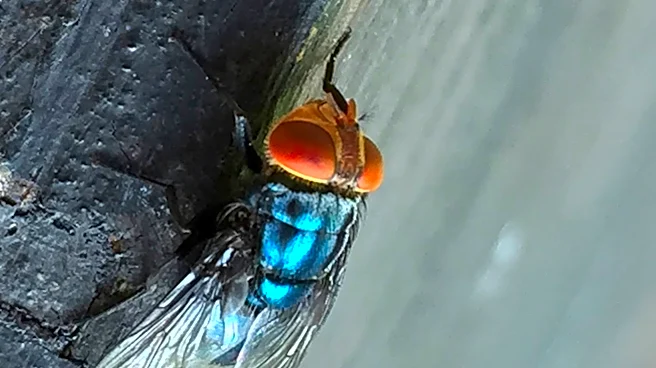
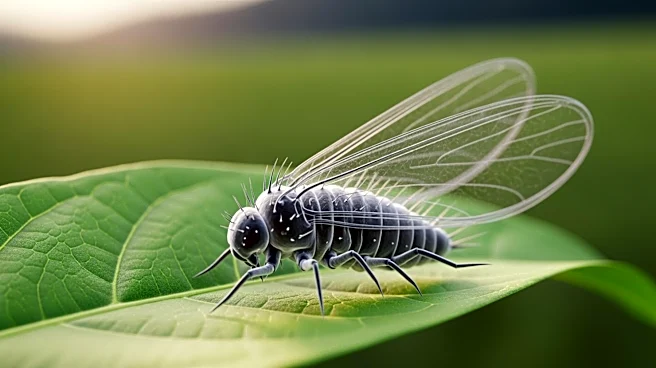
The U.S. Department of Agriculture (USDA) is intensifying efforts to combat the resurgence of the New World screwworm, a parasitic fly that poses a significant threat to American cattle. The screwworm, which was previously eradicated in the U.S., has
reappeared, with larvae recently discovered in Texas and New Mexico. The USDA has been using a sterile-insect technique since the 1950s to control the screwworm population, involving the release of sterilized flies to reduce the breeding population. However, the current production capacity for sterile flies is limited, with only a Panamanian facility capable of producing 100 million flies weekly. The resurgence of the screwworm is attributed to factors such as illegal cattle trafficking, which has facilitated the parasite's northward spread from Central America.
Why It's Important?
The reemergence of the screwworm threatens the already strained U.S. cattle industry, which is experiencing its smallest herd size since 1951 due to drought and other factors. The parasite's presence could exacerbate the situation by increasing cattle mortality and reducing herd sizes further, leading to higher beef prices. The USDA's efforts to control the screwworm are crucial to preventing significant economic losses for cattle farmers, who have historically faced tens of millions of dollars in damages from the pest. The situation also highlights the importance of maintaining robust biosecurity measures and international cooperation to prevent the spread of agricultural pests.
What's Next?
The USDA plans to expand its sterile fly production capabilities to better manage the screwworm population. However, the timeline for fully eradicating the parasite remains uncertain, with experts suggesting it could take months to years. The agency is also facing criticism from various stakeholders, including state officials and political figures, over its handling of the situation. The ongoing debate over trade policies and tariffs further complicates the outlook for the cattle industry, as ranchers weigh the risks of investing in herd expansion amid market uncertainties.