




What's Happening?
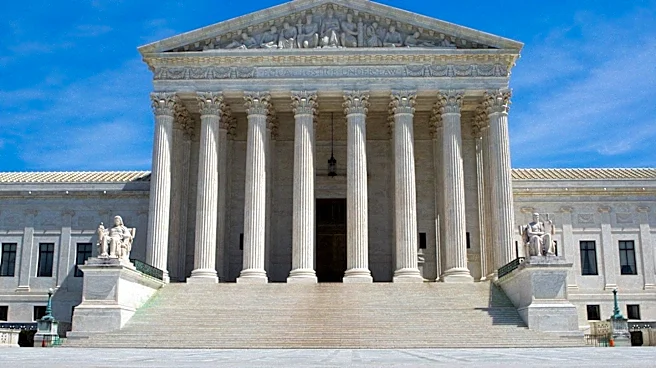
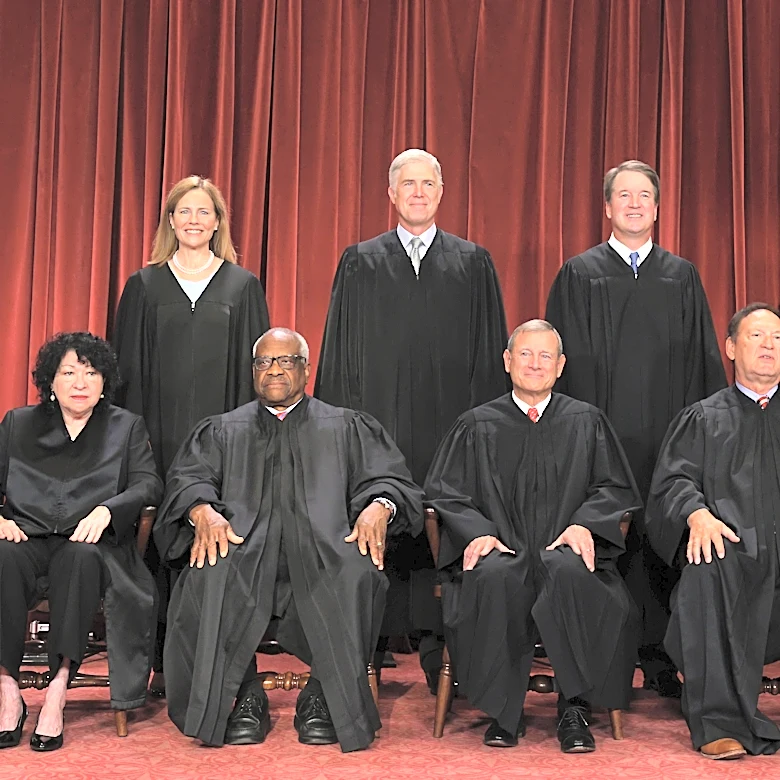
The U.S. Supreme Court has declined to hear a lawsuit brought by Gays Against Groomers, an organization identified by the Southern Poverty Law Center as an anti-LGBTQ+ hate group. The lawsuit challenged Colorado lawmakers' refusal to allow witnesses to misgender
and deadname transgender individuals during legislative hearings. The justices rejected the appeal without comment, thereby upholding a federal appeals court ruling that protected five Democratic state lawmakers from the suit. This decision concludes the case without definitively ruling on whether restrictions on misgendering violate the First Amendment. The controversy originated in 2024 during discussions for Tiara’s Law, legislation aimed at simplifying legal name changes for individuals with felony convictions, including transgender people seeking identity documents. Activists Rich Guggenheim and Christina Goeke alleged that their testimony was interrupted and partially removed from the legislative record after they refused to use a transgender person’s correct name and pronouns, leading them to sue on grounds of viewpoint discrimination.
Why It's Important?
This Supreme Court decision, while not a direct ruling on First Amendment rights regarding misgendering, is significant for several reasons. By refusing to hear the appeal, the Court effectively upholds the authority of legislative bodies to establish and enforce rules for their hearings, including those pertaining to respectful language. This reinforces the principle of legislative immunity, protecting lawmakers from lawsuits related to their official duties. For the LGBTQ+ community and its allies, the outcome is a victory, as it prevents a precedent that could have emboldened groups seeking to intentionally misgender individuals in official settings. Conversely, for groups like Gays Against Groomers, it represents a setback in their efforts to challenge what they perceive as restrictions on free speech. The case highlights the ongoing legal and social tensions surrounding transgender rights and the boundaries of free expression, particularly in public and governmental forums. It underscores the judiciary's role in navigating these complex issues without necessarily providing a definitive constitutional interpretation.
What's Next?
With the Supreme Court's refusal to hear the case, the federal appeals court ruling stands, affirming the legislative immunity of the Colorado lawmakers. This means that legislative bodies retain the power to set rules for decorum and respectful language during hearings, which can include requirements for using correct names and pronouns. While this specific legal challenge is concluded, the broader debate over free speech, gender identity, and the rights of transgender individuals will undoubtedly continue in other legal and political arenas. Activist groups on both sides are likely to pursue different strategies, including advocating for new legislation, filing different types of lawsuits, or engaging in public awareness campaigns. The Institute for Free Speech, which represented the plaintiffs, has already criticized the decision, indicating that similar legal challenges may arise in other jurisdictions or in different contexts. This outcome may also encourage other states to adopt similar rules regarding respectful language in legislative proceedings.
Beyond the Headlines
The Supreme Court's decision, or lack thereof, in this case has deeper implications for the cultural and ethical landscape of public discourse. It implicitly acknowledges the growing societal recognition of gender identity and the importance of respectful language, even within the context of legislative debate. The concept of 'misgendering' and 'deadnaming' has become a flashpoint in the culture wars, representing a clash between traditional notions of free speech and evolving standards of civility and inclusivity. This case highlights the ethical dilemma of balancing an individual's right to express their views, however controversial, with the need to create a respectful and safe environment for all participants in public life. The outcome suggests a judicial reluctance to intervene in legislative bodies' internal rules regarding conduct and speech, particularly when those rules aim to protect marginalized groups from harassment. This could contribute to a broader societal shift towards greater accountability for speech that is perceived as discriminatory or harmful.