






What's Happening?
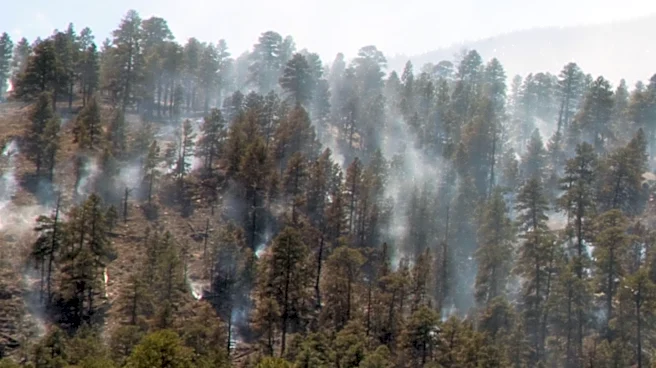
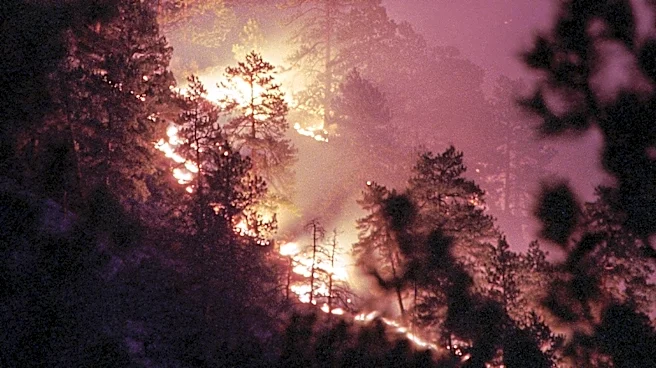
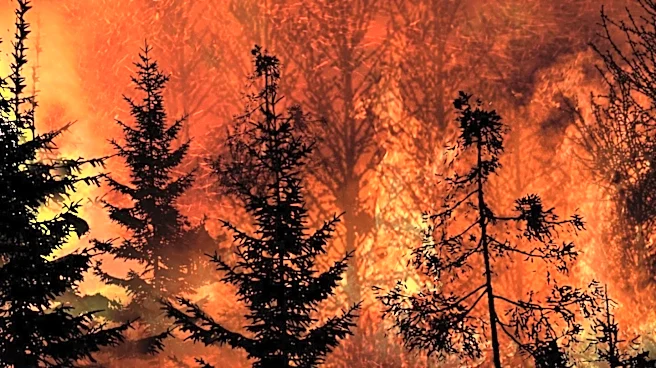
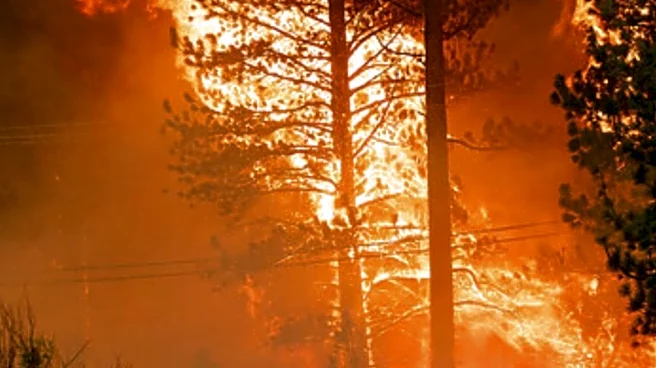
Northeastern Minnesota is currently experiencing unprecedented wildfires, with federal fire officials warning that the situation may persist until the arrival of snow later in the year. The fires have significantly impacted the region, particularly in the Boundary
Waters area, where firefighters have replaced tourists. The long-term forecast for these wildfires is bleak, as officials struggle to contain the blazes amid challenging conditions.
Why It's Important?
The ongoing wildfires in Minnesota highlight the increasing frequency and intensity of such events, likely exacerbated by climate change. These fires pose significant risks to local communities, wildlife, and natural resources. The economic impact is also substantial, as tourism—a major industry in the Boundary Waters region—suffers due to the fires. The situation underscores the urgent need for effective wildfire management strategies and climate adaptation measures to protect vulnerable areas.
What's Next?
As the wildfires continue, firefighting efforts will remain a priority, with resources being allocated to manage and contain the blazes. Local and federal agencies may need to collaborate on long-term strategies to mitigate future wildfire risks. The situation could prompt discussions on policy changes related to land management and climate resilience, potentially influencing future legislative actions.
Beyond the Headlines
The wildfires in Minnesota serve as a stark reminder of the broader implications of climate change, particularly in terms of increased natural disasters. This event may lead to heightened awareness and advocacy for stronger environmental policies and climate action at both state and national levels.