
What's Happening?
A recent study published in BMC Medicine has highlighted the potential heart health benefits of consuming foods rich in polyphenols. The research, led by Ana Rodriguez-Mateos, PhD, from King’s College
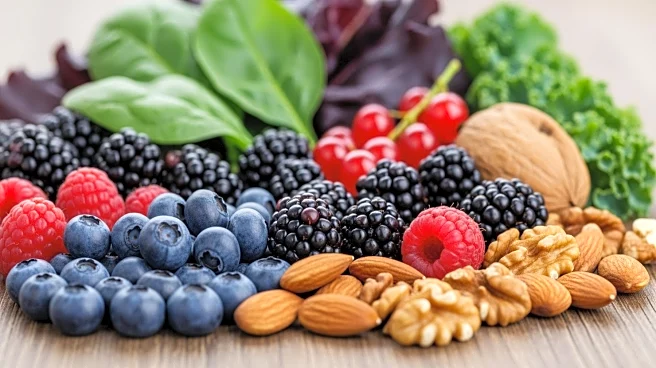
London, suggests that foods such as coffee, berries, walnuts, cocoa, and olive oil may contribute to improved cardiovascular health. The study involved over 3,100 participants from the TwinsUK cohort, who were monitored for more than a decade. Researchers found that higher levels of polyphenol metabolites in urine were associated with reduced cardiovascular risk scores and higher levels of HDL cholesterol. The study emphasizes the importance of diet in preventing heart disease, a leading cause of death worldwide.
Why It's Important?
The findings of this study are significant as they provide further evidence of the role diet plays in managing heart health. Cardiovascular disease remains a leading cause of mortality in the United States, and dietary interventions could be a key strategy in reducing risk factors such as high blood pressure and cholesterol. The study's results suggest that incorporating polyphenol-rich foods into daily diets could help maintain a favorable heart-health profile, potentially slowing the progression of cardiovascular risk as individuals age. This research supports the idea that small, consistent dietary changes can have a substantial impact on long-term health outcomes.
What's Next?
Future research is planned to further explore the direct effects of polyphenol-rich diets on heart health through randomized controlled trials. These studies aim to develop new biomarker-based tools to measure dietary intake more accurately and understand the long-term health implications of polyphenols. Additionally, researchers are interested in identifying which specific polyphenol-rich foods might offer the most significant heart health benefits. This ongoing research could lead to more targeted dietary recommendations and interventions to prevent cardiovascular disease.
Beyond the Headlines
The study also touches on the broader implications of polyphenols as natural compounds with anti-inflammatory and antioxidant properties. These compounds not only support heart health but also contribute to overall well-being by improving blood vessel function and potentially offering protective benefits against other chronic conditions. The research underscores the importance of a plant-based diet and the potential for natural dietary components to play a role in disease prevention and health promotion.