






What's Happening?
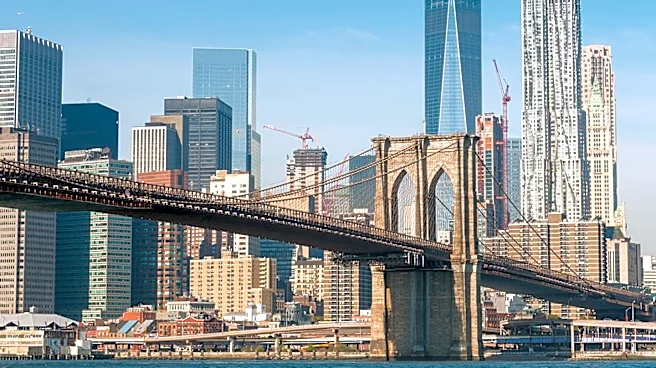
The Brooklyn Museum is undertaking a $48 million energy-efficiency retrofit of its century-old infrastructure, as part of New York City's broader initiative to make cultural institutions and the city itself more energy-efficient and less reliant on fossil
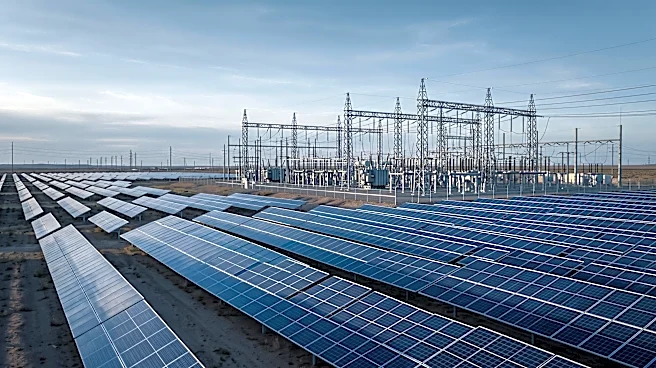
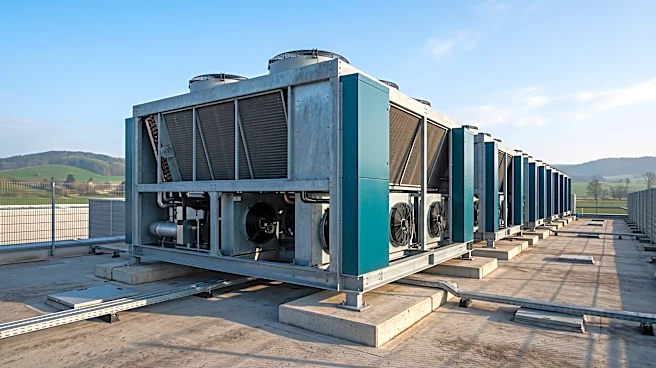
fuels. This project, announced in June by the Department of Citywide Administrative Services (DCAS), the Brooklyn Museum, and the New York Power Authority, represents the most comprehensive energy initiative the museum has ever pursued. The overhaul, expected to be completed by mid-2027, will combine renewable-energy generation with the modernization of the museum's systems. Key components of the Deep Energy Retrofit program include the installation of solar carport panels, a new building-management system, and upgrades to heating, ventilation, and air-conditioning. The museum's aging steam-generation plant will be replaced with a high-efficiency hot-water system, and electric humidification control will be implemented to regulate gallery conditions. Hardat Raywat, the museum’s deputy director for operations, engineering, and facilities, anticipates a 57% reduction in carbon emissions, equivalent to over 3,300 metric tons per year, or taking 725 cars off the road.
Why It's Important?
This significant investment by the Brooklyn Museum and New York City underscores a critical trend in urban sustainability and climate action within the U.S. It demonstrates how major cultural institutions, often housed in historic and energy-intensive buildings, can play a vital role in achieving city-wide emission reduction targets. For other U.S. cities and institutions, this project serves as a model for integrating renewable energy and modernizing infrastructure to combat climate change. The initiative is particularly important in the context of Local Law 97, New York City's Climate Mobilization Act, which mandates substantial greenhouse gas reductions for city government operations. This effort highlights the economic benefits of energy efficiency, such as reduced operational costs, and the broader societal impact of creating healthier, more sustainable urban environments. It also showcases how public-private partnerships and targeted funding can drive large-scale sustainability projects, influencing policy and investment decisions across the country for similar endeavors in the cultural and public sectors.
What's Next?
The completion of the Brooklyn Museum's energy-efficiency retrofit in mid-2027 will provide a tangible case study for other cultural institutions and large building owners in New York City and beyond. DCAS will likely use the project's success and lessons learned to inform future energy-efficiency initiatives across its portfolio, which includes libraries, schools, and wastewater treatment plants. The project's impact on carbon emission reduction will be closely monitored, potentially influencing the stringency of future climate-related regulations like Local Law 97. Other U.S. cities facing similar climate mandates may look to New York City's approach for guidance on decarbonizing their municipal and cultural infrastructure. Funding mechanisms for such large-scale retrofits, including federal incentives, private fundraising, and capital budgets, will likely become more accessible and streamlined as the demand for sustainable infrastructure grows. The project could also spur innovation in building management systems and renewable energy technologies tailored for historic and complex structures.
Beyond the Headlines
The Brooklyn Museum's retrofit goes beyond mere energy savings; it represents a profound shift in the stewardship of cultural heritage in the face of climate change. It highlights the ethical responsibility of institutions to not only preserve art and history but also to contribute to a sustainable future. The challenge of retrofitting a century-old building underscores the broader issue of aging infrastructure across the U.S. and the need for innovative solutions that balance preservation with modernization. This project also brings to light the often-overlooked 'back-of-house' infrastructure, emphasizing that true sustainability requires comprehensive overhauls, not just visible green initiatives. The collaboration between a cultural institution and city agencies demonstrates a growing understanding that climate action requires a multi-sectoral approach. Ultimately, this initiative could redefine the role of cultural institutions, transforming them into active participants in climate solutions and community resilience, fostering a deeper connection between art, history, and environmental consciousness.