



What's Happening?
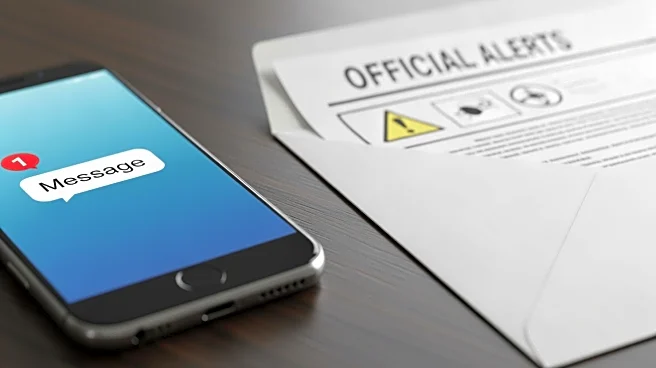
A new scam has emerged targeting online shoppers with fake recall notices, as reported by Consumer Reports. The scam involves sending text messages that appear to be from Amazon, claiming that a product purchased by the recipient is under recall. The message includes
a link to review details and refund options. Taylor Smith, a frequent Amazon shopper, received such a text and became suspicious when she noticed it was addressed to only 18 people. Upon checking with Amazon's AI tool, Rufus, she confirmed there was no recall, identifying the message as a phishing scam. The scammers aim to trick recipients into clicking the link and entering personal information, which can then be stolen and sold on the dark web. Consumers are advised to verify recall notices through official channels like the product's app or website, recalls.gov, or the Consumer Product Safety Commission's website.
Why It's Important?
This scam highlights the increasing sophistication of phishing attempts targeting consumers' trust in well-known brands like Amazon. With the rise of online shopping, consumers are more vulnerable to such scams, which can lead to identity theft and financial loss. The scam exploits the legitimate concern for product safety, making it crucial for consumers to be vigilant and verify any recall notices through official sources. This incident underscores the importance of digital literacy and awareness in protecting personal information. It also emphasizes the need for companies to enhance their communication strategies to prevent such scams from exploiting their brand and customer trust.
What's Next?
Consumers are encouraged to register their products to receive legitimate recall notifications directly from manufacturers. Companies like Amazon are expected to continue improving their systems to detect and warn users about potential scams. Regulatory bodies may also increase efforts to educate the public on identifying and avoiding phishing scams. As online shopping continues to grow, the need for robust cybersecurity measures and consumer education becomes increasingly critical to prevent such fraudulent activities.