


What's Happening?
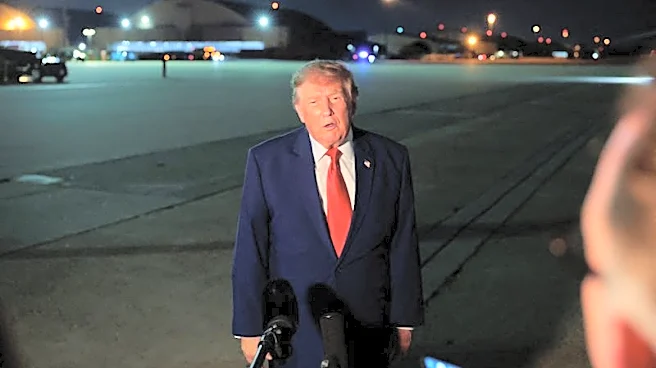
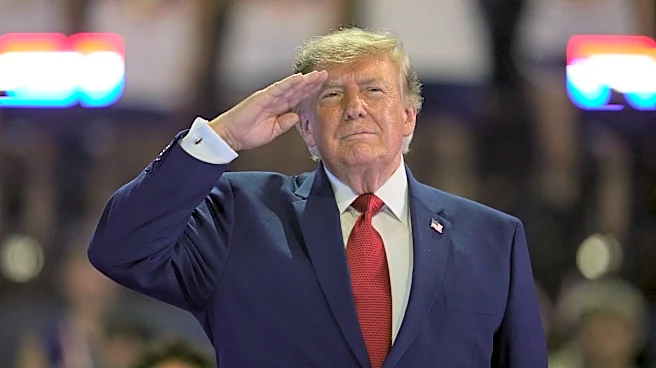
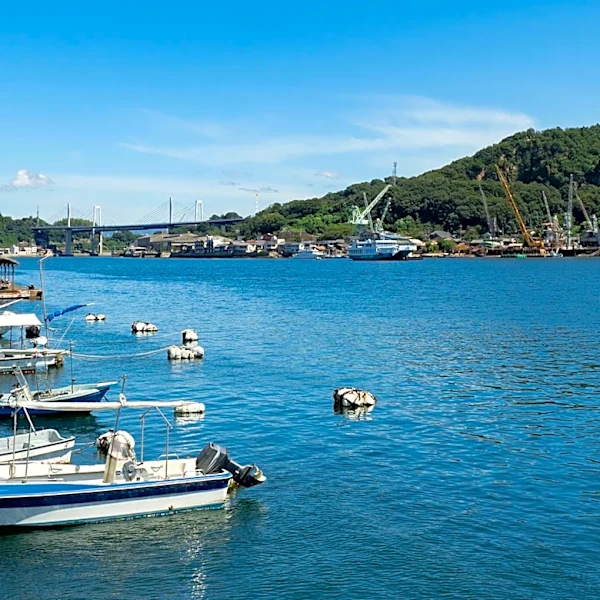
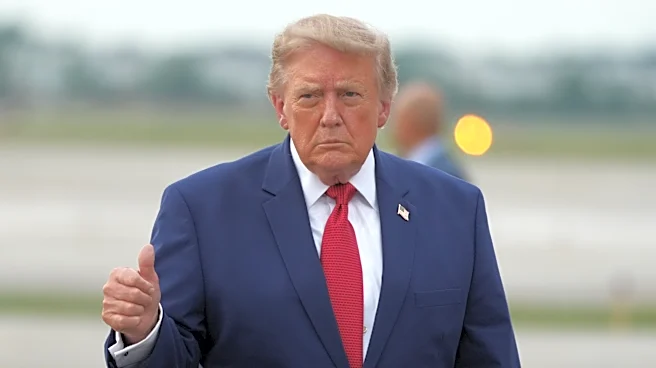
President Trump announced his intention to "soon" declare the Strait of Hormuz a U.S. territory during a rally in Garden City, New York state. This statement comes amidst a five-month-old conflict involving the U.S. and Israel against Iran. The war's
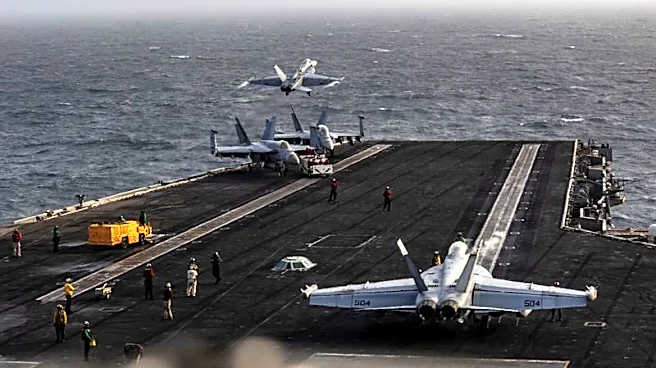
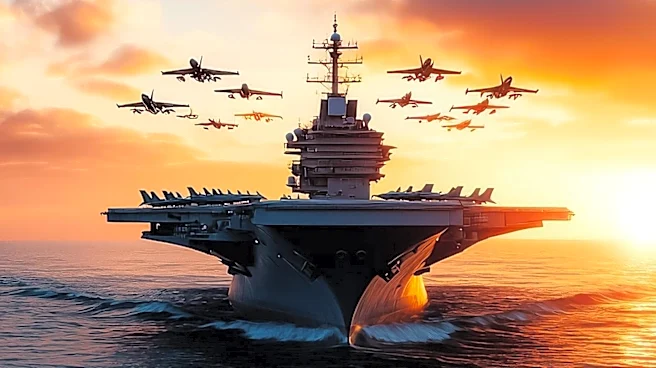
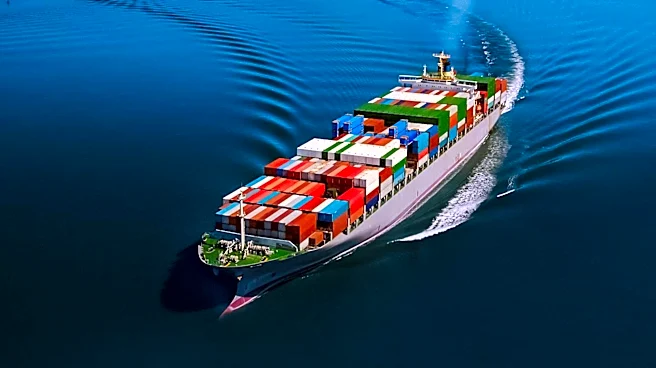
stated objectives, according to senior White House officials including President Trump, include ending Iran's nuclear program and instigating regime change. In response, Iran has targeted U.S. allies with drone and missile strikes and imposed a blockade on the Strait of Hormuz, a critical waterway through which one-fifth of the world's oil and liquefied natural gas shipments passed before the conflict. The U.S. has countered with its own naval blockade of Iranian ships and ports, leading to a stalemate and soaring global energy prices. President Trump urged Americans to accept higher gas prices as a necessary cost for preventing Iran from acquiring nuclear weapons. Iran's Deputy Foreign Minister Kazem Gharibabadi dismissed President Trump's remarks, asserting Iran's continued control over the strategic strait. President Trump also addressed concerns regarding the welfare of service members on the USS Abraham Lincoln, deployed for nine months, denying the deployment was excessive and confirming a replacement vessel.
Why It's Important?
President Trump's declaration, if formally pursued, would represent a significant escalation in the ongoing conflict with Iran and a dramatic challenge to international maritime law. The Strait of Hormuz is a vital global chokepoint for energy shipments, making its status critically important for global energy markets and international trade. Such a unilateral claim could further destabilize the Middle East, potentially leading to direct military confrontations over control of the strait and impacting global supply chains. It underscores the U.S. administration's assertive foreign policy stance and its willingness to take bold, potentially controversial, actions. The rising energy costs directly affect U.S. consumers and the global economy, positioning the conflict and its economic fallout as a key issue in upcoming midterm elections. Iran's immediate rejection of the claim highlights the deep-seated sovereignty disputes and the potential for intensified conflict over this strategic waterway. The discussion around military personnel welfare also brings to light the human cost and logistical challenges of prolonged military engagements.
What's Next?
The immediate next step involves clarifying whether President Trump's remarks constitute a serious policy shift or are primarily rhetorical. If the U.S. proceeds with a formal declaration, it would need to articulate the legal basis for claiming an international strait as U.S. territory, which would likely face significant international opposition and legal challenges. Iran is expected to continue its defiance, maintaining its claims over the strait and potentially escalating its military posture in the region. Global energy markets will remain highly volatile, with continued high gas prices impacting consumers and industries worldwide, and the issue will likely feature prominently in U.S. political discourse, especially leading up to the midterm elections. The U.S. military will maintain its naval presence in the region, with ongoing rotations of assets. International bodies and U.S. allies will likely react to any formal declaration, potentially challenging its legality or expressing concerns about regional stability and the precedent it might set for international maritime law.
Beyond the Headlines
The potential declaration of the Strait of Hormuz as U.S. territory raises profound questions about the future of international law, sovereignty, and freedom of navigation in critical global waterways. Such a move could set a dangerous precedent, encouraging other powerful nations to assert unilateral control over international straits, potentially leading to a breakdown of established maritime norms and increased geopolitical friction. It highlights the tension between national security interests and the existing international legal frameworks, particularly during times of heightened conflict. The rhetoric surrounding the declaration and the justification for higher gas prices also reflects a broader strategy of mobilizing public support for military actions, even when they entail domestic economic sacrifices. Furthermore, the concerns about military personnel welfare during extended deployments underscore the often-overlooked human toll of continuous military engagement and the critical need for robust support systems for service members and their families. This incident could further isolate Iran and solidify its resolve, potentially pushing it towards more aggressive actions or closer alliances with nations hostile to the U.S.