




What's Happening?
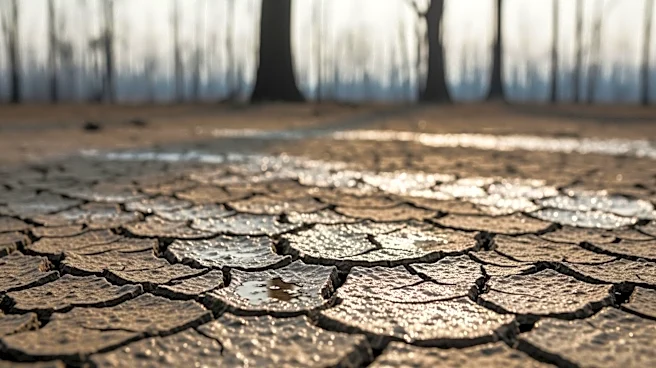
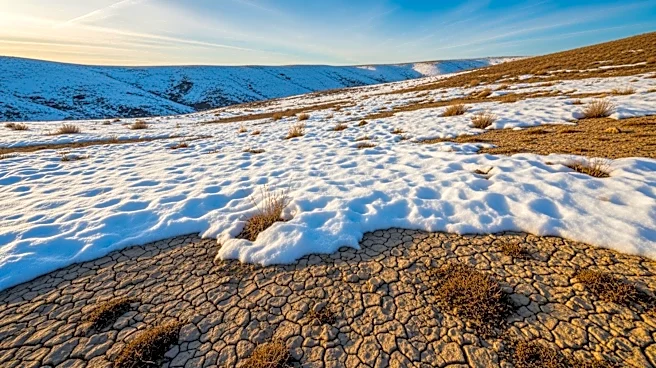
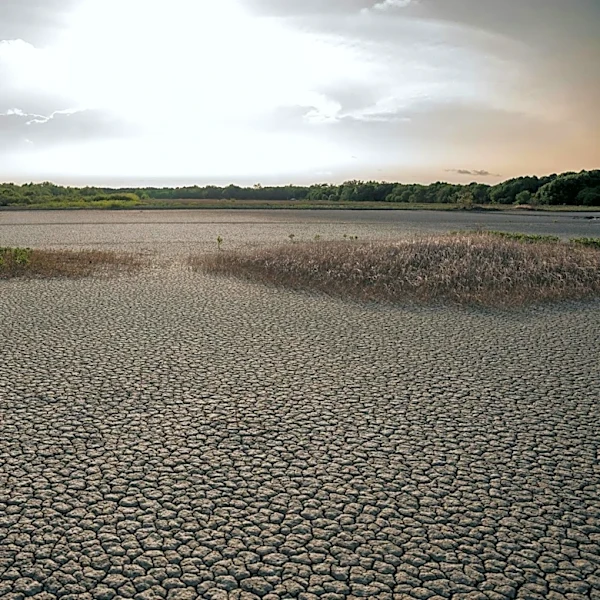
A rare May snowstorm has brought much-needed moisture to Colorado, slightly improving the state's drought conditions. Despite this, experts caution that the snowstorm was not sufficient to end the drought, as extreme conditions persist in many areas.
The snowstorm provided temporary relief, but long-term solutions are needed to address the ongoing water scarcity issues in the region. The drought has affected agriculture, water supply, and the overall ecosystem, highlighting the need for sustainable water management practices.
Why It's Important?
The slight improvement in Colorado's drought conditions is a reminder of the ongoing challenges posed by water scarcity in the region. Droughts can have severe economic impacts, particularly on agriculture, which relies heavily on consistent water supply. The situation underscores the importance of developing sustainable water management strategies to ensure long-term water security. Policymakers and stakeholders must work together to implement measures that can mitigate the effects of drought and support affected communities.
What's Next?
Efforts to address Colorado's drought conditions will likely focus on enhancing water conservation practices and exploring alternative water sources. State and local governments may need to invest in infrastructure improvements to better manage water resources. Additionally, public awareness campaigns could encourage residents to adopt water-saving habits. Continued monitoring of weather patterns and climate trends will be essential to anticipate future droughts and develop effective response strategies.