


What's Happening?
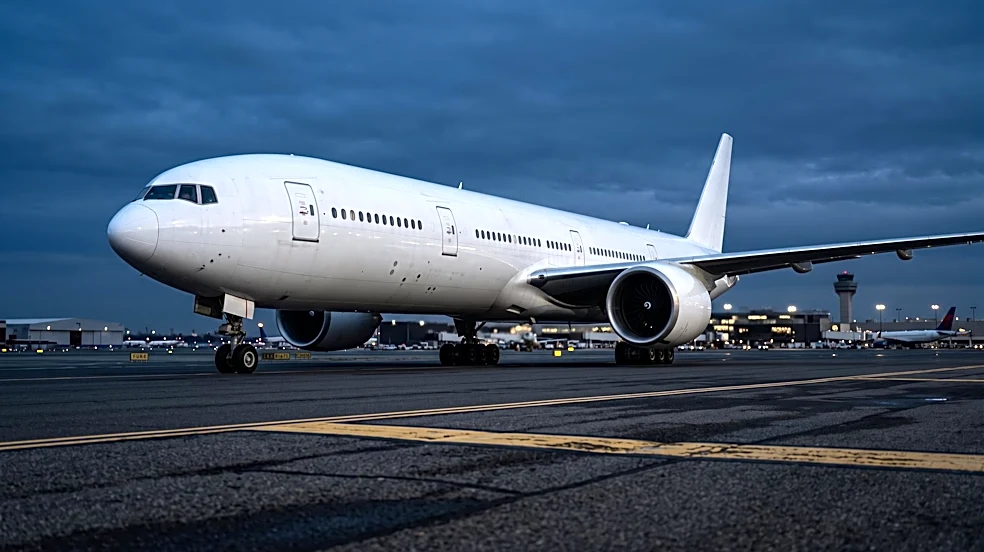
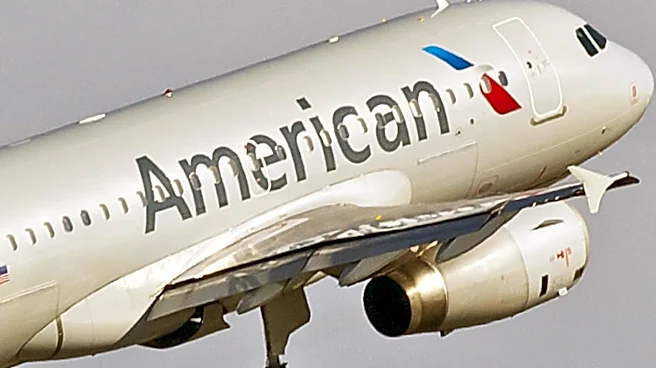
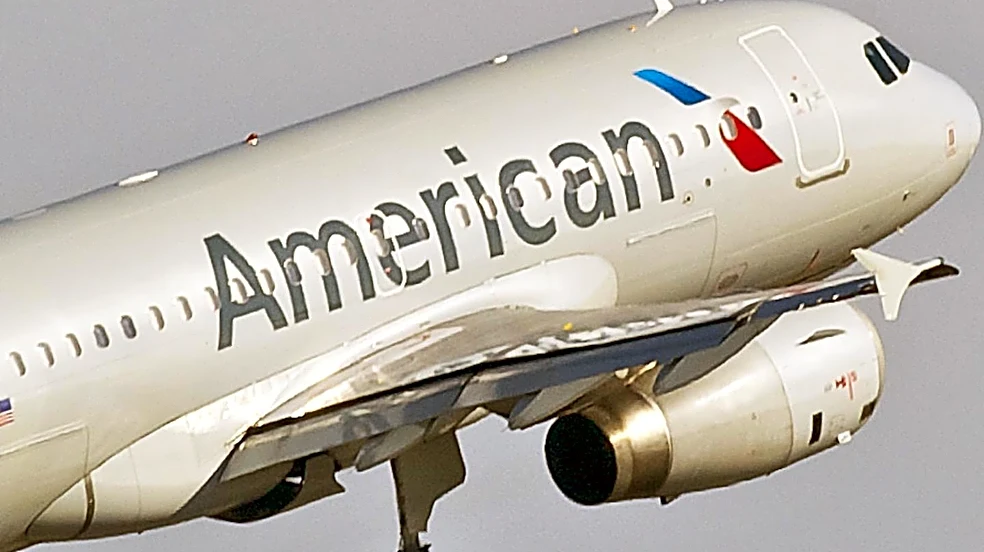
An American Airlines flight, number 618, was forced to make an emergency return to Chicago's O'Hare International Airport on Friday afternoon after smoke was detected in the cabin. The flight, which was bound for Dallas Fort Worth International Airport,
returned to Chicago around 12:30 p.m. The airline reported that the smoke originated from a trash can in the galley. No fire extinguisher was used, and no additional issues were reported beyond the initial smoke detection. The Federal Aviation Administration (FAA) has confirmed the incident and stated that it remains under investigation. Further details regarding the cause of the smoke and the full extent of the incident are pending the FAA's ongoing inquiry.
Why It's Important?
This incident highlights the critical importance of aviation safety protocols and the swift response capabilities of flight crews and air traffic control. While the source of the smoke was identified as a trash can and no fire extinguisher was needed, any smoke in an aircraft cabin is a serious safety concern that necessitates immediate action. For U.S. air travelers, such events underscore the rigorous safety measures in place, even when they result in significant travel disruptions. The FAA's investigation will aim to determine the exact cause and ensure that all safety procedures were followed and, if necessary, improved. This event can also impact passenger confidence, as safety is a paramount concern for the flying public. Airlines continuously work to maintain high safety standards, and incidents like this serve as reminders of the inherent complexities and potential risks in air travel, even for seemingly minor issues.
What's Next?
The FAA's investigation into the incident is ongoing, and its findings will be crucial in understanding the precise cause of the smoke and any contributing factors. American Airlines will likely conduct its own internal review to assess its procedures and equipment. Depending on the investigation's outcome, there could be recommendations for changes in maintenance protocols, crew training, or galley equipment design to prevent similar occurrences. For passengers on the affected flight, American Airlines would have made arrangements for rebooking and onward travel to Dallas Fort Worth. The broader implications for air travel safety will depend on whether the incident reveals any systemic issues or if it is determined to be an isolated event. The airline industry and regulatory bodies will continue to monitor and adapt safety measures based on such incidents to maintain the highest possible standards.
Beyond the Headlines
Beyond the immediate safety concerns, this incident touches upon the broader operational challenges faced by airlines and the psychological impact on passengers. Even a minor event like smoke from a trash can can trigger significant anxiety among those on board, leading to a loss of trust in the travel experience. For airlines, such incidents, regardless of their severity, incur operational costs due to diversions, delays, and rebooking, impacting their efficiency and profitability. It also highlights the constant vigilance required from flight crews, who are trained to handle a wide range of emergencies. The FAA's role in investigating such events is crucial for maintaining public confidence in air travel safety, ensuring that lessons are learned and applied across the industry. This incident, while resolved without major harm, serves as a stark reminder of the complex interplay of human factors, mechanical systems, and regulatory oversight that underpins the safety of every flight.