




What's Happening?
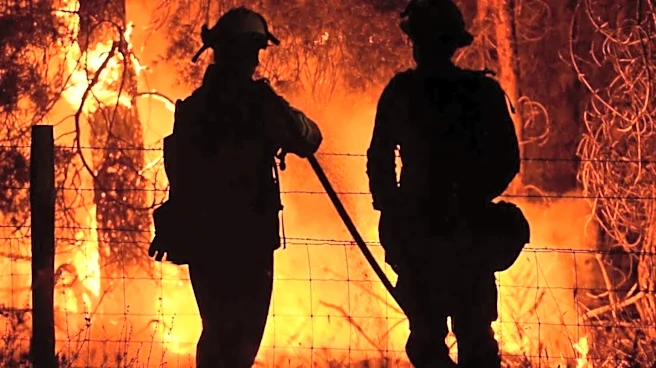
Connecticut, while not typically a high wildfire-risk state, can experience significant wildfire activity during periods of dry weather, drought, and high winds. Even small brush or forest fires have the potential to spread rapidly, posing risks to homes,
businesses, and families. Wildfire impacts can include smoke, reduced air quality, evacuation orders, and property damage. Fires originating in neighboring states can also affect Connecticut through smoke and regional air quality degradation. The Connecticut Insurance Department's 'Be Weather Ready CT' initiative aims to educate residents on understanding their risk, preparing for wildfire conditions, and leveraging insurance to protect their homes and finances.
Why It's Important?
Although Connecticut is not traditionally considered a high-risk wildfire state, the potential for rapid fire spread during dry and windy conditions underscores the importance of proactive preparedness. The impacts, ranging from property damage to reduced air quality, can have significant health and economic consequences for residents and businesses. The 'Be Weather Ready CT' program is crucial for empowering individuals to mitigate risks and understand their insurance coverage, which can vary widely. This initiative helps ensure that communities are not caught off guard by events that, while less frequent, can be highly destructive. Effective preparedness can reduce the burden on emergency services and minimize financial losses for homeowners and the state.
What's Next?
The Connecticut Insurance Department encourages residents to review their insurance policies carefully and consult with their insurers or agents regarding wildfire coverage. Key considerations include whether homeowners insurance covers wildfire-related losses and smoke damage, as coverage can vary. The department also advises residents to check their individual risk levels and take steps to prepare before wildfire conditions intensify. This includes understanding what actions to take before and after wildfire events, as outlined in their preparedness checklist. The ongoing focus is on educating the public about the potential for brush fires and dry-condition fire risks, even in a state not typically associated with large-scale wildfires.
Beyond the Headlines
The emphasis on preparedness in Connecticut, despite its lower wildfire risk compared to other regions, highlights a growing national awareness of the widespread potential for fire events, especially with changing climate patterns. This proactive approach acknowledges that even seemingly low-risk areas can be vulnerable under specific environmental conditions. The focus on insurance coverage and risk assessment points to the increasing financial implications of natural disasters and the need for individuals to understand their responsibilities and protections. This also suggests a broader trend towards integrating climate resilience into state-level public safety and consumer protection initiatives, encouraging a more comprehensive approach to disaster readiness.