






What's Happening?
A private surveillance network in California, built on tow trucks equipped with cameras, has scanned over nine billion license plates. This network, operated by Digital Recognition Network (DRN), captures images of license plates, timestamps, and locations,
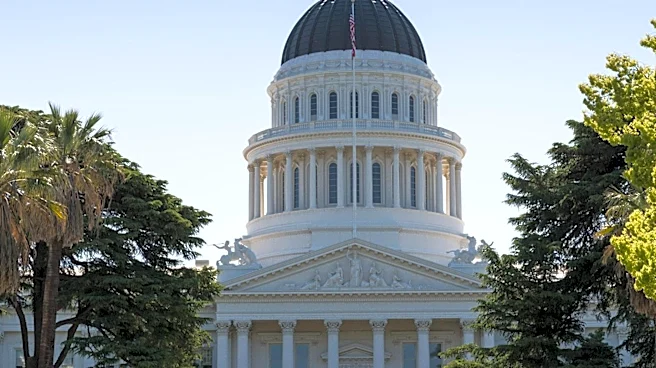
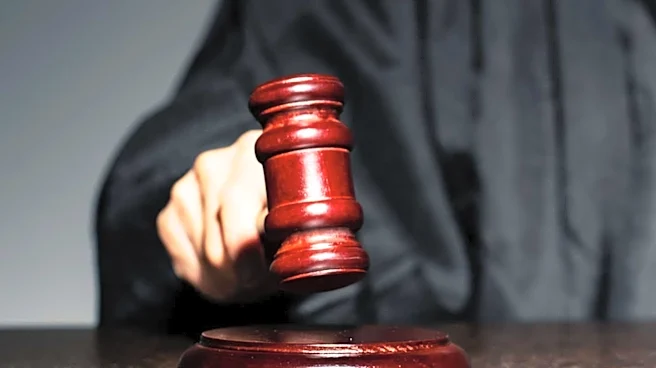
storing them in a private database. The California Court of Appeal recently ruled that this practice is permissible, dismissing a lawsuit by Guillermo Mata who argued that his privacy was violated by the scans. The court found that Mata lacked standing to sue as he could not demonstrate concrete harm from the surveillance. The ruling highlights a broader issue where private companies have significant leeway in using such data, as the state's Automated License Plate Recognition statute primarily imposes paperwork requirements rather than substantive restrictions on private operators.
Why It's Important?
The court's decision underscores a significant shift in privacy law, where the mere act of surveillance is not considered harmful unless it results in tangible damage, such as identity theft or financial loss. This ruling could have far-reaching implications for privacy rights, as it allows private companies to continue collecting and monetizing data without the need for consent or a warrant. The decision may embolden other private entities to expand similar surveillance practices, potentially leading to increased tracking of individuals without their knowledge. This raises concerns about the balance between commercial interests and individual privacy rights, as well as the potential misuse of collected data.
What's Next?
The ruling may prompt further legal challenges and legislative efforts to address the privacy implications of such surveillance networks. Privacy advocates might push for stricter regulations to limit the collection and use of license plate data by private companies. Additionally, there could be increased public scrutiny and debate over the ethical and legal dimensions of private surveillance, especially as technology continues to advance. Stakeholders, including lawmakers and civil rights organizations, may seek to redefine the legal standards for privacy violations to better protect individuals from unwarranted surveillance.
Beyond the Headlines
The case highlights the blurred lines between government and private surveillance, as private companies often operate with fewer restrictions than public agencies. This situation raises ethical questions about accountability and transparency in data collection practices. The potential for misuse of surveillance data, such as tracking individuals for non-criminal purposes, poses a significant risk to personal privacy. The development also reflects a broader trend of increasing surveillance driven by technological advancements and commercial interests, which may lead to long-term shifts in societal norms regarding privacy and data security.