








What's Happening?
Jaime Ernesto Alvarez-Gonzalez, a 53-year-old undocumented Mexican citizen, has pleaded guilty to impersonating a U.S. Border Patrol agent in Southern California. According to federal prosecutors, Alvarez-Gonzalez admitted to following immigration officers
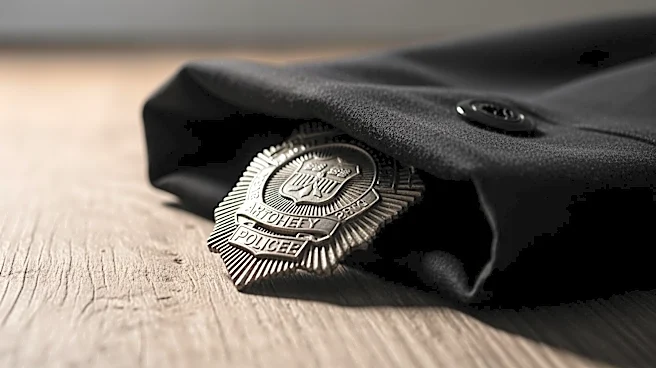
to disrupt deportation operations. He was charged with one count of impersonating a federal agent and three counts of illegal firearm possession. Alvarez-Gonzalez, who overstayed his tourist visa decades ago, faces a maximum sentence of 18 years in prison and fines up to $500,000. The incident involved Alvarez-Gonzalez driving a vehicle resembling those used by undercover agents, complete with a misspelled 'federal truck' license plate frame and a Border Patrol sticker. He was also dressed in attire similar to that of a Border Patrol agent. His actions led to a federal agent diverting from a mission for safety reasons. Alvarez-Gonzalez was arrested on January 14 due to his immigration status and was found with an FBI badge and illegal firearms.
Why It's Important?
This case highlights ongoing concerns about the impersonation of law enforcement officers, which can undermine public trust and safety. The actions of Alvarez-Gonzalez not only disrupted federal operations but also raised significant civil liberties issues. The use of plainclothes officers in immigration enforcement has been controversial, with critics arguing it can lead to abuses of power and accountability issues. This environment may embolden individuals to impersonate officers, as seen in this case. The legal consequences faced by Alvarez-Gonzalez serve as a deterrent to similar actions and underscore the importance of maintaining the integrity of law enforcement operations.
What's Next?
Alvarez-Gonzalez awaits sentencing, where he could face up to 18 years in prison. The case may prompt further scrutiny of immigration enforcement practices, particularly the use of plainclothes officers. It could also lead to discussions on improving identification and accountability measures for law enforcement to prevent impersonation. Civil rights groups may continue to advocate for transparency and oversight in immigration enforcement to protect due process rights.
Beyond the Headlines
The broader implications of this case touch on the intersection of immigration policy and civil liberties. The impersonation of federal agents can exacerbate tensions between immigrant communities and law enforcement, potentially leading to increased fear and mistrust. This incident may also influence future policy discussions on immigration enforcement tactics and the balance between security and civil rights.