






What's Happening?
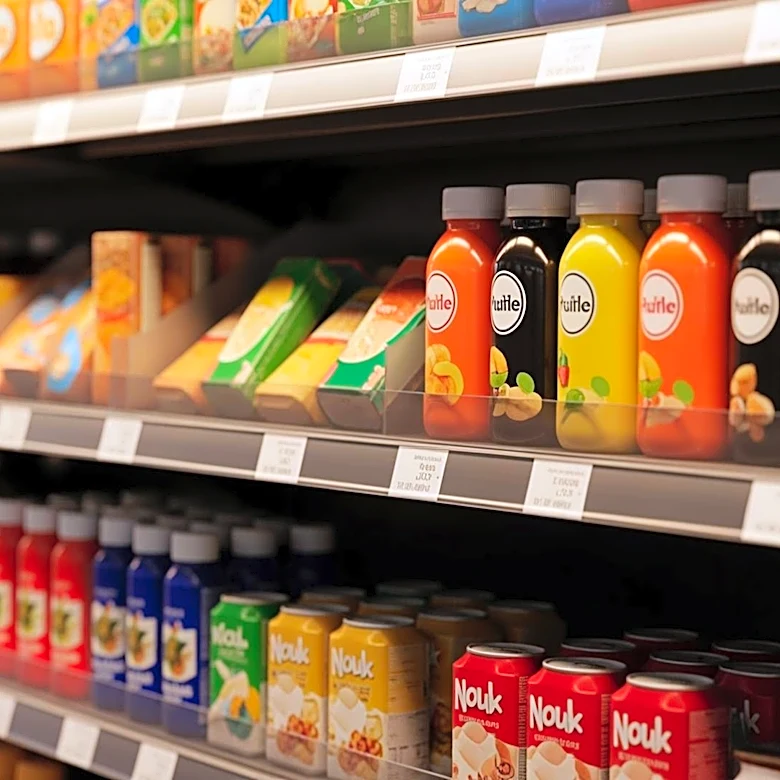
The United Nations has reported a significant increase in global food prices, driven by the ongoing conflict in the Middle East. According to the UN's Food and Agriculture Organization, the food commodity price index rose by 2.4% in March, marking the second
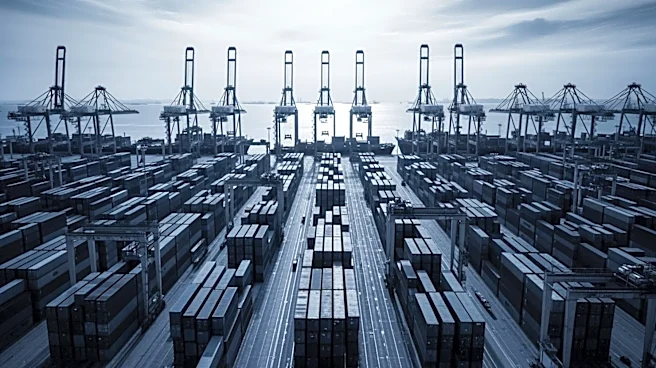
consecutive monthly increase. The most notable price hikes were seen in vegetable oil and sugar, which increased by 5% and 7% respectively. The conflict has led to higher energy costs, affecting freight and production expenses worldwide. The closure of the Strait of Hormuz, a critical shipping channel, has further exacerbated the situation, impacting fertilizer production and distribution. The UN projects that if the crisis continues, global food prices could rise by 15% to 20% in the first half of 2026.
Why It's Important?
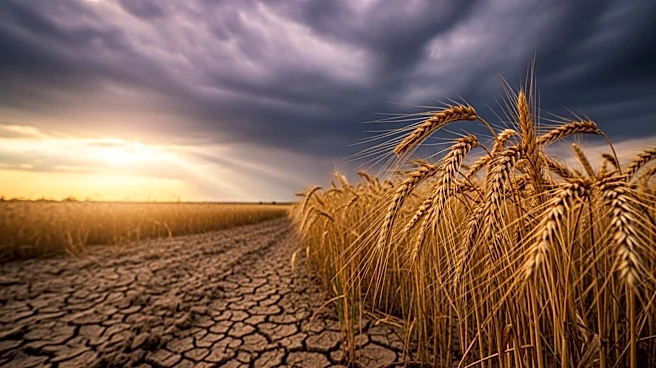
The rise in food prices has significant implications for global economies, particularly affecting countries reliant on imports. Higher food costs can lead to increased inflation, impacting consumer purchasing power and economic stability. The closure of the Strait of Hormuz disrupts fertilizer supply chains, which are crucial for agricultural productivity. This situation could lead to food shortages and increased prices, affecting both producers and consumers. The ongoing conflict in the Middle East poses a threat to global food security, with potential long-term impacts on international trade and economic relations.
What's Next?
If the conflict persists, countries may need to explore alternative supply routes and sources for essential commodities like fertilizer. Governments might implement policies to mitigate the impact of rising food prices on consumers, such as subsidies or price controls. International diplomatic efforts could be intensified to resolve the conflict and reopen critical shipping channels. The UN and other international organizations may increase their focus on food security initiatives to support affected regions.