






What's Happening?
Richmond city officials have announced the resumption of tax auctions for delinquent properties, a program that was paused during the COVID-19 pandemic. Chief Administrative Officer Odie Donald II stated that 85 properties have been identified, and owners
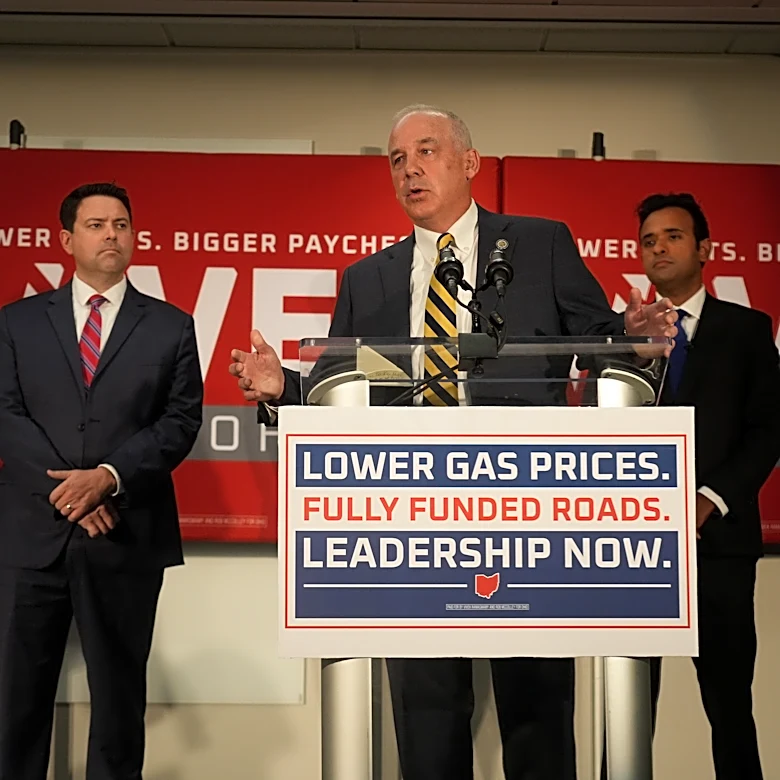
will be notified in November that they must pay back taxes or face auction. The initial focus will be on blighted and vacant lots, as well as properties owned by LLCs. Mayor Danny Avula emphasized that this reinstatement is part of a broader effort to enforce tax collection, aiming to encourage more residents to enter payment plans and generate increased tax revenue. The auctions themselves will not occur immediately due to a lengthy legal process required by state law, with officials hoping the first properties will either settle their debts or go to auction by next summer. This initiative was a priority outlined in Donald's 100-day report, highlighting the need for coordinated efforts across city departments and clear communication.
Why It's Important?
The resumption of tax auctions in Richmond signifies a shift towards more stringent tax enforcement, which could have significant implications for property owners and the city's financial health. For property owners with delinquent taxes, particularly those with blighted or vacant lots and LLC-owned properties, this means increased pressure to settle their debts. The city's emphasis on "enforcement with compassion" suggests a dual approach of collection and support for homeowners, aiming for compliance rather than displacement. This move is expected to boost municipal tax revenue, which can be reinvested into city services and infrastructure. Historically, such enforcement actions have led to a rise in payment plans and overall tax collection, contributing to the city's financial stability. The initiative also reflects Mayor Avula's commitment to fulfilling campaign promises focused on improving basic government functions and financial management.
What's Next?
Property owners of the identified 85 delinquent properties will receive notifications in November, informing them of the requirement to pay back taxes or risk auction. Following these notifications, a lengthy legal process will commence, as mandated by state law, before any auctions can take place. City officials anticipate that the first properties will either resolve their debts or proceed to auction by next summer. The program is expected to expand over time as the city enhances its capacity for tax enforcement. Officials have indicated a willingness to work with homeowners who are behind on their taxes, suggesting that payment plans and other support mechanisms will be available. The success of this program will likely be measured by its ability to increase tax compliance and revenue without leading to widespread displacement of homeowners, particularly those facing financial hardship.
Beyond the Headlines
This policy change in Richmond highlights the complex balance between municipal revenue generation and social equity. While the city aims to improve its financial standing and address blight through tax enforcement, there are underlying ethical and social considerations. The focus on blighted properties and LLCs suggests an attempt to target neglectful owners, but the broader impact on individual homeowners, especially those struggling financially, remains a concern. The phrase "enforcement with compassion" underscores the city's awareness of these sensitivities, implying a need for robust support systems to prevent displacement. This initiative could also set a precedent for other U.S. cities grappling with similar issues of delinquent property taxes and urban blight, potentially influencing how local governments approach financial recovery and community development in the post-pandemic era. The long-term success will depend on transparent processes and equitable application of the law.