
What's Happening?
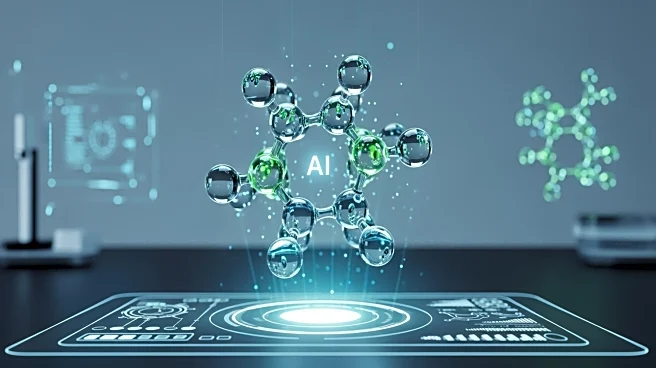
The clinical diagnostics industry is poised for significant advancements by 2026, driven by the integration of artificial intelligence (AI) and structural biology. This integration is expected to enhance
the accuracy of patient response predictions to therapies and support the development of next-generation diagnostic tools. The trend towards patient-driven diagnostics is also gaining momentum, with the miniaturization of diagnostic technologies enabling more at-home testing solutions. This shift is accompanied by challenges such as ensuring data privacy, test accuracy, and the need for updated ethical guidelines. Additionally, the industry is witnessing increased connectedness, with data from patient wearables being integrated with clinical testing, creating opportunities for comprehensive multi-omics diagnostics. However, this connectedness also introduces vulnerabilities, such as data privacy concerns and the concentration of data within a few technology providers.
Why It's Important?
The integration of AI and structural biology in clinical diagnostics holds the potential to revolutionize how diseases are detected and managed, offering more personalized and accurate diagnostic insights. This could lead to improved patient outcomes and expanded access to healthcare. The trend towards at-home testing empowers patients but also necessitates careful management to maintain the quality and reliability of diagnostics. The industry's focus on multi-cancer detection, despite existing challenges, underscores the potential for early cancer detection and improved survival rates. However, the concentration of data and AI capabilities within a few providers raises sustainability and security concerns, highlighting the need for robust data management and privacy measures.
What's Next?
As the clinical diagnostics industry continues to evolve, stakeholders must navigate the challenges of integrating new technologies while ensuring data security and privacy. The focus on multi-cancer detection will likely persist, with companies investing in overcoming reimbursement and infrastructure hurdles. The industry must also address the complexities of interpreting patient-driven diagnostic results and providing appropriate follow-up care. Strategic collaborations and adaptability will be crucial for healthcare professionals to harness the potential of these innovations and improve patient care.