






What's Happening?
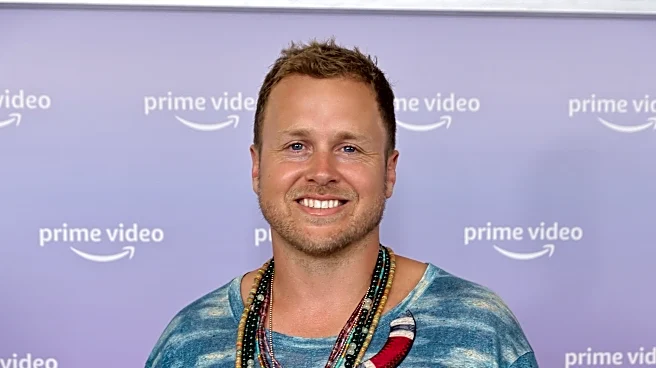
Lisa Rinna, a former star of 'Real Housewives of Beverly Hills,' has publicly stated her opposition to Spencer Pratt's candidacy for mayor of Los Angeles. Pratt, known for his role on 'The Hills,' has received endorsements from notable figures such as Joe
Rogan, President Trump, and Paris Hilton. However, Rinna expressed her belief that reality TV stars are not suited for political leadership. During an interview at the American Music Awards, Rinna, wearing a tie featuring John F. Kennedy's face, emphasized her stance by saying, 'I’m sorry, I love him but we’ve already done that. We’re not gonna do that again.' She further added, 'Listen, I’m a reality person. You wouldn’t want me as mayor.' Rinna's comments highlight her skepticism about the effectiveness of reality TV personalities in political roles.
Why It's Important?
Rinna's remarks underscore a broader debate about the qualifications necessary for political office, particularly in an era where celebrity status can significantly influence public perception and electoral outcomes. The endorsements Pratt has received from high-profile figures suggest a growing trend where entertainment personalities leverage their fame to enter politics. This raises questions about the impact of celebrity culture on democratic processes and the criteria voters use to evaluate candidates. Rinna's opposition reflects concerns that the skills and experiences gained in reality television may not translate effectively to governance, potentially affecting policy decisions and public administration.
What's Next?
As the mayoral race in Los Angeles progresses, it will be crucial to observe how Pratt's candidacy is received by the electorate and whether his celebrity endorsements translate into voter support. The reaction from the public and other political figures could influence the dynamics of the race, potentially prompting discussions about the role of celebrity in politics. Additionally, Rinna's comments may encourage other public figures to voice their opinions, further shaping the narrative around Pratt's campaign and the qualifications deemed necessary for political leadership.