






What's Happening?
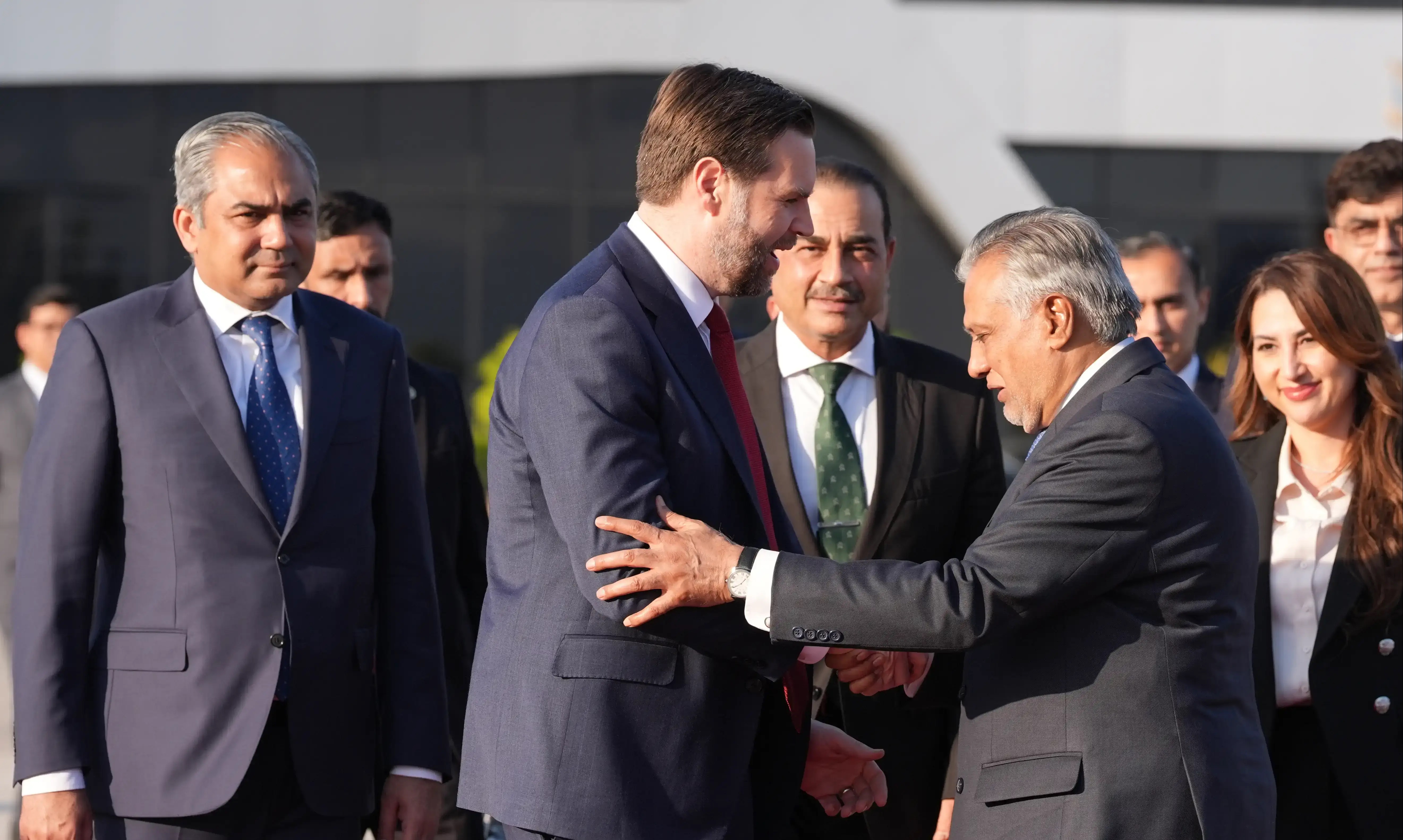
U.S. Vice President J.D. Vance announced that negotiations between the United States and Iran concluded without reaching a peace agreement. The talks, which lasted 21 hours, were aimed at securing a commitment from Iran not to develop nuclear weapons.
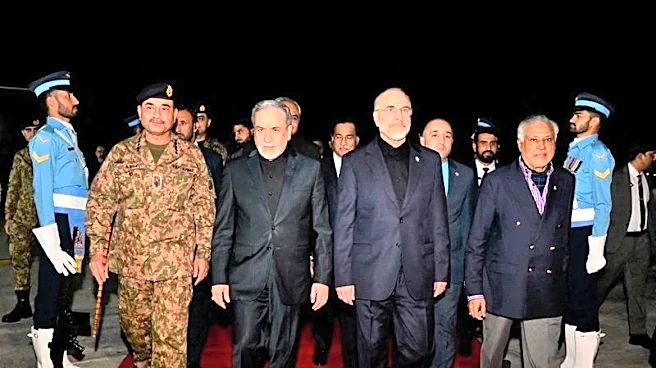
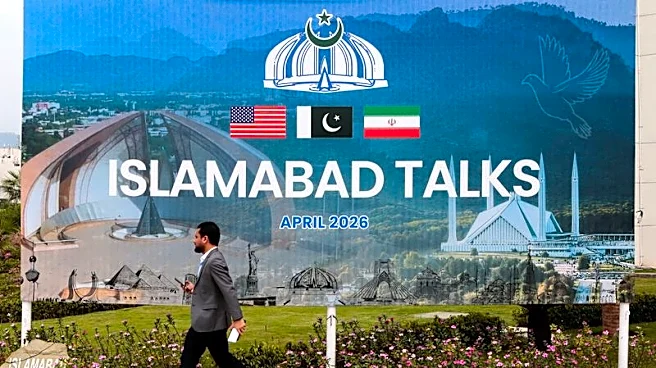
Despite the efforts, Iran refused to accept the terms proposed by the U.S. The discussions took place in Islamabad, Pakistan, following a fragile two-week ceasefire in a conflict that has resulted in thousands of deaths and significant global market disruptions. Vice President Vance was in constant communication with President Trump and other key U.S. officials during the negotiations. The U.S. delegation, led by Vance, presented a final proposal to Iran, which remains under consideration.
Why It's Important?
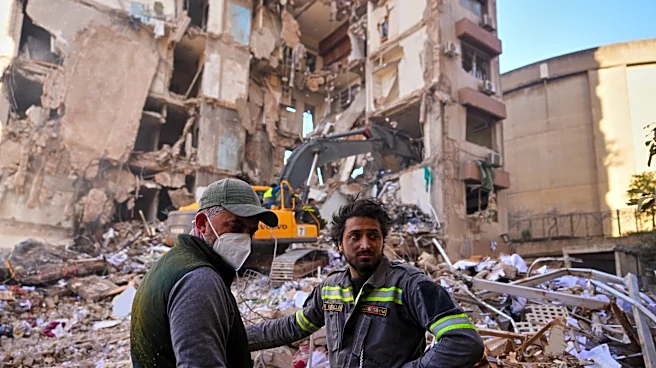
The failure to reach an agreement in the U.S.-Iran talks highlights ongoing tensions over nuclear proliferation and regional stability. The conflict has already caused significant casualties and economic disruptions, particularly affecting global oil markets due to Iran's control over the Strait of Hormuz. The inability to secure a peace deal could lead to further escalation, impacting international relations and economic stability. The situation underscores the challenges in diplomatic negotiations involving nuclear capabilities and regional power dynamics, with potential implications for U.S. foreign policy and security strategies.
What's Next?
Following the inconclusive talks, the U.S. has indicated that it will continue efforts to clear the Strait of Hormuz, a critical passage for global oil shipments. The ceasefire's future remains uncertain, with potential for renewed hostilities if no agreement is reached. The U.S. and Iran may engage in further negotiations, possibly involving other regional and international stakeholders. The situation is likely to draw continued attention from global powers, with potential diplomatic and military responses being considered.