



What's Happening?
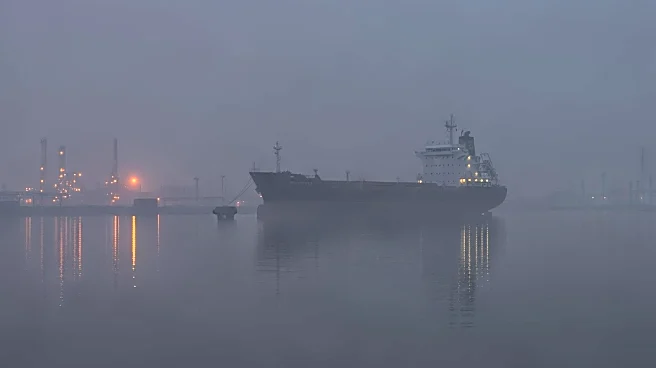
Amnesty International has reported that Myanmar's military is using 'ghost ships' to import aviation fuel, which is then used for air attacks in the country's ongoing civil conflict. These ships reportedly turn off their Automatic Identification System
(AIS) to avoid detection. The report indicates that Myanmar imported over 109,000 tonnes of aviation fuel in 2025, marking a significant increase from the previous year. The military's actions have resulted in numerous civilian casualties, with over 7,700 civilians killed since the military coup in 2021.
Why It's Important?
The use of 'ghost ships' to evade sanctions highlights the challenges in enforcing international sanctions and the lengths to which Myanmar's military will go to sustain its operations. This development raises concerns about the effectiveness of current sanctions and the need for more robust international measures to prevent further civilian harm. The situation also underscores the role of major allies like Russia and China in supporting Myanmar's military, complicating international diplomatic efforts.
What's Next?
International bodies and human rights organizations may push for stricter enforcement of sanctions and increased monitoring of maritime activities to prevent further fuel imports. There could be calls for additional sanctions targeting entities involved in the supply chain. The international community may also seek to engage with Myanmar's allies to address their support for the military regime.