



What's Happening?
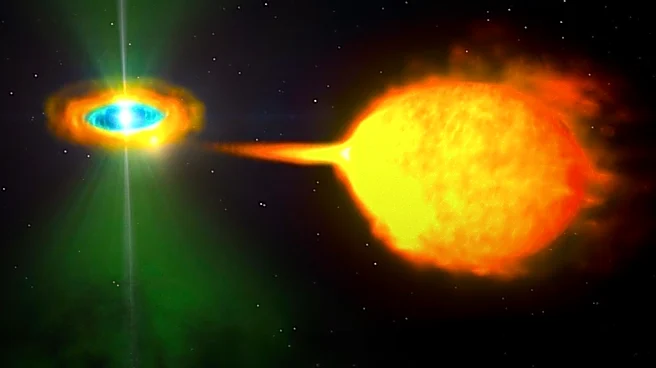
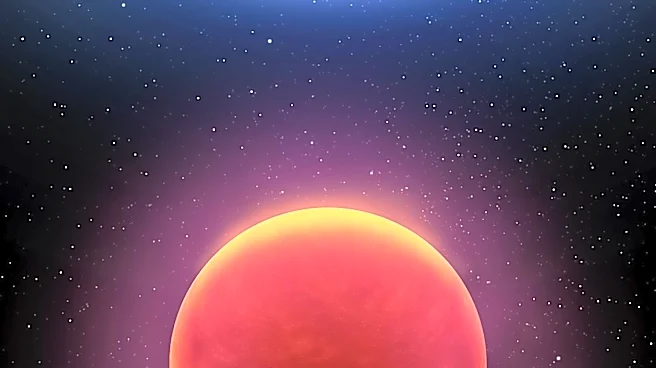
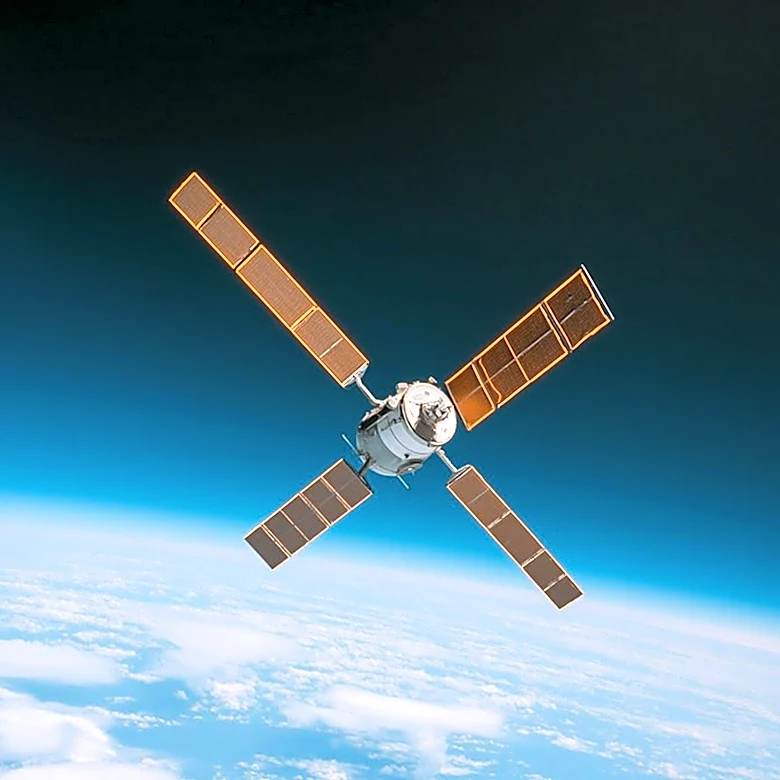
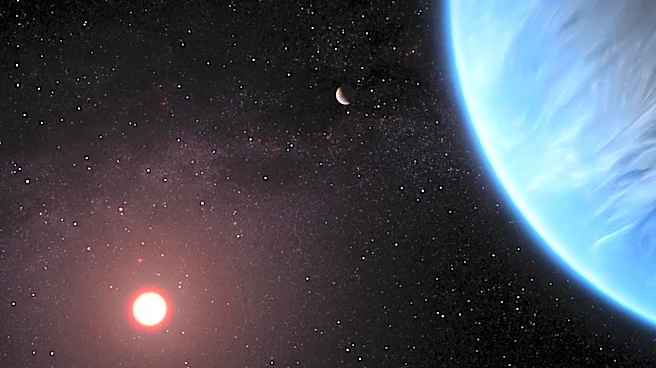
Astronomers have confirmed the existence of four white dwarfs within 65 light-years of Earth, previously hidden by the glare of their red dwarf companions. This discovery was made possible through ultraviolet observations from the Hubble Space Telescope,
which allowed researchers to distinguish the faint remnants from the brighter stars. The study, led by the University of Warwick and the University of Colorado Boulder, was published in the Monthly Notices of the Royal Astronomical Society. One of these white dwarfs, part of the G 203-47 system, is now recognized as the ninth closest white dwarf to the Sun. The findings highlight the challenges in detecting such stellar remnants due to the masking effect of their brighter companions.
Why It's Important?
The confirmation of these white dwarfs is significant for understanding the local stellar population and the dynamics of binary star systems. It suggests that there may be more hidden white dwarfs in our cosmic neighborhood, which could impact models of stellar evolution and density estimates of white dwarfs in the galaxy. This discovery also underscores the importance of using different wavelengths, such as ultraviolet, to uncover celestial objects that are otherwise obscured in visible light. The findings could lead to a reevaluation of the number of white dwarfs in the vicinity of the Sun, potentially affecting our understanding of the lifecycle of stars similar to our own.
What's Next?
Further observations and data from missions like Gaia are expected to reveal more hidden binary systems. Researchers anticipate that additional targeted studies of red dwarfs could uncover more white dwarfs, refining the census of nearby stellar remnants. The upcoming data releases from Gaia will provide precise motions for local red dwarfs, likely identifying more such systems. This ongoing research will continue to refine our understanding of the local stellar environment and the processes that govern the formation and evolution of binary star systems.