









What's Happening?
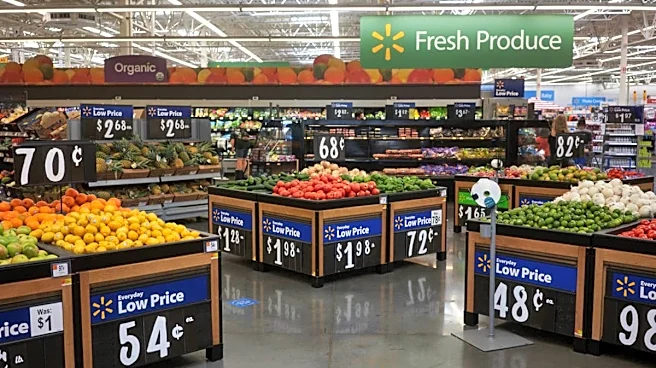
California's Senate Bill 54, a new recycling measure, is poised to increase grocery prices as it enters its first phase of implementation. The law mandates that manufacturers are financially responsible for the packaging they sell, aiming to reduce landfill
waste. This includes impact fees on products and a requirement to phase out non-recyclable packaging. The dairy industry is expected to be significantly affected due to its reliance on packaging that does not meet the new standards. While CalRecycle estimates a modest annual cost increase for households, the dairy sector warns of potential business closures or relocations. The law is facing legal challenges from a coalition of 17 Republican-led states and environmental groups, each arguing different aspects of the law's implementation.
Why It's Important?
The implementation of SB 54 could have significant economic implications for California's consumers and businesses. By shifting the financial burden of packaging waste from taxpayers to manufacturers, the law aims to promote sustainable practices. However, the increased costs could lead to higher grocery prices, affecting consumer spending and potentially leading to economic strain for lower-income households. The dairy industry's concerns highlight the challenges of balancing environmental goals with industry-specific needs. The legal challenges could delay or alter the law's implementation, impacting its effectiveness and the state's environmental objectives.
What's Next?
As the law takes effect, businesses will need to adapt to the new requirements, potentially leading to innovations in packaging. The legal challenges could result in modifications to the law, depending on court rulings. Stakeholders, including environmental groups and industry representatives, will likely continue to negotiate the law's terms to address specific concerns. The outcome of these legal battles and the law's impact on consumer prices will be closely monitored by policymakers and industry leaders.