





What's Happening?
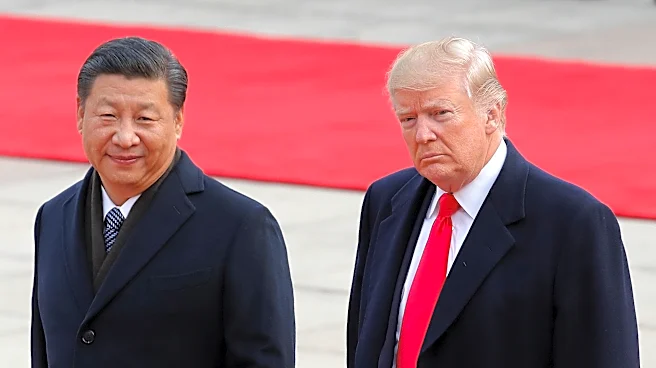
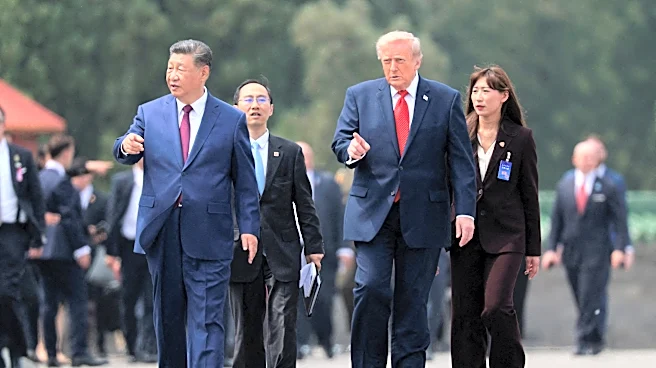
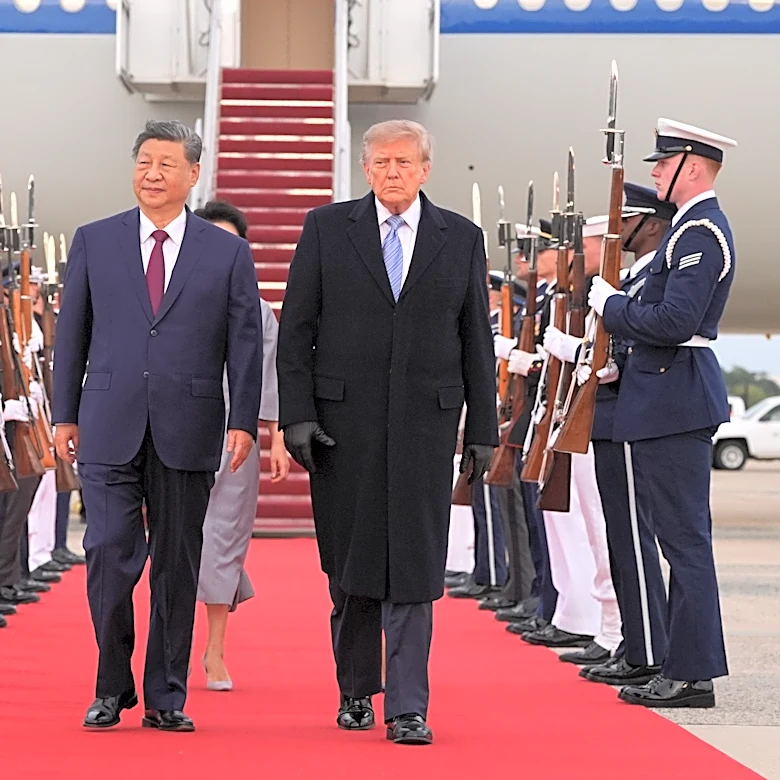
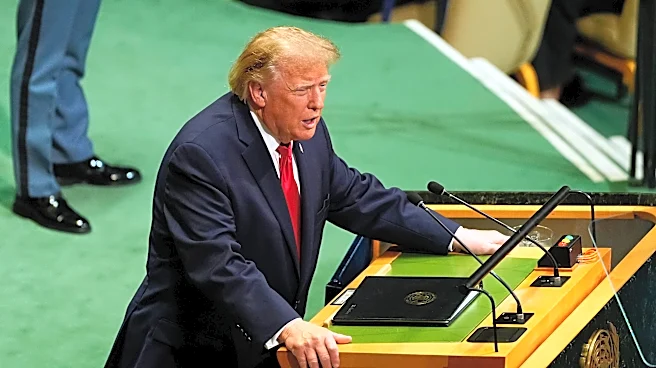
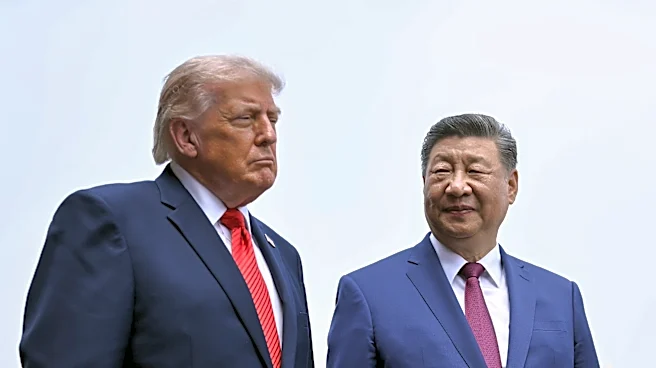
Senator Roger Wicker, Chairman of the Senate Armed Services Committee, has voiced strong disapproval regarding President Trump's intention to provide a 'lavish welcome' for Chinese President Xi Jinping during his upcoming visit to the U.S. Senator Wicker, a Republican
from Mississippi, stated that if asked for advice, he would have recommended against such a ceremonial reception given the numerous troubling issues associated with President Xi and the Chinese Communist Party. He characterized President Xi as a 'brutal, unelected, and oppressive dictator' who aims to dominate neighboring countries and whose military arsenal is directed at the United States. Wicker highlighted concerns such as China's support for Iran, the persecution of over a million Uyghur Muslims in Xinjiang, and the oppression of various religious groups. He urged President Trump to use the bilateral summit as an opportunity to advocate for the Uyghur people and inquire about China's significant military buildup and its intelligence sharing with Iran, which reportedly led to the deaths of American troops.
Why It's Important?
Senator Wicker's public criticism underscores a significant divergence in approach within U.S. political circles regarding diplomatic engagement with China. His remarks reflect a growing sentiment among some U.S. lawmakers that human rights abuses and aggressive geopolitical actions by China should take precedence over ceremonial pleasantries in international relations. This stance could influence future U.S. foreign policy decisions, potentially leading to a more confrontational or conditional approach to diplomatic engagements with nations perceived as authoritarian. The emphasis on China's military expansion and support for Iran also highlights concerns about global security and the protection of U.S. interests abroad. The call to advocate for the Uyghur people and other persecuted groups brings human rights to the forefront of the U.S.-China dialogue, potentially increasing pressure on the Trump administration to address these issues more forcefully during the summit. This could also impact public perception of the U.S. government's commitment to human rights on the international stage.
What's Next?
President Trump is expected to proceed with the meeting with Chinese President Xi Jinping, where discussions on trade and artificial intelligence are anticipated. Senator Wicker acknowledged the importance of these topics and expressed hope for some progress. However, the senator's strong statements suggest that there will be continued scrutiny from Congress regarding the outcomes of the summit, particularly concerning human rights and geopolitical issues. It is likely that congressional leaders will monitor whether President Trump raises the concerns highlighted by Wicker, such as the treatment of Uyghur Muslims and China's military activities. The nature of the welcome and the tone of the discussions could set a precedent for future U.S.-China relations, potentially influencing legislative actions or further diplomatic pressures from the U.S. government. The administration's response to these congressional concerns will be closely watched by both domestic and international observers.
Beyond the Headlines
Senator Wicker's remarks delve into the deeper ethical and strategic dilemmas inherent in U.S. foreign policy when engaging with powerful, yet authoritarian, nations. The debate over a 'lavish welcome' versus a more reserved, issue-focused meeting reflects a fundamental tension between diplomatic protocol and the imperative to uphold democratic values and human rights. This situation highlights the challenge of balancing economic and strategic interests, such as trade and artificial intelligence, with moral obligations to address human rights abuses and geopolitical aggression. The senator's insistence on remembering President Xi's characterization as a 'brutal, unelected, and oppressive dictator' during every minute of dialogue suggests a call for a more principled and less transactional approach to international relations. This perspective could contribute to a broader re-evaluation of how the U.S. engages with non-democratic regimes, potentially leading to long-term shifts in diplomatic strategies that prioritize values alongside national interests.