








What's Happening?
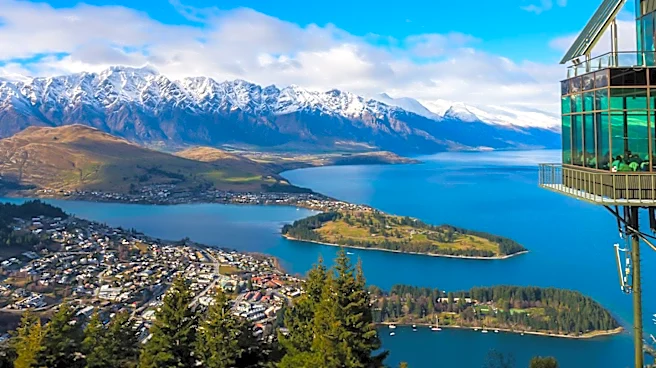
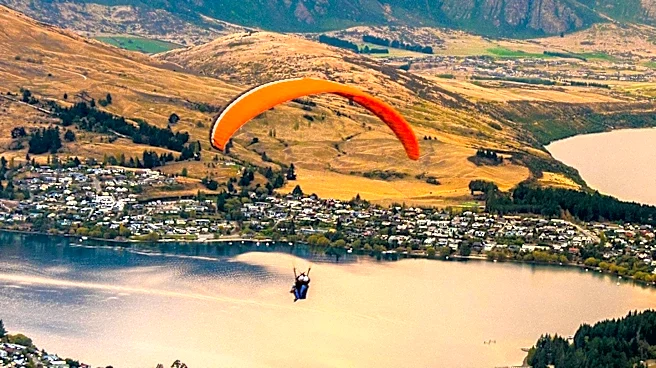
Queenstown, New Zealand, is recognized as a premier destination for both adventure sports and relaxed leisure activities. The city, often dubbed the 'adventure capital of the world,' provides a wide array of experiences, from commercial bungy jumping
at Kawarau Bridge and jet boating on the Shotover River to world-class mountain biking and the Skyline Gondola and luge. For those seeking a more tranquil experience, Queenstown also offers opportunities for hiking, exploring Lake Wakatipu, and visiting local wineries. The town's vibrant nightlife, diverse culinary scene, and proximity to Milford Sound further enhance its appeal. While Queenstown is known for its high-energy atmosphere, nearby Wanaka offers a quieter, more residential alternative with excellent hiking opportunities like Roy's Peak Track and access to ski areas such as Cardrona and Treble Cone. The two towns are approximately an hour's drive apart, allowing travelers to experience both the bustling adventure of Queenstown and the serene beauty of Wanaka.
Why It's Important?
The diverse offerings of Queenstown and its surrounding areas contribute significantly to New Zealand's tourism industry, attracting a wide range of international and domestic visitors. The region's reputation as an 'adventure capital' drives economic activity through various tour operators, accommodation providers, and hospitality businesses. The availability of both high-octane activities and more relaxed options caters to different traveler preferences, maximizing visitor engagement and length of stay. The development of infrastructure, such as the Crown Range Road connecting Queenstown and Wanaka, facilitates regional tourism and economic integration. The continuous innovation in adventure tourism, exemplified by the birth of commercial bungy jumping in Queenstown, helps maintain the region's competitive edge in the global tourism market. The economic impact extends to local employment, support for small businesses, and the preservation of natural attractions through tourism-related funding.
What's Next?
Given its established reputation, Queenstown is likely to continue evolving its adventure and leisure tourism offerings. Future developments may include the introduction of new adventure activities, expansion of existing facilities, and enhanced eco-tourism initiatives to cater to growing demand for sustainable travel. There may be continued efforts to promote the complementary nature of Queenstown and Wanaka, encouraging visitors to experience both destinations for a more comprehensive South Island experience. This could involve integrated tour packages and improved transportation links between the two towns. The region will also likely focus on managing the influx of tourists, particularly during peak seasons, to ensure a balance between visitor experience and environmental preservation. Marketing efforts will probably highlight the unique blend of adrenaline-pumping activities and serene natural beauty to attract a broad demographic of travelers.
Beyond the Headlines
The success of Queenstown as a global tourism hub highlights the broader trend of experiential travel, where tourists seek immersive and memorable activities beyond traditional sightseeing. The region's ability to blend extreme sports with natural beauty and cultural experiences reflects a sophisticated understanding of modern traveler desires. This model has implications for other destinations looking to develop their tourism sectors, emphasizing the importance of unique selling propositions and diverse offerings. Furthermore, the balance between high-volume tourism and environmental sustainability presents an ongoing challenge and opportunity. Queenstown's approach to managing its natural assets while accommodating a large number of visitors could serve as a case study for responsible tourism development. The cultural significance of certain locations, such as the Maori legends associated with Lake Wakatipu, also adds a deeper layer to the visitor experience, promoting cultural exchange and appreciation.