


What's Happening?
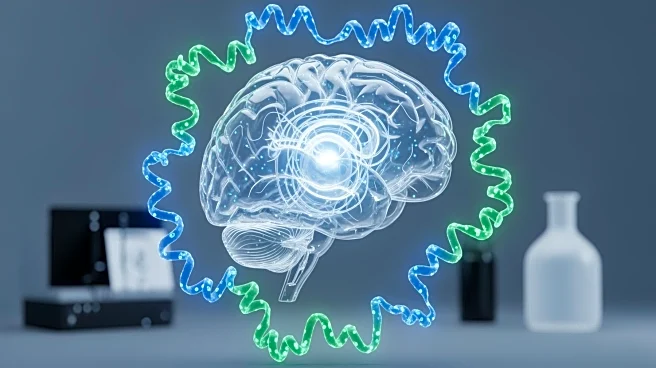
Scientists have developed a highly efficient AI model inspired by monkey neurons, significantly reducing its size while maintaining performance. This model, which mimics the brain's visual system, was compressed from 60 million variables to just 10,000,
making it small enough to be shared via email. The research, conducted by a team including Ben Cowley from Cold Spring Harbor Laboratory, aims to replicate natural brain strategies to improve AI systems. The compact model could help scientists understand brain functions and diseases like Alzheimer's, while also leading to more humanlike AI.
Why It's Important?
This development represents a significant advancement in AI technology, potentially leading to more efficient and humanlike AI systems. By mimicking the brain's natural processes, the model could provide insights into human cognition and neurological diseases. The ability to create compact AI models could reduce the computational power required for AI systems, making them more accessible and sustainable. This could have wide-ranging implications for industries relying on AI, such as healthcare, where AI could be used for diagnostics and treatment planning, and in technology sectors focused on developing smarter, more efficient AI applications.
What's Next?
The research team plans to further refine the AI model, exploring its applications in various fields. The compact nature of the model suggests potential for integration into devices with limited computational resources, such as mobile devices or embedded systems. Future research may focus on expanding the model's capabilities to simulate other brain functions, potentially leading to breakthroughs in understanding complex neurological processes. The findings could also influence the development of AI systems in autonomous vehicles, where efficient processing is crucial for real-time decision-making.