







What's Happening?
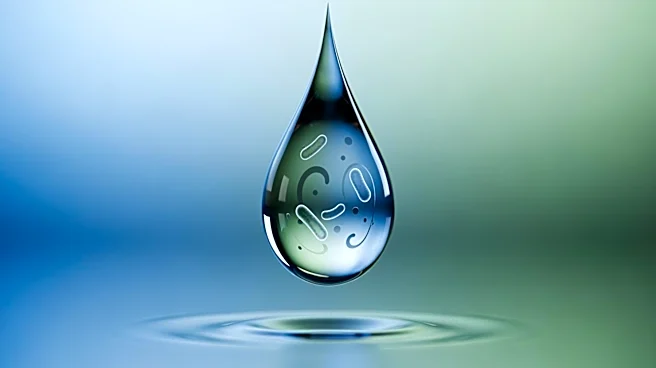
The North Carolina Department of Health and Human Services (NCDHHS) has issued a warning to residents about a significant increase in cases of Legionnaires' disease. This severe form of pneumonia is caused by the Legionella bacterium, which is typically
inhaled from water or soil. The bacterium thrives in wet environments, such as air conditioners, hot tubs, and whirlpools. According to the Mayo Clinic, symptoms of Legionnaires' disease can appear within the first 10 days of exposure and include headache, muscle aches, and high fever. As the disease progresses, symptoms may include a cough that produces mucus or blood, shortness of breath, chest pain, nausea, vomiting, diarrhea, and confusion. The NCDHHS reported that cases of Legionnaires' disease increased by more than 100 between 2024 and 2025.
Why It's Important?
The rise in Legionnaires' disease cases in North Carolina highlights the need for increased public awareness and preventive measures. Legionnaires' disease can be life-threatening, particularly for older adults, smokers, and individuals with weakened immune systems. The increase in cases suggests potential lapses in water system maintenance and disinfection, which are critical in preventing outbreaks. This situation underscores the importance of regular monitoring and cleaning of water systems in both public and private settings. The health department's warning serves as a reminder for individuals and businesses to adhere to guidelines for maintaining water systems, especially in facilities like hotels, hospitals, and recreational centers where the risk of exposure may be higher.
What's Next?
In response to the increase in Legionnaires' disease cases, the NCDHHS is likely to intensify efforts to educate the public on preventive measures. This may include campaigns to promote regular cleaning and maintenance of water systems, as well as guidance on recognizing symptoms early. Health officials may also collaborate with businesses and local governments to ensure compliance with safety standards for water systems. Additionally, individuals at higher risk of contracting the disease may be advised to take extra precautions, such as wearing masks while gardening or avoiding environments with potential exposure to Legionella.