








What's Happening?
The Philippine national government has allocated PHP7.86 billion (approximately $133 million USD) to a disaster response fund to address the impacts of a very strong El Niño phenomenon. This comes as the country is already experiencing significant agricultural
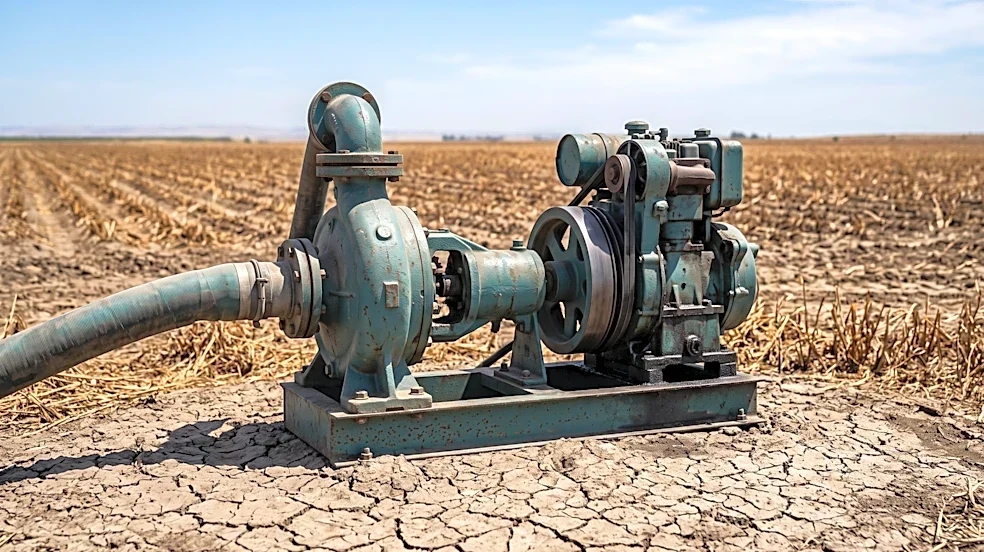
losses, estimated at PHP6.87 billion, affecting around 223,000 farmers and fisherfolk. The government has initiated a comprehensive, whole-of-government approach to manage water and food resources, anticipating the more severe effects of El Niño, which are projected to continue until the first half of 2027. Initial government assistance, totaling approximately PHP76.4 million, has been distributed through various agencies, including the Department of Social Welfare and Development (DSWD) and the Office of Civil Defense (OCD), to affected regions such as Cagayan Valley, Bicol, Calabarzon, and Caraga. The DSWD has provided food, non-food items, and atmospheric water systems, while the Department of Agriculture has supplied resilient seeds and crops. The OCD has also begun early procurement of pumps and desalination systems to bolster potable water and irrigation supplies. Local governments are authorized to utilize up to five percent of their quick reaction funds for additional support.
Why It's Important?
The substantial allocation of funds underscores the Philippine government's recognition of the severe economic and social threats posed by El Niño. The phenomenon's impact on agriculture, with billions in losses and hundreds of thousands of livelihoods affected, highlights the vulnerability of the nation's food security and rural economy to climate-related events. The proactive measures, including the provision of resilient seeds, water systems, and early procurement of essential equipment, are critical for mitigating immediate humanitarian crises and supporting agricultural recovery. This situation also emphasizes the broader challenge faced by countries highly susceptible to natural disasters and climate change, necessitating robust disaster preparedness and response mechanisms. The 'whole-of-government' approach signifies a coordinated effort to address a complex national crisis, aiming to protect vulnerable populations and critical economic sectors from further devastation.
What's Next?
The government will continue to implement its comprehensive response strategy, focusing on water and food management as the El Niño phenomenon persists into 2027. The Office of Civil Defense spokesperson, Vic Tomas, emphasized the ongoing focus on early response measures and proactive engagement. The disaster rehabilitation and reconstruction program, with an additional PHP6.68 billion earmarked for El Niño-affected provinces that have declared a state of calamity, will be crucial for long-term recovery efforts. Public cooperation is also being sought, with calls for water conservation and adherence to official government advisories. The effectiveness of these measures will be continuously monitored, and adjustments will likely be made based on the evolving impacts of El Niño and the needs of affected communities. The inter-agency coordination will remain vital to ensure efficient resource deployment and support for those most impacted.
Beyond the Headlines
The El Niño crisis in the Philippines highlights the disproportionate impact of climate change on developing nations, which often lack the extensive resources to fully buffer their populations and economies from extreme weather events. The reliance on agriculture in many regions makes them particularly vulnerable to shifts in weather patterns, leading to food insecurity, economic displacement, and potential social unrest. This situation also brings to light the importance of international cooperation and climate resilience funding for countries on the front lines of climate change. The long-term implications extend beyond immediate relief, pointing to the need for sustainable agricultural practices, improved water management infrastructure, and diversified livelihoods to build greater resilience against future climate shocks. The government's efforts, while significant, are a testament to the ongoing battle against the escalating challenges posed by a changing global climate.