










What's Happening?
Michigan is experiencing a significant outbreak of cyclosporiasis, an intestinal illness caused by the parasite Cyclospora cayetanensis. The Michigan Department of Health and Human Services (MDHHS) has reported over 300 cases, a substantial increase from
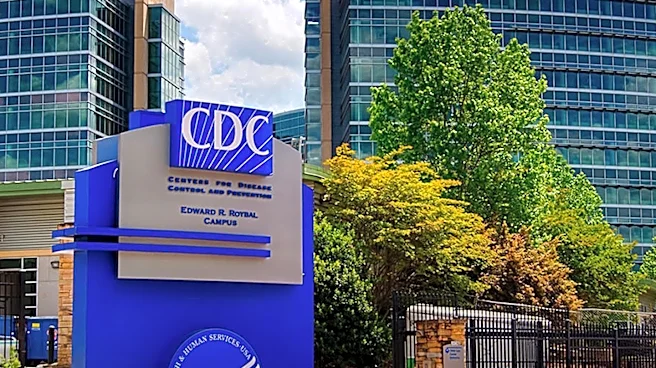
the typical annual count of about 50 cases. The outbreak is concentrated in Southeast and Southern Michigan, with Monroe County reporting the highest number of infections. Other affected areas include Lenawee, Washtenaw, Wayne, Livingston, Shiawassee, and Jackson counties, as well as Detroit. The Centers for Disease Control and Prevention (CDC) has confirmed at least 145 cases nationwide between May 1 and June 16, with 20 hospitalizations. The illness is spread through contaminated food or water, and symptoms include severe diarrhea, nausea, and fatigue. The CDC is working with the U.S. Food and Drug Administration (FDA) and local health agencies to identify the source of the outbreak.
Why It's Important?
The outbreak of cyclosporiasis in Michigan and other states highlights the ongoing challenges in food safety and public health. The rapid increase in cases poses a significant health risk, particularly to vulnerable populations such as older adults. The situation underscores the importance of stringent food safety practices and the need for effective public health responses to prevent further spread. The economic impact could be substantial, affecting local healthcare systems and potentially leading to increased scrutiny and regulation of food supply chains. The outbreak also raises awareness about the importance of hygiene and proper food handling to prevent such illnesses.
What's Next?
Health officials are actively investigating the outbreak to determine its source. The CDC, in collaboration with the FDA and local health departments, is working to trace the origin of the infections, which have been linked to various types of imported fresh produce in past outbreaks. Public health advisories emphasize the importance of washing hands and produce thoroughly. As the investigation continues, more cases may be reported, and additional public health measures could be implemented to control the spread. The outcome of these efforts will be crucial in preventing future outbreaks and ensuring food safety.