






What's Happening?
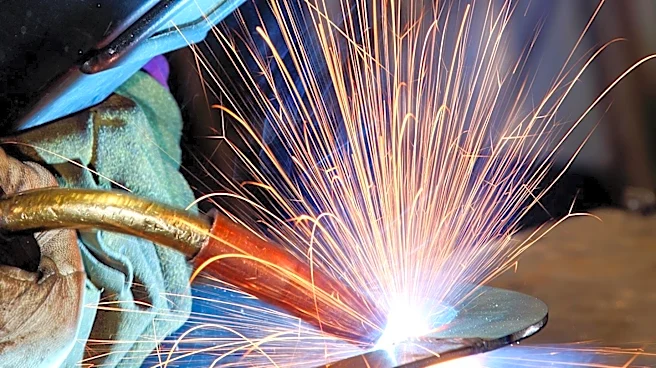
House Speaker Mike Johnson (R-La.) has asserted that American manufacturing is experiencing a boom and that U.S. workers are "WINNING again" due to Republican policies. In a post on X, Johnson credited GOP initiatives for improving economic opportunities,
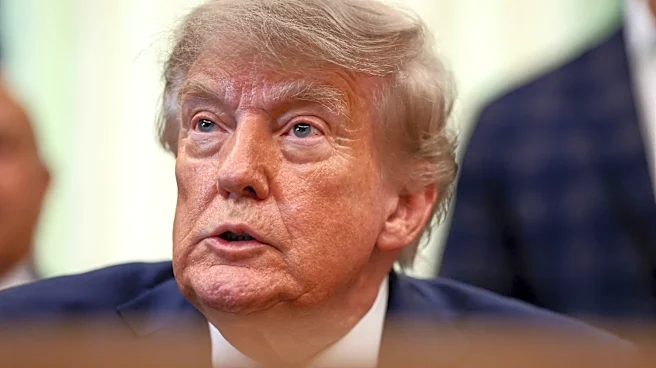
leading to "Bigger paychecks" and "No Tax on Tips or Overtime." He highlighted the addition of "ONE MILLION private-sector jobs" and "TRILLIONS in investment coming into America," describing this trend as a "MADE IN AMERICA comeback." Johnson's remarks align with recent economic data, which shows U.S. manufacturing activity expanding for the eighth consecutive month in August, with the ISM Manufacturing PMI at 54.6%. The National Association of Manufacturers reported that manufacturing contributed $3 trillion annually to the U.S. economy in the first quarter of 2026 and employed nearly 12.6 million workers. Treasury Secretary Scott Bessent also supported this view, attributing a manufacturing revival to President Trump’s "America First" policies, which he claims are boosting construction and factory investment.
Why It's Important?
Speaker Johnson's statements underscore a significant political and economic narrative regarding the impact of Republican policies on the U.S. economy. If the claims of booming manufacturing and substantial job creation hold true, it could bolster the GOP's economic platform and influence public perception ahead of future elections. The emphasis on "Made in America" and increased investment suggests a strategic focus on domestic economic strength and reduced reliance on foreign supply chains, which could have long-term implications for national security and economic resilience. The reported growth in manufacturing and private-sector jobs, if sustained, could lead to higher wages and improved living standards for American workers, potentially shifting economic demographics and consumer spending patterns. However, some economists, like Robin Brooks and Peter Schiff, have expressed concerns about rising Treasury yields and the U.S. budget deficit, suggesting that underlying economic dynamics might be more complex than presented, which could impact future fiscal policy decisions and investor confidence.
What's Next?
The ongoing debate about the true state of the U.S. economy and the effectiveness of current policies is likely to intensify, especially as the next election cycle approaches. Economic indicators, such as manufacturing activity, job growth, and inflation rates, will be closely watched to either validate or challenge Speaker Johnson's assertions. The Republican Party will likely continue to champion these economic trends as evidence of their policies' success, potentially using them as a cornerstone of their campaign messaging. Conversely, critics may focus on other economic factors, such as the budget deficit and inflation expectations, to present a more nuanced or critical view of the economic landscape. Future legislative efforts may also be influenced by these economic narratives, with potential pushes for further tax reforms or investment incentives aimed at sustaining or accelerating the reported manufacturing and job growth. The administration's response to these economic discussions will be crucial in shaping public and market sentiment.
Beyond the Headlines
Beyond the immediate economic figures, Speaker Johnson's emphasis on a "MADE IN AMERICA comeback" taps into a broader cultural and nationalistic sentiment. This narrative not only aims to highlight economic prosperity but also to foster a sense of national pride and self-reliance. The focus on domestic manufacturing can have profound implications for global trade relations, potentially leading to increased protectionist policies or renegotiations of existing trade agreements. Ethically, the discussion around job creation and wage growth raises questions about equitable distribution of economic benefits and whether all segments of the American workforce are experiencing the same level of improvement. The long-term shift towards domestic production could also impact environmental policies, as increased manufacturing activity might lead to greater energy consumption and emissions, necessitating careful regulatory oversight. This economic discourse is deeply intertwined with national identity and the future direction of U.S. economic policy on both domestic and international fronts.