
What's Happening?
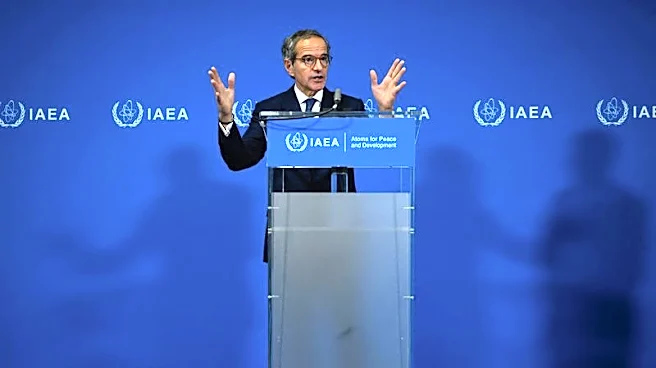
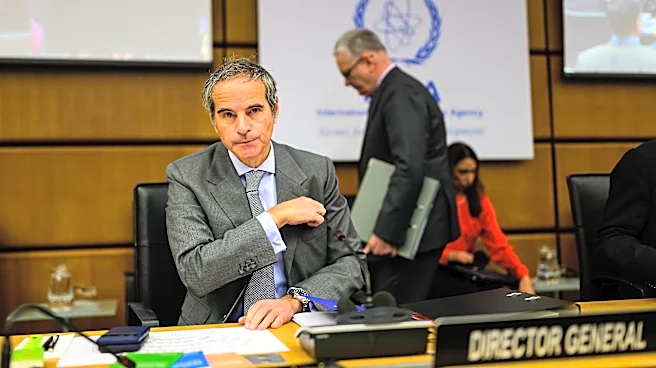
International Atomic Energy Agency (IAEA) Director General Rafael Grossi has urged a return to diplomacy and negotiations concerning Iran's nuclear program. Grossi highlighted that the IAEA is currently
unable to conduct essential verification activities at most of Iran's declared nuclear facilities, with the exception of the Bushehr nuclear power plant. He reported that the agency has received no information from Iran regarding the status of its declared nuclear material and facilities. Furthermore, Grossi warned that the IAEA has lost continuity of knowledge regarding previously declared uranium inventories enriched to levels of up to 60% following military attacks in June 2025. Without access and updated information, the IAEA cannot determine if declared nuclear material has been diverted from peaceful activities. Grossi encouraged Tehran to consider gradual technical measures to allow inspectors to return, which could foster confidence and lead to a broader agreement.
Why It's Important?
The IAEA's inability to verify Iran's nuclear activities poses a significant challenge to international non-proliferation efforts and global security. The loss of 'continuity of knowledge' regarding enriched uranium inventories means the international community cannot be certain about the peaceful nature of Iran's nuclear program, raising concerns about potential diversion for weapons purposes. This situation undermines the credibility of the Nuclear Non-Proliferation Treaty and increases the risk of regional instability. The call for renewed diplomacy underscores the urgency of finding a political solution to prevent further escalation and ensure transparency. The lack of cooperation from Iran directly impacts the ability of the IAEA to fulfill its mandate, making it difficult to build trust and achieve a comprehensive agreement that addresses international concerns.
What's Next?
The immediate next steps involve continued diplomatic efforts to persuade Iran to cooperate with the IAEA and allow full access for verification. Grossi's suggestion of 'gradual, technical, incremental steps' indicates a pathway for Iran to re-engage with the agency and rebuild confidence. However, the success of these efforts depends on Iran's willingness to comply and the political will of international actors to facilitate negotiations. Without a return to diplomacy and verification, the international community may face increasing pressure to consider alternative measures to address Iran's nuclear program. The situation could lead to further sanctions, increased regional tensions, or a more concerted international effort to isolate Iran, impacting its economy and its relations with other nations.
Beyond the Headlines
The ongoing standoff highlights the broader challenges of nuclear non-proliferation in a complex geopolitical landscape. The erosion of trust between Iran and the international community, particularly the US, makes diplomatic solutions increasingly difficult. The situation also raises questions about the effectiveness of international oversight bodies like the IAEA when faced with non-compliant states. The potential for a state to develop nuclear weapons clandestinely, as suggested by the IAEA's lack of knowledge, could inspire other nations to pursue similar paths, leading to a dangerous proliferation cascade. This scenario could fundamentally alter global power dynamics and increase the risk of nuclear conflict, making the resolution of Iran's nuclear program a critical test case for the future of international arms control.