



What's Happening?
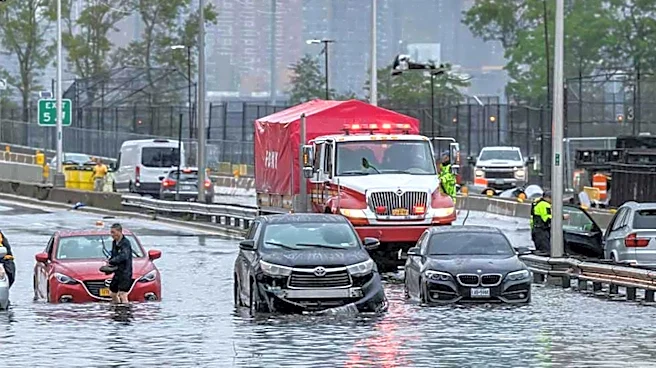
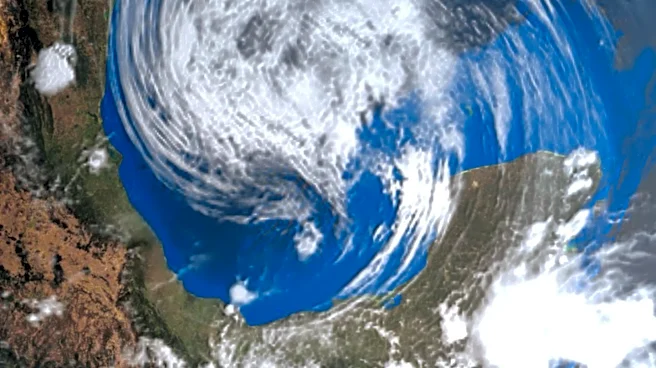
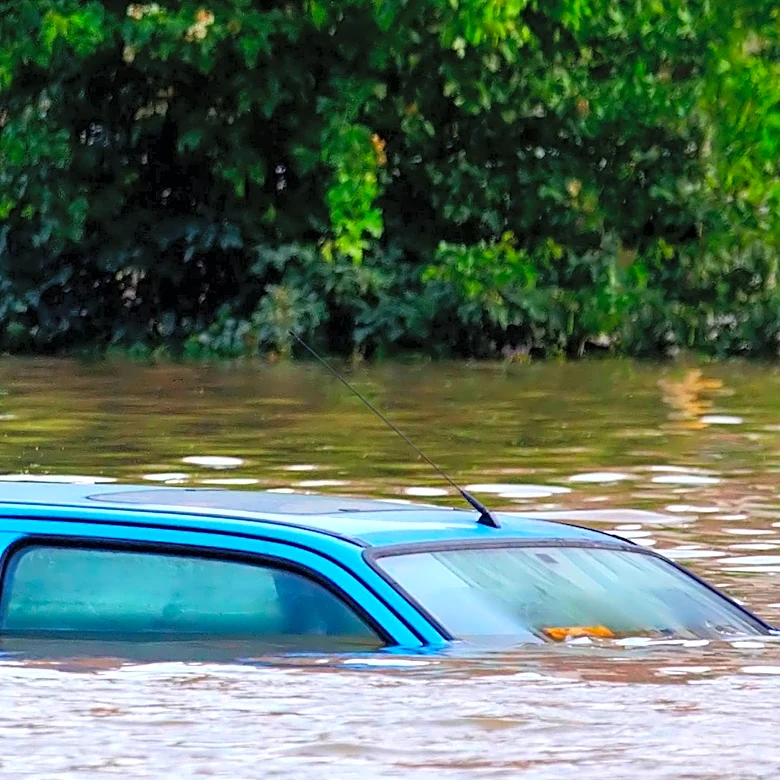
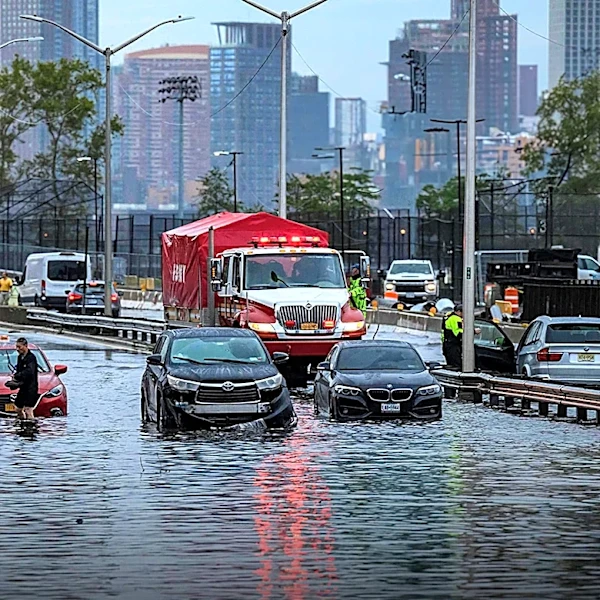
Houston has faced significant flooding from 24 storms since 2008, including 14 tropical and 10 non-tropical events. Notable tropical storms include Ike, Harvey, Imelda, Nicholas, and Beryl, while non-tropical events like the Memorial Day and Tax Day floods
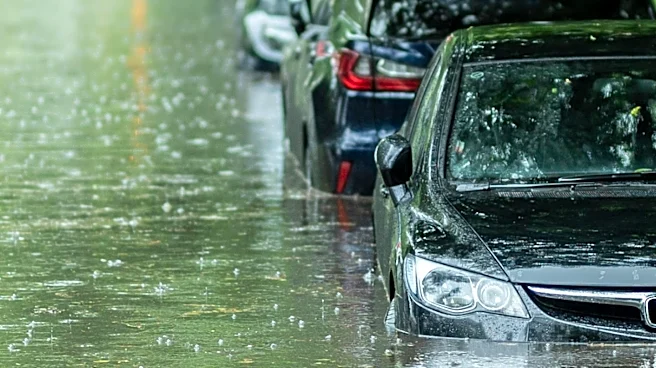
have also caused widespread damage. Flooding in Houston is not solely a hurricane problem but a broader issue of heavy rainfall and drainage. The city can experience floods in almost any month, not just during hurricane season, underscoring the need for continuous flood preparedness and drainage maintenance. Ordinary thunderstorms can escalate into major disasters, as demonstrated by stalled lines of thunderstorms that have flooded thousands of structures. Floods tend to cluster rather than occur at predictable intervals, challenging the notion of '100-year floods.' Rainfall intensity, location, and timing often play a more critical role than regional totals, with upstream rainfall in counties like Montgomery, Liberty, and Waller capable of causing riverine flooding in Houston. Different mechanisms, such as street flooding, bayou/river overflow, reservoir flooding, storm surge, and runoff from adjacent development, contribute to the diverse nature of flooding events.
Why It's Important?
The persistent and varied nature of flooding in Houston has significant implications for residents, infrastructure, and the local economy. The fact that floods can occur year-round and from non-tropical storms means that the threat is constant, requiring continuous investment in mitigation and preparedness. The clustering of flood events, rather than orderly intervals, challenges traditional risk assessment models and insurance frameworks, potentially leading to underestimation of risk and inadequate coverage for homeowners and businesses. The diverse mechanisms of flooding indicate that no single project or agency can fully address the problem, necessitating a multi-faceted and coordinated approach. Development decisions are also highlighted as a critical factor, as they can transform localized storms into widespread disasters, impacting property values, business continuity, and public safety. The ongoing vulnerability to flooding affects urban planning, emergency response, and the long-term resilience of one of the largest metropolitan areas in the U.S., influencing everything from housing markets to the cost of doing business in the region.
What's Next?
To address Houston's ongoing flooding challenges, the region requires coordinated watershed governance, conservative development standards, and adequate detention facilities. There is a clear need for improved drainage maintenance and updated rainfall assumptions to better reflect current climate patterns. Floodplain preservation is crucial to naturally manage water flow and reduce the impact of heavy rains. Enhanced warning systems are necessary to provide timely alerts to residents and businesses, allowing for better preparation and evacuation. Additionally, projects designed around cumulative river basin behavior are essential to manage water across the entire watershed effectively. Stakeholders, including local government, urban planners, and community groups, will likely need to collaborate on these initiatives. The absence of recent catastrophic floods does not indicate that the system is fixed, meaning continuous efforts and investments are required to prevent future disasters and protect the community.
Beyond the Headlines
The recurring flooding in Houston exposes deeper issues related to urban development, environmental policy, and community resilience in the face of changing weather patterns. The emphasis on development decisions converting localized storms into neighborhood disasters points to a critical tension between economic growth and sustainable urban planning. This situation raises ethical questions about who bears the cost of such disasters and how equitable flood protection measures are distributed across different communities. The fragmented regional system, with various flood mechanisms and agencies, highlights the complexities of governance and the challenges of implementing comprehensive solutions. Culturally, the constant threat of flooding can lead to 'flood fatigue' among residents, impacting mental health and community cohesion. The long-term shifts triggered by these events include potential population migration from high-risk areas, increased demand for climate-resilient infrastructure, and a re-evaluation of how cities adapt to and mitigate the impacts of extreme weather events in a changing climate.