




What's Happening?
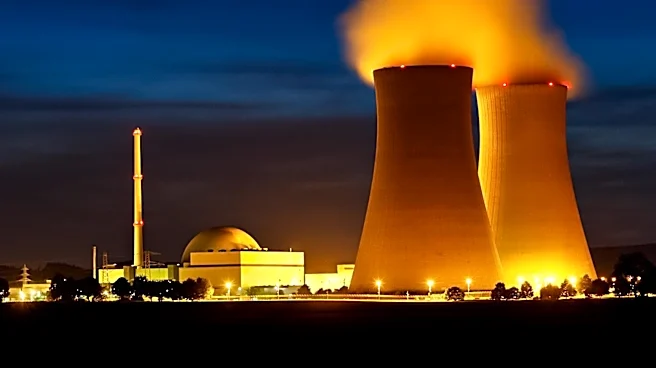
Saskatchewan, Canada, has announced an ambitious goal to generate at least 2,600 megawatts of nuclear power by 2050. This plan, titled 'Delivering Energy Security Through Nuclear Power,' directs the provincial utility SaskPower to begin planning for the potential
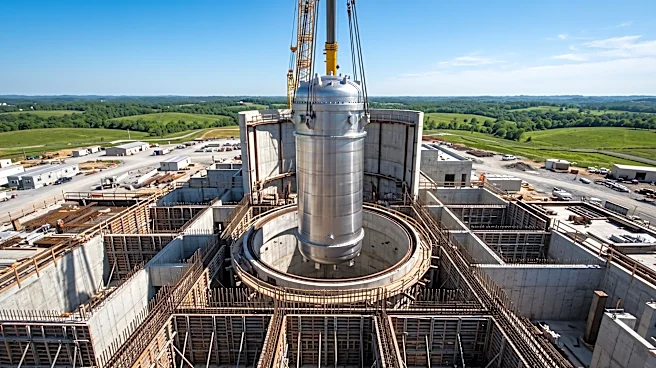
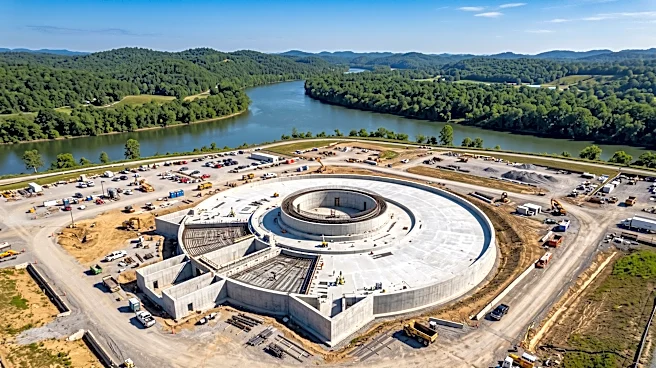
development of two large nuclear reactors in the province's northwest, with the first expected online by 2042. Additionally, SaskPower will continue planning for small modular reactor (SMR) deployment near Estevan, aiming for at least 600 megawatts. Currently, Saskatchewan does not generate nuclear power, despite being home to some of the world's richest uranium deposits. Premier Scott Moe emphasized that this initiative is a response to rising electricity demand, projecting that the province will likely need all this power and potentially more. The government's announcement focuses on planning for potential development rather than a final decision to build, with site evaluations and community engagement still pending.
Why It's Important?
This development in Saskatchewan holds significant implications for the U.S. nuclear industry and energy landscape. As a major uranium producer, Saskatchewan's move into nuclear power generation could strengthen North American energy independence and supply chain resilience. U.S. utilities are also considering new reactors and SMR designs, with the Tennessee Valley Authority having applied to the U.S. Nuclear Regulatory Commission to build a BWRX-300, the same technology SaskPower is considering. Increased nuclear capacity in a neighboring country could provide a stable, low-carbon energy source that complements U.S. efforts to decarbonize its grid. Furthermore, the plan could stimulate cross-border collaboration in nuclear technology, research, and regulatory frameworks. For U.S. companies involved in nuclear reactor design, construction, or fuel services, Saskatchewan's expansion represents a potential market opportunity and a validation of nuclear power's role in future energy mixes.
What's Next?
The immediate next steps for Saskatchewan involve SaskPower evaluating potential locations for the large reactors, engaging with local communities and Indigenous peoples, and making a final investment decision for the small modular reactor project, expected before 2030. The province has not yet chosen a design for the large reactors, with vendors like Westinghouse Canada and AtkinsRéalis (marketing CANDU technology) competing. Cost estimates are also pending, with the province planning to seek financing from federal institutions and potentially private capital. All proposed reactors will require licensing from the Canadian Nuclear Safety Commission. The timeline for the first large reactor to come online is 2042, meaning the next several years will be dominated by site studies, technology selection, and financing discussions rather than construction. This long-term plan will span multiple provincial election cycles, allowing for potential shifts in government policy.
Beyond the Headlines
Saskatchewan's nuclear power initiative reflects a broader trend across North America where utilities are reconsidering nuclear power to meet rising demand from industry, population growth, and electrification. This shift highlights the growing recognition of nuclear energy as a reliable, low-carbon baseload power source crucial for climate goals. However, the plan also brings to the forefront challenges such as long-term waste management, water usage, and the need for genuine community consent, particularly from Indigenous populations. The success of this project could serve as a model or cautionary tale for other regions, including parts of the U.S., contemplating similar large-scale nuclear investments. The integration of nuclear power into Saskatchewan's existing energy mix, which includes coal, natural gas, wind, solar, and hydro, will also provide valuable insights into managing a diverse and decarbonizing grid.