









What's Happening?
The U.S. Department of Agriculture (USDA) has announced the second cohort of fiscal year 2026 Patrick Leahy Farm to School Grants, marking the largest single-year financial investment in the program's history. Nearly $20 million has been awarded to 68
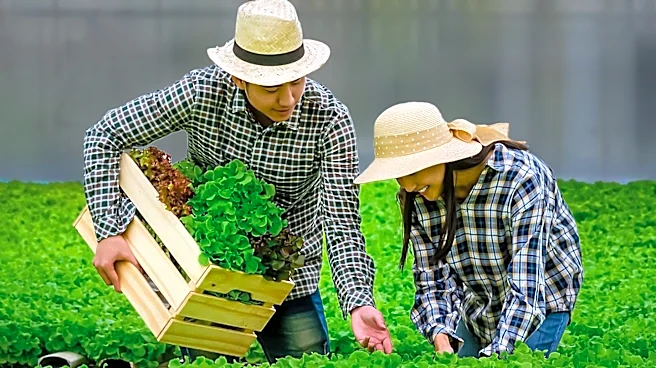
projects aimed at integrating local foods into school meals, summer meals, and childcare settings. This initiative is part of a broader effort to connect children with the sources of their food through local procurement, education, taste tests, school gardens, and field trips. Notable projects include the Jefferson County School District in Mississippi, which will transform underutilized greenhouses into hydroponic systems for growing vegetables and herbs for school meals. Additionally, the WSBZ Farm to School Implementation Project in Arkansas will incorporate locally grown specialty crops into school menus, enhancing nutrition and agricultural literacy among students.
Why It's Important?
This significant investment by the USDA underscores the importance of farm to school programs in promoting healthier eating habits among children and supporting local agriculture. By increasing the availability of fresh, locally sourced foods in school nutrition programs, the initiative aims to improve children's health outcomes and foster a deeper understanding of agriculture. The program also provides economic benefits to local farmers by creating dependable markets for their produce. This approach not only strengthens local economies but also encourages sustainable agricultural practices. The USDA's commitment to these programs reflects a strategic effort to place American agriculture at the forefront of national nutrition policies, with long-term benefits for public health and the agricultural sector.
What's Next?
As these projects are implemented, schools and local communities are expected to see immediate improvements in student nutrition and educational outcomes. The success of these initiatives could lead to further expansion of farm to school programs across the country. Stakeholders, including educators, farmers, and policymakers, will likely monitor the impact of these grants closely to assess their effectiveness and potential for replication. The USDA may continue to refine and expand the program based on feedback and results, potentially increasing funding and support for similar initiatives in the future.