

What's Happening?
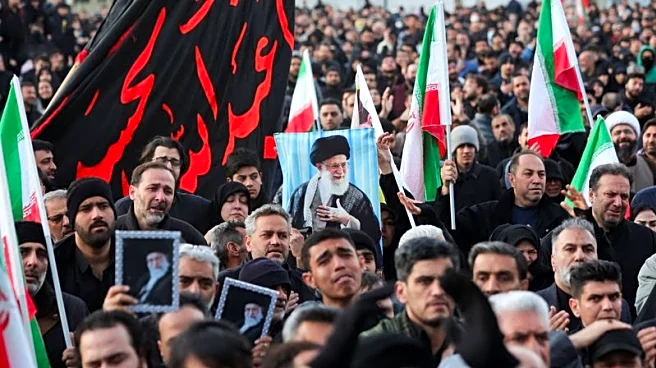
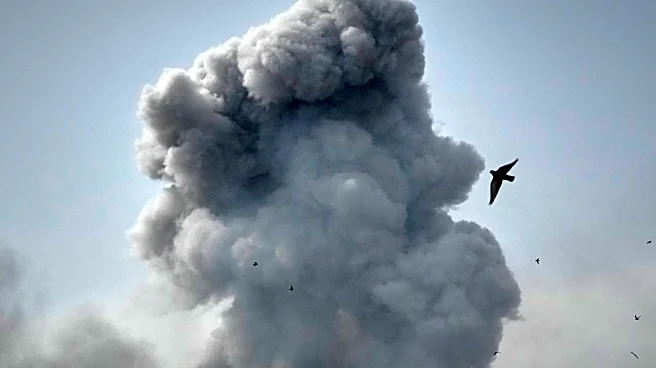
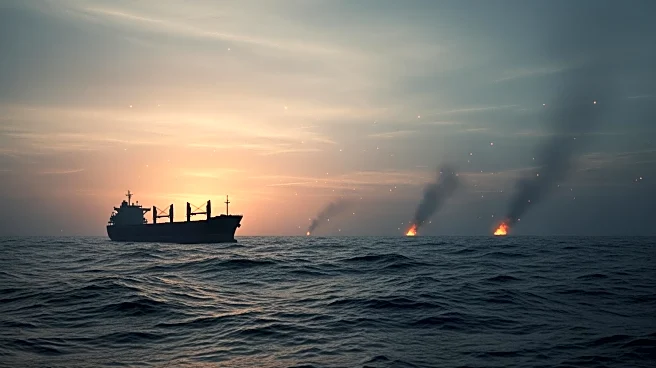
Iran's Revolutionary Guards have announced the closure of the Strait of Hormuz, a critical maritime chokepoint, following the killing of Supreme Leader Ayatollah Ali Khamenei in an Israeli strike. The closure is a significant escalation in regional tensions
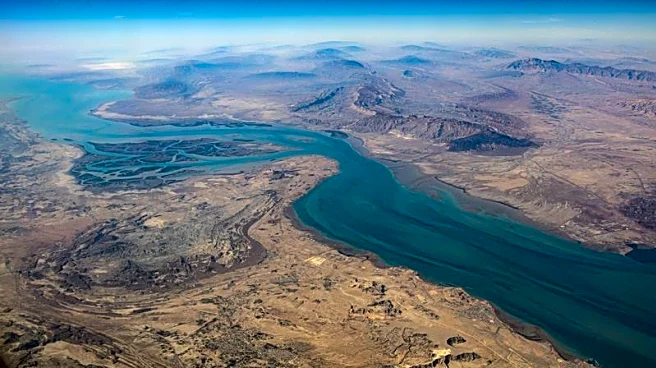
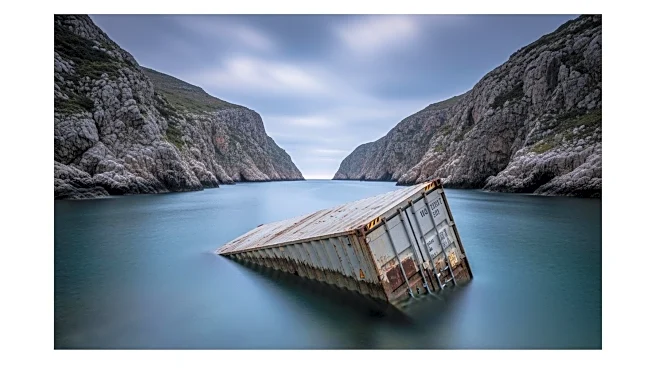
and poses a threat to global energy and shipping markets. The Strait of Hormuz is vital for global oil consumption, handling about one-fifth of the world's oil and a third of seaborne crude trade. The closure has already resulted in a backlog of approximately 750 vessels, including 10% of the global container fleet, as reported by Jeremy Nixon, CEO of Ocean Network Express. This move by Iran is seen as a response to military pressures and has heightened fears of a broader regional conflict affecting international sea lanes.
Why It's Important?
The closure of the Strait of Hormuz by Iran's Revolutionary Guards is a critical development with far-reaching implications for global energy and shipping markets. As a major conduit for oil and liquefied natural gas, any prolonged disruption could lead to significant increases in crude prices, freight, and insurance costs. The situation underscores the vulnerability of global supply chains to geopolitical tensions, particularly in regions with strategic maritime chokepoints. The escalation following the death of Ayatollah Khamenei could lead to broader regional conflicts, impacting international trade and energy security. Stakeholders in the shipping and energy sectors are likely to face increased operational challenges and financial risks as they navigate the unfolding crisis.
What's Next?
The international community is expected to closely monitor the situation in the Strait of Hormuz, with potential diplomatic efforts to de-escalate tensions and reopen the waterway. Shipping companies and energy traders will need to assess alternative routes and strategies to mitigate the impact of the closure. Governments, particularly those reliant on oil imports through the strait, may engage in diplomatic negotiations to ensure the security of energy supplies. The situation could also prompt discussions on the need for increased security measures and contingency planning in global shipping routes. The response from major powers, including the United States and European nations, will be crucial in determining the next steps in addressing the crisis.