
What's Happening?
The Trump administration has redirected the Justice Department’s Civil Rights Division to prioritize voter fraud in its election monitoring efforts for the upcoming midterm elections. Traditionally, this division has focused on protecting voters from
discrimination based on race, disability, or language. This new directive expands their mandate to include investigations into voter fraud. This shift marks a significant change in the unit's long-standing role, which has historically been centered on ensuring equitable access to voting for marginalized groups. The administration is asking Civil Rights Division employees to participate in this broader monitoring initiative, indicating a comprehensive approach to addressing perceived irregularities in the electoral process. This move comes amidst ongoing debates about election integrity and the balance between preventing fraud and ensuring voter access.
Why It's Important?
This reorientation of the Civil Rights Division's focus is significant because it could alter the landscape of election oversight in the U.S. By emphasizing voter fraud, the administration may shift resources and attention away from traditional civil rights protections at polling places. This could potentially impact the voting experience for minority groups and individuals with disabilities, who have historically relied on federal monitors to safeguard their rights against discriminatory practices. Critics argue that an increased focus on voter fraud, which is statistically rare, could lead to voter suppression tactics or create unnecessary barriers to voting. Conversely, proponents argue that such measures are essential for maintaining public confidence in election outcomes and ensuring the integrity of the democratic process. The change could also signal a broader strategy by the administration to address concerns about election security.
What's Next?
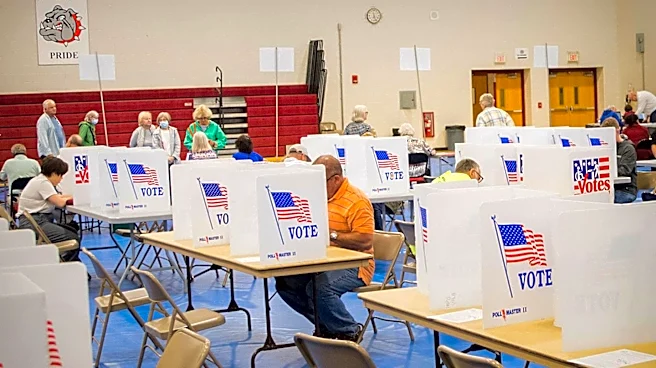
As the midterm elections approach, the Justice Department's Civil Rights Division will likely deploy monitors with this new dual focus on both voter protection and fraud detection. This could lead to increased scrutiny at polling places, potentially resulting in more challenges to voter eligibility or investigations into alleged fraudulent activities. Civil rights organizations and advocacy groups are expected to closely monitor these developments, potentially filing legal challenges if they perceive that the new directives lead to voter disenfranchisement. States may also react by adjusting their own election procedures or by engaging in legal battles with the federal government over the scope of election monitoring. The outcome of these midterm elections, and any subsequent legal challenges, could further shape the role of federal oversight in future U.S. elections.
Beyond the Headlines
The shift in the Civil Rights Division's mandate reflects a deeper ideological debate within U.S. politics regarding the balance between election access and election security. This move could be seen as part of a broader effort to redefine the role of federal agencies in safeguarding democratic processes, potentially prioritizing certain aspects of election integrity over others. It also highlights ongoing tensions between federal and state authorities concerning election administration. The long-term implications could include a re-evaluation of the Civil Rights Division's mission, potentially leading to lasting changes in how federal resources are allocated for election oversight. This development may also contribute to a more polarized discussion around voting rights, with differing interpretations of what constitutes a fair and secure election.