



What's Happening?
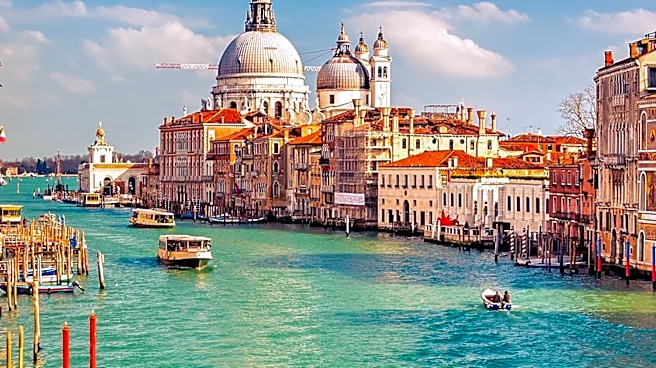
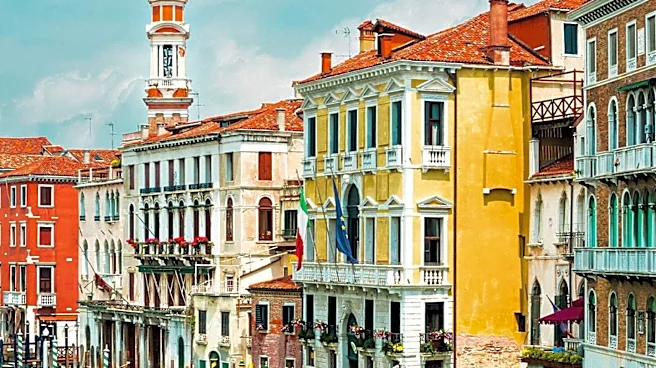
Venice, Italy, is a unique city characterized by its absence of cars, replaced by a network of canals, boats, and narrow walkways. The city's rhythm encourages visitors to slow down and appreciate its intricate details. Key landmarks include Piazza San
Marco, home to St. Mark's Basilica and the Doge's Palace, both showcasing ancient and luxurious architecture. Wandering through the alleys often leads to smaller canals, stone bridges, and quiet squares. The Grand Canal serves as the city's main artery, offering scenic views from vaporetto boats or traditional gondolas. Evening brings a different charm as lights reflect on the water, creating a tranquil atmosphere. Culinary experiences include cicchetti, small Venetian snacks, and fresh seafood and pasta dishes found in restaurants away from the main tourist areas. The city's appeal lies in its ability to immerse visitors in its distinct environment, encouraging exploration without a rigid itinerary.
Why It's Important?
Venice's unique urban structure, built on water, presents a significant case study in urban planning and sustainable tourism, particularly as it grapples with the impacts of climate change and over-tourism. Its reliance on water transportation and pedestrian movement offers insights into alternative urban models, contrasting sharply with car-centric cities. The preservation of its historic architecture and cultural heritage, including landmarks like St. Mark's Basilica and the Doge's Palace, highlights the challenges and importance of maintaining ancient sites in a modern world. The city's economic reliance on tourism, driven by its romantic atmosphere and cultural significance, underscores the delicate balance between visitor experience and local quality of life. Understanding Venice's dynamics can inform discussions on urban resilience, cultural preservation, and the future of travel in historically sensitive environments.
What's Next?
Visitors to Venice can anticipate continued efforts by local authorities to manage tourism flows and preserve the city's delicate infrastructure. Future initiatives may include stricter regulations on tourist activities, such as gondola rides and boat tours, to ensure sustainability and minimize environmental impact. The city will likely continue to promote its diverse culinary scene, encouraging exploration of local eateries beyond the main squares. Travelers can also expect ongoing discussions and potential policy changes regarding the balance between tourism and the needs of local residents, particularly concerning housing and infrastructure. Efforts to mitigate the effects of rising sea levels and climate change on the city's foundations will remain a critical focus, potentially leading to new engineering projects and conservation strategies.
Beyond the Headlines
Beyond its picturesque canals and historic buildings, Venice embodies a profound cultural and historical narrative as a former major trade hub. Its unique architectural style, a blend of Byzantine, Gothic, and Renaissance influences, reflects centuries of diverse cultural exchange. The city's ongoing struggle with environmental challenges, such as acqua alta (high water) and the impact of cruise ships, raises ethical questions about human interaction with fragile ecosystems and the responsibility of global tourism. The concept of 'getting lost' in Venice, as described, speaks to a deeper philosophical idea of embracing serendipity and slowing down in an increasingly fast-paced world. This encourages a more mindful approach to travel, where the journey and unexpected discoveries are as valuable as the planned destinations, fostering a deeper connection with the place and its history.