





What's Happening?
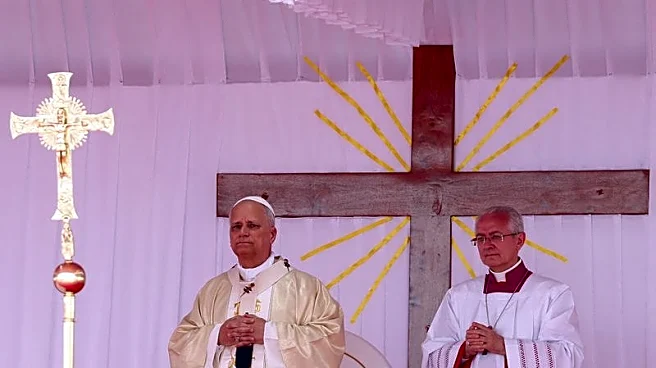
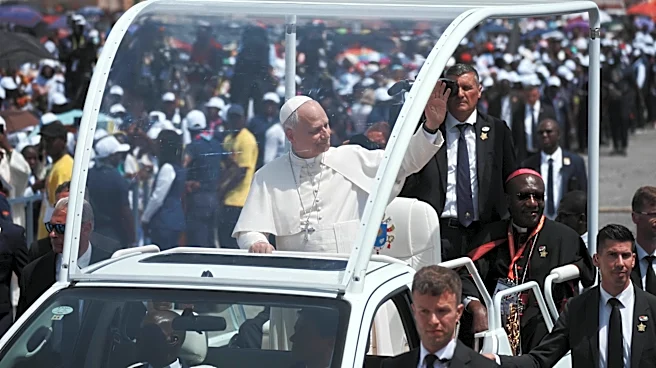
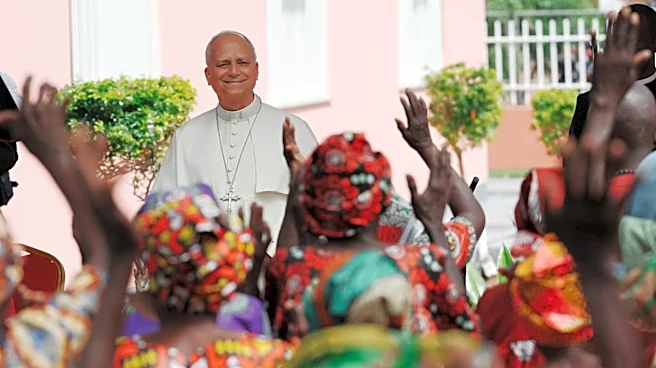
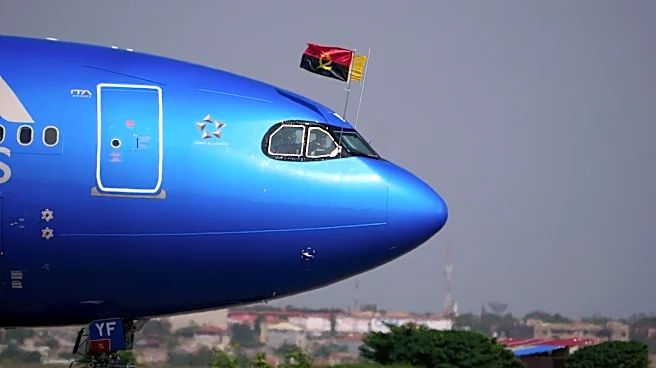
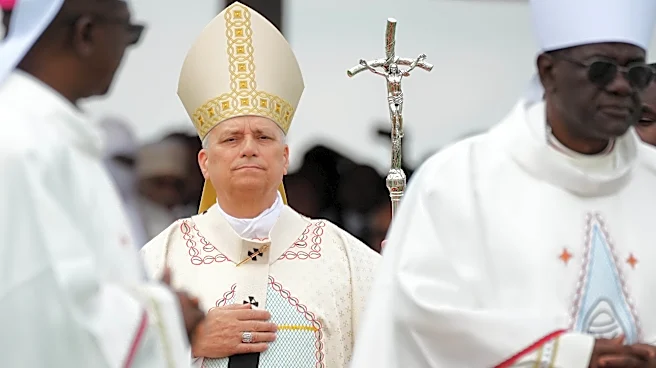
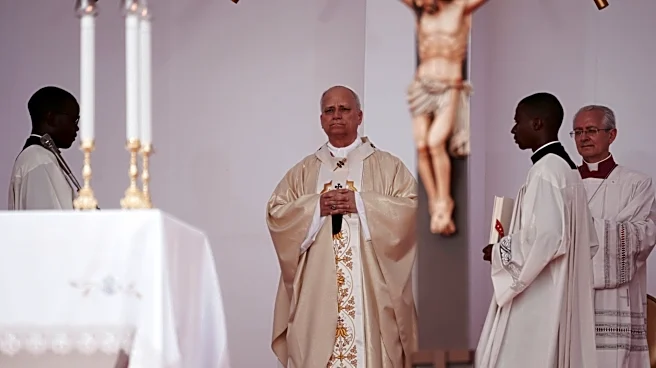
Pope Leo XIV is concluding his four-nation African tour with a visit to Equatorial Guinea, a country led by President Teodoro Obiang Nguema Mbasogo, Africa's longest-serving leader. Obiang, in power since 1979, has been accused of corruption and authoritarianism.
Despite the country's oil wealth, a significant portion of the population lives in poverty, with revenues reportedly benefiting the ruling family. The Pope's visit is seen as diplomatically sensitive, given the Catholic Church's significant influence in the country and its stance against social inequity and corruption. During his visit, Pope Leo is expected to address these issues, as he did in Cameroon, where he spoke against corruption alongside President Paul Biya.
Why It's Important?
The Pope's visit to Equatorial Guinea is significant as it highlights the Catholic Church's role in advocating for social justice and human rights in regions with authoritarian regimes. The visit could draw international attention to the country's governance issues, potentially pressuring the government to implement reforms. The Catholic Church's influence in Equatorial Guinea, where 75% of the population is Catholic, positions it as a critical voice for change. The Pope's messages may inspire local and international efforts to address corruption and improve living conditions for the population.
What's Next?
Pope Leo XIV's visit includes meetings with government officials, speeches at the national university, and visits to a psychiatric hospital and a prison. He will also pray at a memorial for victims of a 2021 explosion in Bata. The visit may lead to increased scrutiny of Equatorial Guinea's governance and human rights record. The government might use the visit to signal international legitimacy, but the Pope's presence could also empower local activists and civil society groups to push for reforms.
Beyond the Headlines
The Pope's visit underscores the complex relationship between the Catholic Church and authoritarian governments. While the Church seeks to promote justice and human dignity, it must navigate its ties with regimes that may use religious endorsement to bolster their legitimacy. The visit could also influence the Church's future engagement in similar contexts, balancing its mission with diplomatic considerations.