






What's Happening?
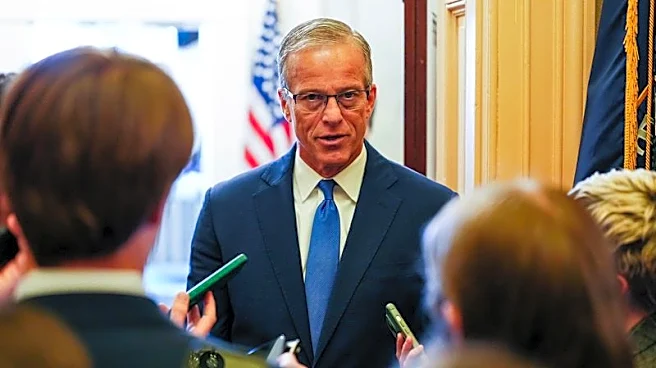
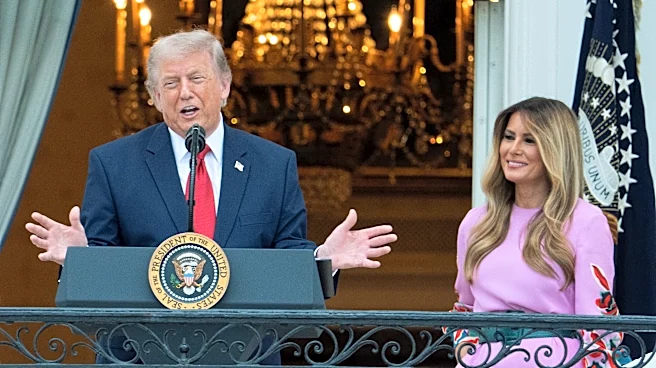
In a rare display of defiance, Republican senators have pushed back against President Trump's demands, particularly his proposal for a $1.776 billion fund intended for individuals he believes were wrongly prosecuted, including those involved in the January
6 Capitol riot. This resistance has led to the postponement of a crucial vote on a $70 billion budget package that would support Trump's immigration and deportation initiatives. The Senate's decision to delay the vote until after Congress reconvenes next month has disrupted Trump's timeline, as he aimed to have the budget on his desk by June 1. This development follows a series of political maneuvers by Trump, including his influence in recent midterm primary elections where he endorsed challengers against incumbent Republicans.
Why It's Important?
The Senate's refusal to comply with President Trump's demands marks a significant moment in U.S. politics, highlighting growing tensions within the Republican Party. This defiance could signal a shift in the party's dynamics, as some members are increasingly willing to challenge Trump's influence. The postponed budget vote also underscores the potential for legislative gridlock, which could impact Trump's policy agenda, particularly his immigration plans. Additionally, the internal party conflict may affect the GOP's strategy and unity heading into upcoming general elections, potentially weakening their position against Democrats.
What's Next?
As Congress prepares to reconvene, the postponed budget vote will be a critical issue to address. The outcome will depend on whether Republican senators continue to resist or if compromises are reached. The internal party dynamics will likely influence future legislative negotiations and the GOP's ability to present a unified front. Furthermore, Trump's continued endorsement of candidates in primary elections could reshape the party's composition, affecting its legislative priorities and strategies.