





What's Happening?
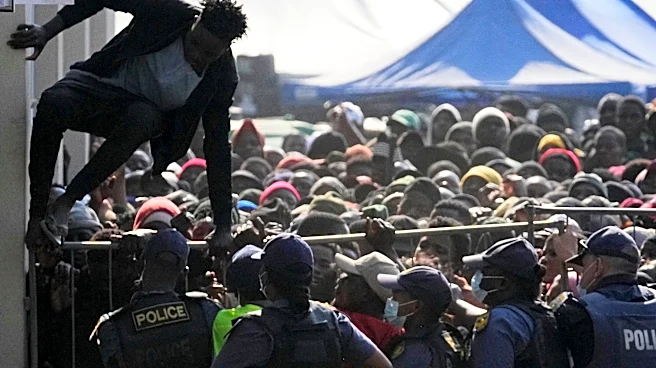
President Cyril Ramaphosa has officially declared Wednesday, November 4, 2026, a public holiday in South Africa. This decision is to facilitate widespread participation in the upcoming Local Government Elections. The work-free day is intended to provide
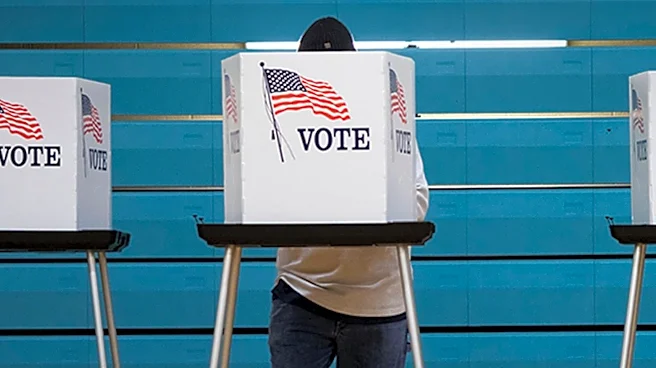
all eligible voters with the necessary time and opportunity to cast their ballots without the impediment of work commitments. Electoral authorities are actively encouraging all registered voters to locate their designated voting stations in advance and make plans to participate on election day. The elections are crucial as they will determine the local governance across the country, directly influencing decisions related to service delivery, infrastructure development, and community development at the municipal level. This declaration underscores the government's emphasis on broad voter participation in shaping local communities.
Why It's Important?
The declaration of a public holiday for local elections highlights the significance placed on democratic participation at the grassroots level. By removing work-related barriers, the government aims to increase voter turnout, ensuring that a wider range of voices contributes to the selection of local leaders. This is particularly important given that local government decisions directly impact daily life, from water and sanitation services to road maintenance and public safety. Higher participation can lead to more representative local councils and mayors, potentially fostering greater accountability and responsiveness to community needs. It also reinforces the democratic principle that every citizen has a right and responsibility to influence the governance of their immediate environment, thereby strengthening local democracy and civic engagement.
What's Next?
With the public holiday declared, the focus will shift to voter mobilization and ensuring the smooth conduct of the elections on November 4, 2026. Electoral authorities will continue to urge registered voters to prepare for the day, including verifying their registration details and identifying their voting stations. Political parties will intensify their campaigns in the final days leading up to the elections, aiming to persuade undecided voters and encourage their supporters to turn out. The outcome of these elections will determine the composition of municipal councils and mayoral leadership across South Africa, setting the agenda for local service delivery and development for the coming term. The post-election period will involve the formation of new local governments and the implementation of their respective mandates.
Beyond the Headlines
The decision to declare a public holiday for local elections reflects a broader commitment to democratic inclusivity, acknowledging that practical barriers can hinder civic participation. This move could set a precedent or reinforce the practice of prioritizing electoral access, potentially influencing future election planning. Beyond the immediate impact on voter turnout, it also subtly communicates the government's view on the importance of local governance as a cornerstone of national stability and development. The success of this initiative in boosting participation will be closely watched, as it could inform strategies for engaging citizens in other democratic processes. It also provides a moment for national reflection on the state of local democracy and the challenges communities face in holding their elected representatives accountable.